
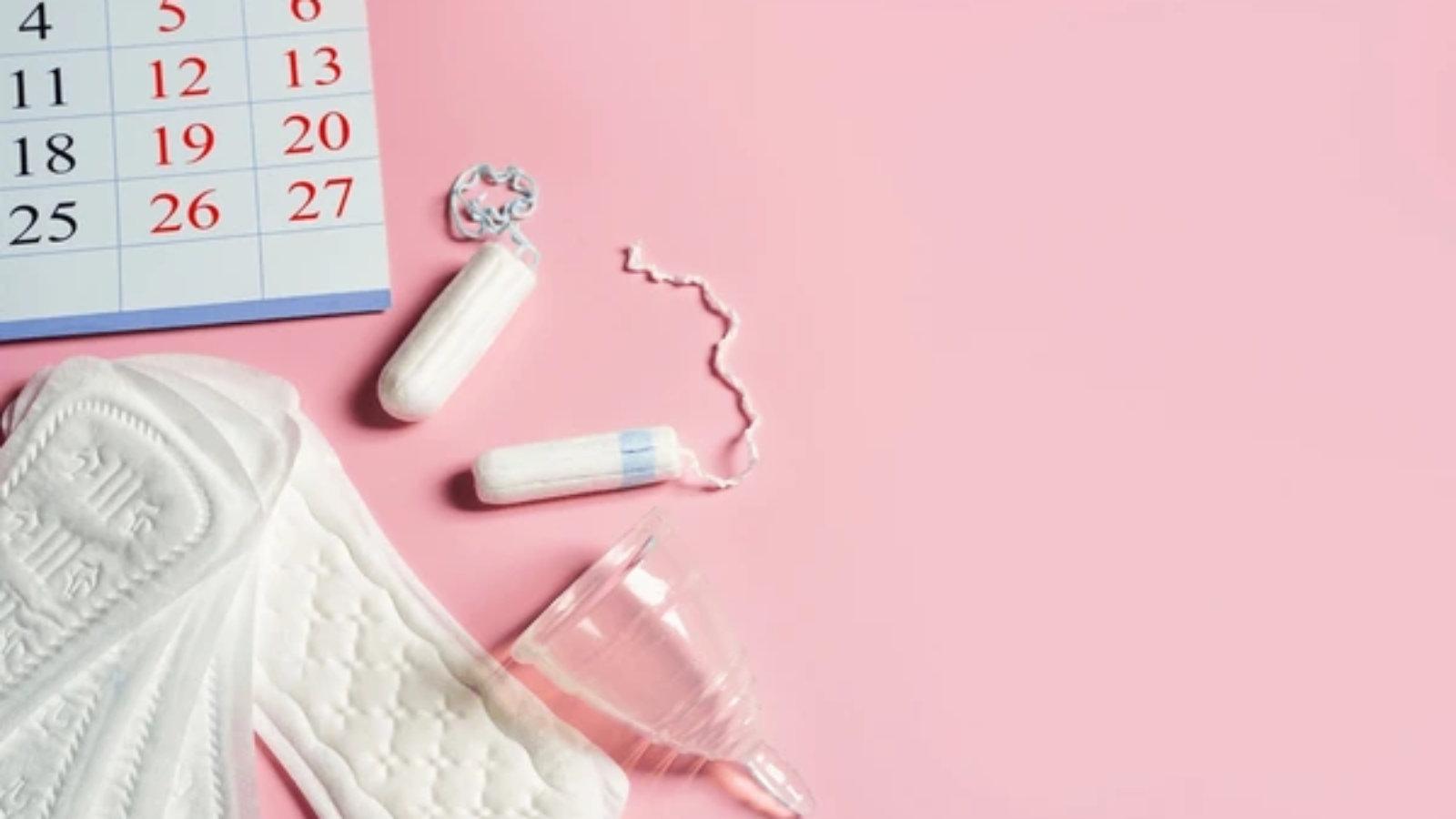
Women’s Intimate Hygiene – The Right Way to Wash & Clean Your Vagina
Proper intimate hygiene is an important part of every woman’s overall health and comfort. The intimate area is delicate and sensitive, which means it needs gentle care and proper cleaning habits to stay healthy. Many women often feel confused about how to wash the vaginal area correctly, which products are safe to use, and what practices should be avoided.
Using harsh soaps, excessive washing, or strongly fragranced products may disturb the vagina’s natural protective environment. This can lead to irritation, itching, dryness, unpleasant odor, or infections.
At LaBella Cosgyn Chandigarh, Dr. Nitasha Gupta frequently guides women about safe and healthy intimate hygiene practices that help maintain comfort and vaginal wellness without disrupting the body’s natural balance.
This guide explains the right way to clean the intimate area, maintain vaginal hygiene safely, and avoid common mistakes that many women unknowingly make.
What Is Intimate Hygiene?
Intimate hygiene refers to keeping the external genital area clean, healthy, and comfortable. Unlike many other body parts, the vagina naturally maintains its own self-cleaning mechanism and healthy bacterial balance.
This means women do not need aggressive cleaning methods or chemical-heavy products. Instead, gentle care helps support the natural vaginal environment.
The vagina contains healthy bacteria called lactobacilli that help protect against harmful bacteria and infections. These healthy bacteria thrive in a slightly acidic pH environment.
When harsh soaps, douching products, or strong chemicals disturb this balance, women may experience:
- Vaginal irritation
- Yeast infections
- Bacterial vaginosis
- Dryness
- Burning sensation
- Unpleasant odor
Maintaining proper intimate hygiene helps support the natural protective barrier of the vaginal area.
Why Is Women’s Intimate Hygiene Important?
Good intimate hygiene habits help women:
✔ Maintain vaginal freshness and comfort ✔ Prevent infections and irritation ✔ Reduce unpleasant odor ✔ Support healthy vaginal flora ✔ Avoid excess dryness ✔ Improve comfort during menstruation, exercise, and pregnancy
However, it is equally important to understand that the vagina cleans itself naturally. Women only need to clean the outer genital area, also called the vulva.
Washing inside the vagina is unnecessary and may actually increase irritation or infections.
How Often Should Women Clean the Intimate Area?
For most women, washing the intimate area once daily is enough.
During menstruation, excessive sweating, workouts, or hot weather, cleaning twice daily may help maintain comfort and freshness.
Overwashing may remove natural oils and disturb the vaginal environment, which can lead to dryness and irritation.
The ideal hygiene routine depends on:
- Skin sensitivity
- Weather conditions
- Menstrual cycle
- Physical activity
- Sweating levels
The Right Way to Wash Your Intimate Area
Step 1: Use Lukewarm Water or a Mild Intimate Wash
Lukewarm water is often enough for regular cleaning.
If you prefer an intimate wash, choose one that is:
- pH-balanced
- Fragrance-free
- Gentle on sensitive skin
- Free from harsh chemicals and parabens
Avoid using regular body soaps because they may disrupt the natural vaginal pH.
Step 2: Clean the External Area Gently
Use clean hands to gently wash the outer vulvar area.
Focus on cleaning:
- Labia majora
- Labia minora
- Clitoral hood
- Skin folds around the area
Avoid:
- Scrubbing
- Loofahs
- Harsh rubbing
- Strong antiseptics
Gentle cleansing is enough to remove sweat, discharge, and residue.
Step 3: Always Wipe From Front to Back
Women should always wipe from front to back after using the toilet.
This helps prevent bacteria from spreading from the anal region to the vagina or urinary tract. This simple habit may reduce the risk of urinary tract infections and bacterial contamination.
Step 4: Dry the Area Properly
After washing, gently pat the area dry with a soft towel.
Excess moisture may encourage fungal infections, especially during humid weather or after sweating.
Choose breathable cotton underwear to help improve airflow and reduce moisture buildup.
Common Intimate Hygiene Mistakes Women Should Avoid
Many women unintentionally damage the natural vaginal environment by over-cleaning or using unsuitable products.
Avoid:
❌ Washing inside the vagina ❌ Douching ❌ Strongly scented soaps ❌ Feminine sprays ❌ Harsh antiseptic products ❌ Tight synthetic underwear ❌ Excessive washing
The vagina naturally cleans itself and usually does not require internal cleansing products.
Intimate Hygiene During Menstruation
Women should pay extra attention to hygiene during periods.
Helpful menstrual hygiene habits include:
✔ Changing pads or tampons every 4–6 hours ✔ Washing gently twice daily ✔ Wearing breathable cotton underwear ✔ Staying hydrated ✔ Avoiding heavily scented products
Good menstrual hygiene helps reduce irritation, odor, and discomfort.
Safe Hair Removal Methods for the Intimate Area
Pubic hair removal is a personal preference. However, certain methods may cause irritation or skin sensitivity if done incorrectly.
Shaving
Advantages:
- Fast and convenient
- Easy to do at home
Possible disadvantages:
- Razor burns
- Ingrown hair
- Dark spots
- Skin irritation
Hair Removal Creams
Advantages:
- Convenient and painless
Possible disadvantages:
- Allergic reactions
- Skin sensitivity
- Burning sensation
Always perform a patch test before use.
Trimming
Advantages:
- Lower risk of irritation
- Helps maintain hygiene comfortably
Possible disadvantages:
- Requires regular maintenance
Waxing
Advantages:
- Longer-lasting smoothness
- Removes hair from the root
Possible disadvantages:
- Redness
- Pain
- Skin sensitivity
- Temporary irritation
Women with sensitive skin should seek professional guidance before frequent waxing.
When Should You Consult a Gynecologist?
Women should consult a gynecologist if they experience:
- Persistent itching
- Burning sensation
- Unusual vaginal discharge
- Strong unpleasant odor
- Pain during intercourse
- Recurrent infections
- Ongoing irritation
Professional evaluation helps identify infections, hormonal concerns, or skin conditions early.
Expert Women’s Wellness Care at LaBella Cosgyn Chandigarh
Dr. Nitasha Gupta at LaBella Cosgyn Chandigarh provides confidential women’s wellness consultations, intimate hygiene guidance, cosmetic gynecology care, and vaginal wellness treatments in a safe and respectful environment.
Women from Chandigarh, Mohali, Panchkula, and Zirakpur visit LaBella Cosgyn for personalized women’s wellness support and doctor-led intimate care.
Conclusion
Good intimate hygiene does not require complicated routines or harsh products. Gentle cleansing, healthy habits, breathable clothing, and understanding the body’s natural balance are usually enough to maintain vaginal comfort and wellness.
Women should avoid over-cleaning and harsh chemicals that may disturb the natural vaginal environment. If symptoms persist or discomfort continues, consulting an experienced gynecologist can help ensure safe and effective treatment.
Frequently Asked Questions
How should women clean the vaginal area safely?
Women should gently clean the external vulvar area using lukewarm water or mild pH-balanced cleansers. Washing inside the vagina is unnecessary because the vagina naturally cleans itself.
Is it safe to use intimate washes daily?
Mild pH-balanced intimate washes may be used when necessary. However, excessive use of chemical-based products may disturb the natural vaginal pH balance.
Can poor intimate hygiene cause infections?
Yes. Poor hygiene, excess moisture, harsh soaps, and improper cleaning habits may increase the risk of infections and irritation.
How often should women wash the intimate area?
Most women only need to clean the external intimate area once daily. During menstruation or excessive sweating, twice-daily cleansing may help maintain comfort.
Which products should women avoid in the intimate area?
Women should avoid scented soaps, douching products, harsh antiseptics, and strong chemical-based feminine sprays because they may irritate sensitive vaginal tissues.
LEAVE A COMMENT