What Is Cosmetic Gynecology?
Cosmetic gynecology is a broad term used for consultations, treatments, and procedures that address concerns involving the appearance, comfort, structure, or function of the vulva and vagina.
Some women seek advice because of changes after childbirth, aging, hormonal changes, injury, or menopause. Others have concerns about discomfort during exercise, irritation from clothing, pain during intercourse, or changes in intimate confidence.

The term “cosmetic gynecology” can include both surgical and non-surgical procedures. However, not every intimate concern requires a cosmetic treatment. A proper gynecological assessment should come first to identify whether the concern is related to a medical condition, normal anatomical variation, hormonal changes, pelvic-floor problems, or another cause.
At LaBella, the consultation approach should focus on understanding the woman’s concern, explaining realistic options, discussing risks and limitations, and recommending treatment only when it is appropriate.
Important: There is no single “normal” appearance of the vulva. Size, shape, colour, and symmetry vary considerably between women and can change with puberty, pregnancy, aging, and menopause.
Cosmetic Gynecology Versus General Gynecology
General gynecology focuses on the prevention, diagnosis, and treatment of conditions affecting the female reproductive and urinary systems.
This may include:
- Irregular or painful periods
- PCOS
- Vaginal infections
- Pelvic pain
- Fibroids
- Endometriosis
- Fertility concerns
- Pregnancy-related care
- Menopause symptoms
- Urinary leakage
- Abnormal bleeding
- Cervical screening
Cosmetic gynecology generally refers to consultations or procedures involving intimate appearance, comfort, or function. Some concerns may overlap with general gynecology and may require medical treatment rather than a cosmetic procedure.
For example, vaginal dryness may be related to hormonal changes. Pain during intercourse may be associated with infection, endometriosis, pelvic-floor dysfunction, vaginal dryness, or another medical condition. Urinary leakage may require pelvic-floor therapy, medication, or evaluation for pelvic-floor disorders.
This is why a consultation should not begin with a procedure. It should begin with a diagnosis and a discussion of all suitable options.
What Concerns May Cosmetic Gynecology Help Address?
Depending on the individual assessment and the treatment available, cosmetic gynecology consultations may address concerns such as:
- Changes in vulvar appearance
- Discomfort caused by certain clothing or physical activity
- Concerns about asymmetry
- Changes after childbirth
- Changes associated with aging or menopause
- Selected structural concerns
- Scarring after injury or childbirth
- Concerns about the appearance of the labia
- Certain functional concerns requiring specialist evaluation
- Questions about intimate wellness and treatment options
Not every concern requires surgery or a device-based treatment. Sometimes reassurance, education, pelvic-floor therapy, treatment of an underlying medical condition, or counselling may be more appropriate.
Women should also be cautious of advertisements that describe normal anatomical differences as abnormalities. The appearance of the vulva varies widely, and there is no single appearance that every woman should have.
Common Cosmetic Gynecology Treatments and Procedures
The term cosmetic gynecology may refer to different procedures. The exact treatment, suitability, risks, and expected outcome depend on the patient and the procedure being considered.
Labiaplasty

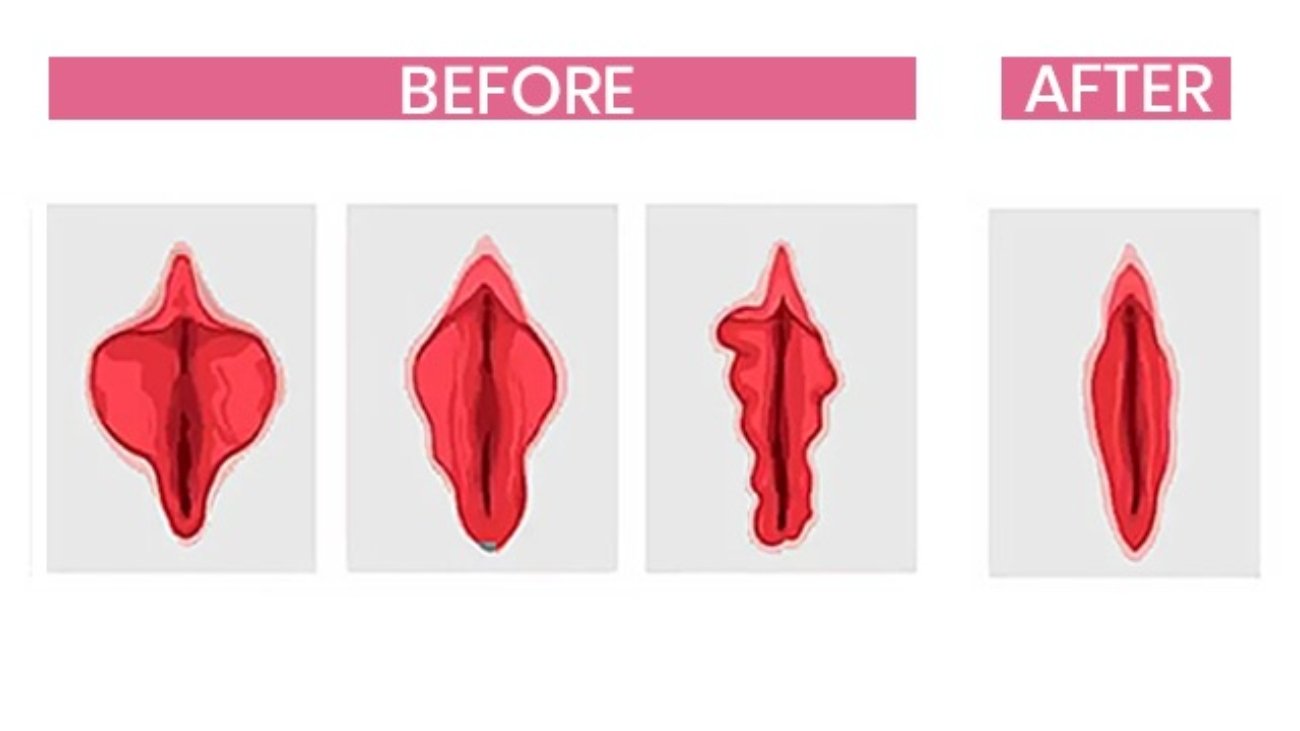
Labiaplasty is a surgical procedure that changes the size or shape of the labia minora, which are the inner folds of skin around the vaginal opening.
A woman may ask about labiaplasty because of:
- Repeated discomfort during exercise
- Irritation from clothing
- Pulling or pinching sensations
- Symptoms following injury or childbirth
- Concerns about appearance
- Asymmetry or tissue that causes physical discomfort
Labiaplasty is not automatically appropriate for every woman who is concerned about appearance. A gynecologist should discuss normal anatomical variation, the reason for the concern, possible alternatives, surgical risks, and realistic expectations.
Potential risks may include:
- Pain
- Bleeding
- Infection
- Scarring
- Wound-healing problems
- Changes in sensation
- Pain during intercourse
- Unsatisfactory cosmetic results
- The need for further surgery
Clitoral Hood Procedures

Clitoral hood procedures may be discussed in some cosmetic surgery settings. Because the clitoris contains highly sensitive nerves, any procedure in this area requires careful assessment and a clear discussion of possible changes in sensation.
This is not a routine treatment for every cosmetic concern. A patient should ask about the clinician’s training, experience, complication rates, alternatives, and the specific reason the procedure is being recommended.
Perineoplasty
Perineoplasty involves the perineum, the area between the vaginal opening and the anus. It may be considered in selected cases involving scarring, tissue changes, or specific structural concerns.
The procedure should not be presented as a guaranteed method to improve sexual satisfaction. The cause of discomfort or sexual difficulty must first be evaluated.
Vaginoplasty or Vaginal Surgery
Vaginoplasty is a surgical term that may be used for different procedures. Some operations are performed for medical or reconstructive reasons, while others may be marketed for cosmetic purposes.
The term “vaginal rejuvenation” is not a single standardized medical procedure. Before considering surgery, ask the doctor to explain:
- The exact name of the procedure
- The anatomical area being treated
- The medical reason for recommending it
- The evidence supporting the procedure
- Possible complications
- Recovery requirements
- Alternative treatments
Non-Surgical Intimate Wellness Treatments
Some clinics advertise non-surgical treatments using laser, radiofrequency, or other energy-based devices. These treatments are often promoted for vaginal tightening, dryness, urinary leakage, or sexual concerns.
However, energy-based vaginal treatments should not be treated as automatically safe or proven. The U.S. Food and Drug Administration has warned about serious complications associated with certain energy-based devices marketed for vaginal “rejuvenation,” including burns, scarring, pain during intercourse, and long-lasting pain.
A woman should ask for clear information about:
- The exact device being used
- Its regulatory status for the intended use
- The evidence supporting the treatment
- Potential complications
- Alternatives
- Whether the treatment is part of a research protocol
- What happens if symptoms become worse
Pelvic-Floor Treatment
Some intimate concerns are related to pelvic-floor muscles rather than the appearance of the vulva or vagina.
Pelvic-floor physiotherapy may be useful for selected concerns, including:
- Pelvic-floor weakness
- Certain types of urinary leakage
- Muscle tightness
- Pain associated with pelvic-floor dysfunction
- Recovery after childbirth
Pelvic-floor treatment is different from cosmetic surgery and may be a more suitable option for some women.
Treatment for Menopause-Related Symptoms
Menopause may cause vaginal dryness, irritation, discomfort during intercourse, and changes in vaginal tissue.
Treatment may include:
- Vaginal moisturisers
- Lubricants
- Hormonal treatment when medically appropriate
- Pelvic-floor care
- Treatment of infections or other causes
- Specialist evaluation of persistent symptoms
A menopause-related symptom should not automatically be treated with a cosmetic procedure. The cause and the woman’s medical history should be assessed first.
For more information, visit the cosmetic gynecology procedures page.
Surgical Versus Non-Surgical Cosmetic Gynecology
Surgical Options
Surgical procedures involve an incision, tissue removal, tissue repair, or reconstruction. Examples may include selected forms of labiaplasty, perineoplasty, or other procedures recommended for a specific clinical reason.
Possible advantages may include addressing a structural concern that cannot be managed through non-surgical care. However, surgery also involves:
- Anaesthesia-related risks
- Bleeding
- Infection
- Scarring
- Recovery time
- Temporary swelling and discomfort
- Possible changes in sensation
- The possibility of revision surgery
Non-Surgical Options
Non-surgical options may include medical treatment, pelvic-floor therapy, counselling, moisturisers, lubricants, or selected device-based treatments.
Non-surgical does not always mean risk-free. Some device-based procedures may cause burns, scarring, pain, or worsening symptoms. Their suitability and evidence should be discussed carefully before treatment.
Which Option Is Better?
There is no universally best option. The appropriate approach depends on:
- The actual cause of the concern
- The patient’s symptoms
- Medical history
- Age and hormonal status
- Previous childbirth or surgery
- Fertility and pregnancy plans
- Expectations
- Risks and alternatives
- The available medical evidence
You can also read the detailed comparison of non-surgical versus surgical cosmetic gynecology.
Is Cosmetic Gynecology Medically Necessary?
Cosmetic gynecology is not always medically necessary.
Some procedures are requested mainly because of appearance or personal preference. Other procedures may be considered for a specific medical or functional concern, such as discomfort caused by tissue, injury-related changes, scarring, or a diagnosed condition.
The distinction is important because a treatment should not be recommended simply because a woman’s anatomy looks different from an idealised image online.
A medical consultation should determine whether:
- The anatomy is within the normal range
- There is an underlying medical condition
- The concern is functional or cosmetic
- A non-surgical option may help
- Surgery is appropriate
- No treatment is needed
The American College of Obstetricians and Gynecologists has stated that high-quality evidence supporting the safety and effectiveness of female genital cosmetic surgery is limited. It also recommends counselling patients about potential complications and realistic expectations.
Benefits, Limitations, and Risks
Possible Benefits
Depending on the procedure and the reason for treatment, possible benefits may include:
- Relief from selected physical discomfort
- Improvement in a specific structural concern
- Treatment of scar-related symptoms
- Improved understanding of intimate health
- Better confidence after appropriate counselling
- Improved quality of life in selected cases
Benefits cannot be guaranteed, and the outcome may differ from one patient to another.
Important Limitations
Cosmetic gynecology should not be promoted as a guaranteed way to:
- Improve sexual pleasure
- Increase libido
- Save a relationship
- Reverse aging
- Restore a “perfect” appearance
- Guarantee vaginal tightness
- Guarantee fertility
- Treat every type of urinary leakage
- Replace medical treatment
Sexual function is influenced by physical health, hormones, pain, pelvic-floor function, emotional wellbeing, relationships, medications, and many other factors.
Possible Risks
Depending on the treatment, risks may include:
- Pain
- Bleeding
- Infection
- Swelling
- Scarring
- Changes in sensation
- Pain during intercourse
- Worsening of symptoms
- Unsatisfactory results
- Psychological distress
- Additional treatment or revision surgery
For device-based vaginal treatments, possible complications may include burns, scarring, and persistent pain. A treatment should never be described as completely risk-free.
Read more about whether cosmetic gynecology is safe.
Who May Be Suitable for Cosmetic Gynecology?
A woman may be suitable for a cosmetic gynecology consultation if she:
- Has a specific concern that affects comfort or quality of life
- Has symptoms following childbirth or injury
- Has a diagnosed structural concern
- Understands the possible benefits and risks
- Has realistic expectations
- Is choosing treatment voluntarily
- Has received information about alternatives
- Is medically fit for the proposed procedure
Suitability cannot be determined through an online form or photograph alone. A proper consultation and examination may be required.
Who Should Avoid or Delay Treatment?
Treatment may need to be delayed or avoided when:
- There is an untreated vaginal or pelvic infection
- The patient is pregnant, unless treatment is medically indicated
- There is unexplained bleeding or pelvic pain
- The patient expects guaranteed results
- The concern has not been medically evaluated
- The patient feels pressured by a partner or another person
- The patient has unrealistic expectations
- The procedure is being considered only because of misleading advertising
- A medical condition requires treatment first
- The clinician believes psychological support or another specialist assessment is needed
Women under 18 should not undergo elective genital cosmetic procedures unless there is a clear medical indication and the procedure is legally and clinically appropriate.
What Happens During a Cosmetic Gynecology Consultation?
A consultation should be private, respectful, and free from pressure.
The doctor may ask about:
- Your main concern
- When the concern started
- Whether it causes pain or irritation
- Previous childbirth or surgery
- Menstrual and hormonal history
- Menopause symptoms
- Sexual discomfort, if relevant
- Urinary symptoms
- Previous treatments
- Current medicines
- Medical conditions
- Pregnancy and fertility plans
- Your expectations from treatment
Depending on the concern, the doctor may recommend:
- A general gynecological examination
- Examination of the vulva or vaginal area
- Pelvic-floor assessment
- Pregnancy testing
- Infection testing
- Ultrasound
- Blood tests
- Referral to a pelvic-floor physiotherapist
- Referral to another specialist
You should be given time to ask questions before making a decision. You should never feel that you must agree to treatment during the first consultation.
Recovery and Expected Results
Recovery depends on the procedure.
Non-surgical medical care may require little or no downtime, while surgical procedures may require several weeks of healing. Swelling, tenderness, and temporary discomfort can occur after surgery.
Before treatment, ask about:
- Expected recovery time
- When you can return to work
- When exercise can be resumed
- When sexual activity can be resumed
- Wound care
- Medicines
- Warning signs
- Follow-up appointments
- What to do if symptoms worsen
- Whether the result may change over time
Results also vary. A responsible clinician should explain what the treatment can and cannot achieve instead of promising a perfect or permanent result.
Read more about cosmetic gynecology recovery and downtime.
Questions to Ask Before Choosing a Treatment
Before undergoing any cosmetic gynecology procedure, ask:
- What is the exact name of the procedure?
- What concern is it intended to address?
- Is the treatment medically necessary?
- What are the non-surgical alternatives?
- What evidence supports this treatment?
- What are the possible complications?
- How often have you performed this procedure?
- What are your complication and revision rates?
- What type of training do you have?
- What results are realistic?
- How long will recovery take?
- Will I need follow-up appointments?
- What happens if I am not satisfied?
- Is the treatment appropriate if I plan to become pregnant?
- What additional costs may be involved?
- Can I take time to decide?
- Can I receive written information about the procedure?
- What should I do if I experience pain, bleeding, or infection afterward?
A trustworthy clinic should welcome these questions and provide clear, balanced information.
Why Consult LaBella?
LaBella’s cosmetic gynecology consultation should be based on privacy, respectful communication, medical assessment, and realistic treatment planning.
The purpose of a consultation is not to pressure a woman into a procedure. It is to help her understand:
- Whether her concern is medically significant
- Whether the concern is within normal anatomical variation
- Which treatment options may be suitable
- Whether non-surgical care may be enough
- What risks and limitations apply
- Whether another specialist should be involved
LaBella’s treatment availability, clinician qualifications, and procedure-specific outcomes should be explained clearly during consultation.
You can explore the following pages:
Frequently Asked Questions
What is cosmetic gynecology?
Cosmetic gynecology is a broad term for consultations, treatments, and procedures that address concerns involving the appearance, comfort, structure, or function of the vulva and vagina.
Is cosmetic gynecology the same as general gynecology?
No. General gynecology focuses on the prevention, diagnosis, and treatment of reproductive and pelvic health conditions. Cosmetic gynecology generally refers to intimate appearance, comfort, or function-related concerns. The two areas can overlap.
Is cosmetic gynecology medically necessary?
Not always. Some procedures are requested for appearance-related reasons, while others may be considered for a specific medical or functional concern. A consultation is needed to determine whether treatment is appropriate.
Is there one normal appearance of the vulva?
No. The size, shape, colour, and symmetry of the vulva vary widely. Differences in appearance are often normal and may change with puberty, pregnancy, aging, and menopause.
What are the common cosmetic gynecology procedures?
Depending on the clinic and the patient’s needs, procedures may include labiaplasty, selected perineal procedures, reconstructive procedures, and certain non-surgical treatments. The exact procedure and suitability must be assessed individually.
Is vaginal rejuvenation a standard medical procedure?
“Vaginal rejuvenation” is a broad marketing term rather than one standardized procedure. Ask the doctor to explain the exact treatment, the area being treated, the evidence, the risks, and the alternatives.
Are non-surgical cosmetic gynecology treatments risk-free?
No. Non-surgical does not mean risk-free. Certain energy-based vaginal treatments have been associated with serious complications, including burns, scarring, and persistent pain.
Can cosmetic gynecology improve sexual pleasure?
There is no guarantee that cosmetic gynecology will improve sexual pleasure, libido, or sexual satisfaction. Sexual concerns may have physical, hormonal, psychological, pelvic-floor, or relationship-related causes that require separate evaluation.
Can cosmetic gynecology help after childbirth?
Some women seek consultation after childbirth because of scarring, discomfort, tissue changes, or pelvic-floor symptoms. The appropriate treatment depends on the cause and may include pelvic-floor therapy, medical treatment, or selected procedures.
Is labiaplasty suitable for every woman?
No. Labiaplasty is not suitable for everyone. The doctor should assess the concern, explain normal anatomical variation, discuss alternatives, and review possible risks before recommending surgery.
How long does cosmetic gynecology recovery take?
Recovery depends on the treatment. Some non-surgical options may require little downtime, while surgical procedures may require several weeks of healing. The clinic should provide procedure-specific recovery instructions.
Can cosmetic gynecology affect future pregnancy?
Some procedures may have implications for future pregnancy or childbirth. Tell your doctor if you are planning a pregnancy so that treatment choices can be discussed appropriately.
What should I ask a cosmetic gynecologist?
Ask about the exact procedure, medical reason, evidence, alternatives, risks, recovery, clinician training, expected results, complication rates, follow-up care, and what happens if you are dissatisfied.
How can I book a consultation at LaBella?
You can contact LaBella through the official contact page to ask about consultation availability, treatment options, and the appropriate next step.
Final Thoughts
Cosmetic gynecology should begin with education and medical assessment—not with pressure to undergo a procedure.
Some women may benefit from treatment for a specific physical or functional concern. Others may benefit more from reassurance, pelvic-floor therapy, hormonal treatment, counselling, or treatment of an underlying medical condition.
Before choosing any procedure, understand the exact treatment, available evidence, possible risks, expected recovery, alternatives, and the experience of the clinician performing it.
The most appropriate treatment is not necessarily the newest or most heavily advertised option. It is the option that is medically suitable, clearly explained, and consistent with the woman’s own informed decision.
Medical References
- American College of Obstetricians and Gynecologists: Vaginal Rejuvenation, Labiaplasty, and Other Female Genital Cosmetic Surgery
- American College of Obstetricians and Gynecologists: Elective Female Genital Cosmetic Surgery
- American College of Obstetricians and Gynecologists: Vaginal Laser Therapy for Vaginal Problems
- U.S. Food and Drug Administration: Warning About Energy-Based Devices Marketed for Vaginal Rejuvenation
- LaBella Cosmetic Gynecology: Cosmetic Gynecology Procedures
- LaBella Cosmetic Gynecology: Is Cosmetic Gynecology Safe?