Cosmetic Gynecology in Mohali: Consultation, Treatment Options, and Intimate Wellness

Cosmetic Gynecology in Mohali: Consultation, Treatment Options, and Intimate Wellness

Cosmetic Gynecology in Mohali

Cosmetic gynecology in Mohali involves consultations and selected medical, non-surgical, surgical, and supportive treatments for concerns related to the vulva, vagina, pelvic floor, intimate comfort, and appearance.

Women may seek advice after childbirth, during menopause, following gynecological surgery, or when they experience discomfort, irritation, changes in appearance, urinary symptoms, or concerns about sexual comfort.

At LaBella CosGyn, the first step should be a detailed gynecological assessment. The purpose of the consultation is to understand the concern, identify possible medical causes, explain available options, and help the patient make an informed decision.

Cosmetic gynecology is not suitable for every symptom or every patient. Some concerns may be better managed with medical treatment, pelvic-floor physiotherapy, hormonal care, counselling, observation, or referral to another specialist.


What Is Cosmetic Gynecology?

Cosmetic gynecology is a broad term used for selected procedures and treatments involving the external and internal female genital area. These may address appearance-related concerns, discomfort, selected functional concerns, or changes following childbirth, aging, or surgery.

The term may include:

  • Labiaplasty
  • Selected perineal procedures
  • Reconstructive gynecological procedures
  • Treatment of specific scar-related concerns
  • Selected non-surgical intimate treatments
  • Medical management of vaginal dryness or irritation
  • Pelvic-floor assessment and supportive care

The exact treatment depends on the patient’s symptoms, medical history, examination findings, expectations, and overall health.

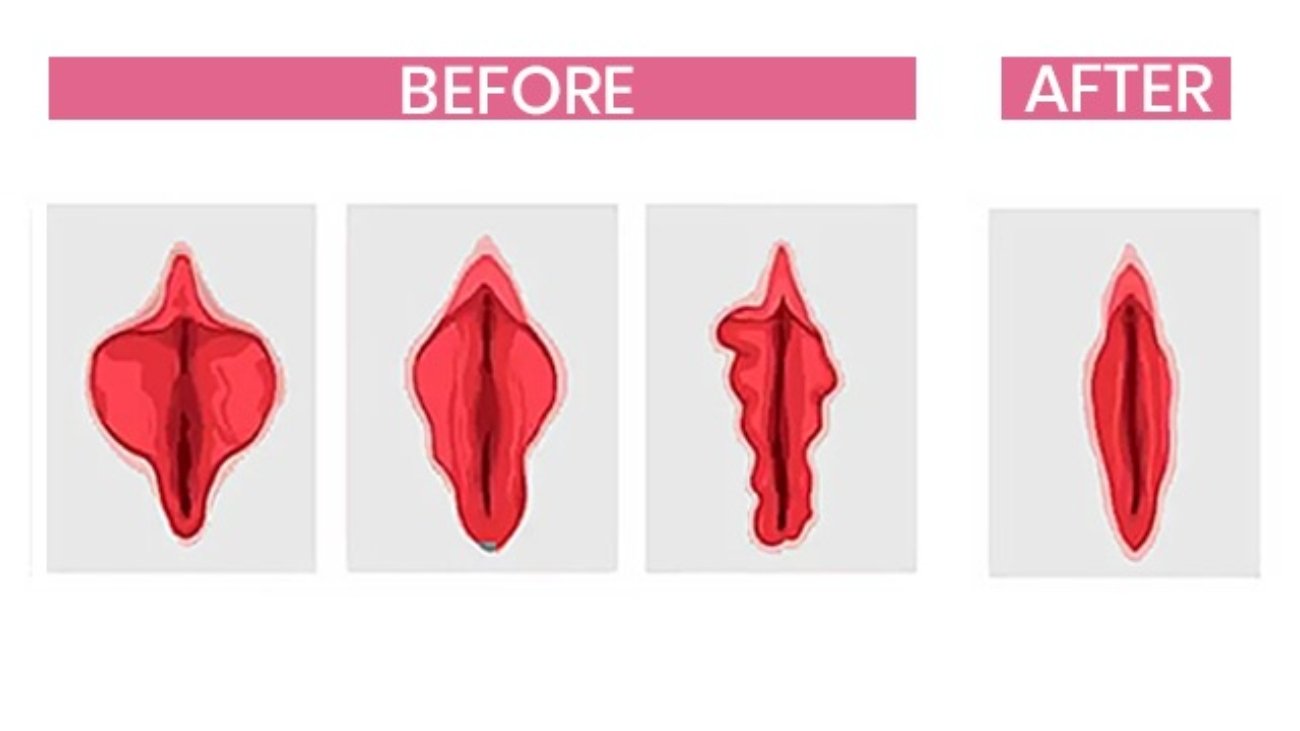
There is no single “normal” appearance of the vulva. Size, shape, colour, and symmetry vary naturally. A consultation should therefore include reassurance about normal anatomy and should not create unnecessary pressure to change it.


Why Women Seek Cosmetic Gynecology in Mohali

Women may consult a gynecologist for several different reasons, including:

  • Discomfort caused by friction or clothing
  • Concerns following childbirth
  • Scar-related discomfort
  • Changes in vulvar appearance
  • Vaginal dryness or irritation
  • Pain during intercourse
  • Pelvic-floor weakness
  • Urinary leakage
  • Menopause-related intimate symptoms
  • Questions about labial size or asymmetry
  • Concerns about sexual comfort
  • Questions about surgical or non-surgical treatment options

These concerns can have different causes. A medical consultation is important before deciding whether a cosmetic procedure is appropriate.


Common Concerns Discussed During Consultation

Post-Childbirth Changes

Pregnancy and childbirth may be associated with changes in:

  • Pelvic-floor strength
  • Vaginal tissue
  • Perineal scars
  • Lubrication
  • Sexual comfort
  • Urinary control
  • Vaginal or vulvar appearance

Not every post-childbirth concern requires surgery. Depending on the assessment, care may include pelvic-floor physiotherapy, medical treatment, scar management, counselling, or a selected procedure.

Vaginal Dryness and Menopause-Related Symptoms

Hormonal changes during perimenopause and menopause may cause:

  • Vaginal dryness
  • Burning or irritation
  • Pain during intercourse
  • Reduced tissue comfort
  • Recurrent urinary symptoms
  • Increased sensitivity

Treatment may include lubricants, vaginal moisturisers, hormonal treatment when appropriate, pelvic-floor care, or evaluation for another medical condition.

Vulvar Discomfort

Vulvar discomfort may be related to:

  • Friction
  • Skin irritation
  • Infection
  • Dermatological conditions
  • Scarring
  • Pelvic-floor muscle tension
  • Nerve-related pain
  • Anatomical concerns

A procedure should not be recommended until other possible causes have been considered.

Urinary Leakage

Stress urinary incontinence may cause urine leakage during:

  • Coughing
  • Sneezing
  • Laughing
  • Running
  • Exercise
  • Lifting heavy objects

Urinary leakage can be associated with pelvic-floor weakness, childbirth, hormonal changes, bladder conditions, or other causes.

Treatment may include:

  • Pelvic-floor physiotherapy
  • Bladder training
  • Lifestyle changes
  • Medical treatment
  • Specialist evaluation
  • Selected procedures when clinically appropriate

Urinary leakage should not automatically be described as a cosmetic concern or treated with a laser or device without a proper diagnosis.

Pain During Intercourse

Pain during intercourse may be related to:

  • Vaginal dryness
  • Infection
  • Pelvic-floor muscle tightness
  • Vaginismus
  • Scar tissue
  • Endometriosis
  • Hormonal changes
  • Skin conditions
  • Emotional or relationship factors

The appropriate treatment depends on the cause. A detailed assessment may be more useful than directly choosing a cosmetic procedure.


Cosmetic Gynecology Treatments in Mohali

The treatments available at LaBella CosGyn should be confirmed directly with the clinic. Depending on the consultation and clinical assessment, treatment discussions may include the following.

Labiaplasty

Labiaplasty is a surgical procedure that changes the size or shape of the labia. It may be considered for selected concerns involving discomfort, irritation, scarring, or a specific structural issue.

Patients should understand that labiaplasty may involve:

  • Pain and swelling
  • Bleeding
  • Infection
  • Scarring
  • Changes in sensation
  • Pain during intercourse
  • Wound-healing problems
  • Unsatisfactory cosmetic or functional results
  • Additional treatment or surgery

Labiaplasty should not be presented as necessary simply because the vulva looks different from images seen online.

Learn more about cosmetic gynecology procedures.

Vaginal Rejuvenation

“Vaginal rejuvenation” is not one standardized procedure. It may refer to different surgical or non-surgical treatments marketed for concerns such as vaginal laxity, dryness, or sexual comfort.

Before considering any treatment, patients should ask:

  • What is the exact procedure?
  • What symptom or concern is being treated?
  • What evidence supports it?
  • What are the alternatives?
  • What are the possible complications?
  • Is the treatment appropriate for my medical history?

Energy-based vaginal treatments may carry risks, including burns, scarring, pain, and worsening symptoms. Non-surgical does not automatically mean risk-free.

Read more about non-surgical and surgical cosmetic gynecology.

Hymenoplasty

Hymenoplasty is a surgical procedure intended to reconstruct or alter hymenal tissue.

A consultation should include a discussion of:

  • The patient’s reason for considering the procedure
  • Expected results
  • Medical limitations
  • Risks and recovery
  • Consent and privacy
  • Whether the procedure is appropriate

The appearance of the hymen cannot reliably establish whether someone has had sexual intercourse. Patients should receive respectful, non-judgmental care.

Perineal and Scar-Related Procedures

Selected procedures may be considered for specific concerns involving:

  • Perineal scarring
  • Discomfort after childbirth
  • Tissue changes following surgery
  • Structural concerns
  • Functional symptoms

The need for treatment should be determined through examination and medical assessment.

Medical Management of Intimate Symptoms

Some concerns may respond better to non-surgical care, including:

  • Vaginal moisturisers
  • Lubricants
  • Hormonal treatment when appropriate
  • Treatment of infection
  • Pelvic-floor physiotherapy
  • Scar management
  • Bladder training
  • Medical treatment for skin conditions
  • Psychosexual counselling when indicated

Technologies and Device-Based Treatments

LaBella should provide the exact name, manufacturer, regulatory information, clinical indication, and risks of any device-based treatment offered.

Pelvic-Floor Stimulation

Pelvic-floor stimulation may be discussed for selected patients with pelvic-floor weakness. It should not replace a proper assessment or individualized pelvic-floor rehabilitation plan.

Laser-Based Treatments

Laser-based vaginal treatments are marketed for several intimate concerns. However, patients should be informed that evidence and regulatory status vary by device and indication.

A laser treatment should not be described as a guaranteed treatment for:

  • Urinary incontinence
  • Recurrent infections
  • Vaginal laxity
  • Sexual dysfunction
  • Vaginal dryness
  • Menopause-related symptoms

Patients should ask about alternatives and possible complications before proceeding.

PRP Therapy

Platelet-rich plasma, or PRP, uses a preparation made from the patient’s blood. PRP is used in different medical fields, but its effectiveness for cosmetic gynecology and female sexual concerns is not established for every advertised indication.

Patients should be told:

  • What the treatment is intended to address
  • What evidence supports the use
  • Whether it is an established or investigational option
  • What risks are involved
  • What alternatives are available

HIFU and Other Energy-Based Treatments

HIFU and other energy-based treatments may be marketed for tissue tightening or intimate wellness. The exact device, approved indication, treatment settings, and safety information must be verified before treatment.

A treatment should not be described as “FDA-approved” unless the exact device and intended use have been verified. Approval for one medical use does not automatically mean approval for vaginal tightening or cosmetic gynecology.

Carboxytherapy

Carboxytherapy involves the use of carbon dioxide for selected cosmetic or medical purposes. Its suitability for intimate treatment depends on the exact technique, indication, and medical assessment.

Patients should receive clear information about:

  • The purpose of treatment
  • Evidence of effectiveness
  • Possible side effects
  • Contraindications
  • Alternatives
  • Follow-up requirements

Is Cosmetic Gynecology Safe?

The safety of cosmetic gynecology depends on:

  • The exact procedure
  • The patient’s medical history
  • The clinician’s qualifications and experience
  • The equipment used
  • Infection-control practices
  • Informed consent
  • Appropriate follow-up
  • Recognition and management of complications

No cosmetic gynecology procedure should be described as completely risk-free.

Possible risks of surgical procedures may include:

  • Pain
  • Bleeding
  • Infection
  • Swelling
  • Scarring
  • Altered sensation
  • Pain during intercourse
  • Wound-healing problems
  • Need for revision surgery

Possible risks of energy-based treatments may include burns, scarring, pain, and worsening symptoms.

The American College of Obstetricians and Gynecologists advises that patients should receive accurate information about the limited evidence and potential risks associated with elective female genital cosmetic procedures.


Who May Need a Consultation?

A consultation may be appropriate for a woman who:

  • Has persistent intimate discomfort
  • Has symptoms following childbirth
  • Is experiencing menopause-related vaginal symptoms
  • Has concerns about a scar
  • Has urinary leakage
  • Is considering labiaplasty or another procedure
  • Wants to understand non-surgical options
  • Has questions about intimate appearance
  • Wants a second opinion before treatment

A consultation does not mean that treatment will necessarily be recommended.


Who Should Delay Treatment?

Treatment may need to be delayed or reconsidered when a patient has:

  • An untreated vaginal or urinary infection
  • Unexplained bleeding
  • Active skin disease
  • Uncontrolled medical conditions
  • Pregnancy, depending on the procedure
  • Unclear expectations
  • Pressure from a partner or family member
  • Significant anxiety about normal anatomy
  • A need for another specialist’s assessment

Women with persistent pain, unusual discharge, sores, bleeding, or urinary symptoms should receive a medical evaluation before considering cosmetic treatment.


What Happens During a Consultation at LaBella?

A consultation may include:

  1. Discussion of the main concern.
  2. Review of medical and surgical history.
  3. Discussion of childbirth and fertility plans.
  4. Review of menstrual or menopause-related symptoms.
  5. Assessment of pain, dryness, irritation, or urinary symptoms.
  6. Examination or testing when medically necessary.
  7. Discussion of possible causes.
  8. Explanation of treatment and non-treatment options.
  9. Review of benefits, limitations, risks, and recovery.
  10. Opportunity to ask questions and consider a second opinion.

Patients should not feel pressured to decide during the first appointment.


Questions to Ask Before Treatment

Before choosing a procedure, ask:

  • What is the exact name of the treatment?
  • What problem is it intended to address?
  • Is there a medical indication?
  • Are there non-surgical alternatives?
  • What evidence supports the treatment?
  • What are the possible risks?
  • What results are realistic?
  • How long is recovery?
  • When can I return to work and exercise?
  • When can sexual activity be resumed?
  • What follow-up care is required?
  • What happens if complications occur?
  • What happens if I am dissatisfied?
  • What are the total costs?
  • Is the treatment appropriate if I plan to become pregnant?
  • What are the qualifications and experience of the treating clinician?

Why Consider LaBella CosGyn in Mohali?

Women considering LaBella CosGyn should look for a consultation process that includes:

  • Gynecology-led medical assessment
  • Respectful and non-judgmental communication
  • Privacy during discussion and examination
  • Clear information about treatment options
  • Discussion of alternatives
  • Realistic expectations
  • Explanation of risks and recovery
  • Appropriate follow-up care
  • Referral when another specialist is needed

The clinic’s exact qualifications, registrations, certifications, available procedures, and equipment should be confirmed directly before treatment.


Cosmetic Gynecology in Mohali and Nearby Areas

LaBella CosGyn may be accessible to women seeking consultation from:

  • Mohali
  • Chandigarh
  • Panchkula
  • Zirakpur
  • Dhakoli
  • Dera Bassi
  • Nearby areas of Punjab and Haryana
  • Other parts of North India

Patients travelling from another city should contact the clinic in advance to understand appointment availability, required reports, examination arrangements, treatment planning, and follow-up.

You can also explore:


Frequently Asked Questions

What is cosmetic gynecology in Mohali?

Cosmetic gynecology in Mohali refers to consultations and selected treatments for concerns involving intimate appearance, comfort, function, tissue changes, and selected gynecological conditions.

Is cosmetic gynecology the same as general gynecology?

No. General gynecology addresses a broad range of women’s health concerns. Cosmetic gynecology focuses on selected appearance-related, functional, reconstructive, and intimate wellness concerns.

Is cosmetic gynecology safe?

Safety depends on the exact procedure, the patient’s health, the clinician’s qualifications, the equipment used, and follow-up care. No procedure should be described as completely risk-free.

Are laser treatments always safe because they are non-surgical?

No. Non-surgical treatments may still cause complications. Patients should ask about evidence, regulatory status, alternatives, and risks before choosing an energy-based treatment.

Can cosmetic gynecology treat urinary leakage?

Urinary leakage requires proper diagnosis. Treatment may include pelvic-floor physiotherapy, bladder training, medical management, or selected procedures when clinically appropriate.

Can cosmetic gynecology prevent recurrent vaginal infections?

Recurrent infections require medical evaluation to identify the cause. Cosmetic or energy-based treatments should not be promoted as a guaranteed way to prevent infections.

Can labiaplasty improve sexual pleasure?

There is no guarantee that labiaplasty will improve sexual pleasure. The procedure should be considered only after discussing the patient’s concern, expectations, alternatives, and risks.

Can women seek treatment after childbirth?

Yes, women may consult a gynecologist about post-childbirth discomfort, scarring, pelvic-floor symptoms, urinary leakage, dryness, or changes in appearance. Treatment depends on the cause and may not require surgery.

Can women with menopause symptoms consult a cosmetic gynecologist?

Yes. Menopause-related dryness, irritation, and painful intercourse can be discussed. Treatment may include medical, hormonal, non-hormonal, or pelvic-floor options.

Does every consultation lead to a procedure?

No. A consultation may result in reassurance, medical treatment, pelvic-floor care, testing, referral, observation, or no procedure.

Can I seek a second opinion?

Yes. Patients should feel comfortable seeking a second opinion before undergoing an elective procedure, particularly surgery or device-based treatment.

How can I book an appointment at LaBella CosGyn?

You can contact the clinic through the official contact page to ask about consultation availability and the next steps.


Book a Consultation for Cosmetic Gynecology in Mohali

If you are considering cosmetic gynecology in Mohali, begin with a private consultation and a clear discussion of your concerns.

A proper assessment can help determine whether you need medical treatment, pelvic-floor care, a surgical procedure, a non-surgical option, further testing, or reassurance.

Contact LaBella CosGyn:
Book a consultation

Official website:
https://labellacosgyn.com/


Medical References


Cosmetic Gynecology in Chandigarh – Advanced Intimate Wellness

Cosmetic Gynecology in Chandigarh – Advanced Intimate Wellness

Cosmetic Gynecology in Chandigarh – Advanced Intimate Wellness by LaBella CosGyn

Cosmetic Gynecology in Chandigarh

Cosmetic Gynecology in Chandigarh is an advanced, evidence-based branch of women’s healthcare focused on improving intimate health, comfort, function, and confidence. At LaBella CosGyn, cosmetic gynecology is practiced with a strong medical foundation, ethical standards, and modern technology to deliver safe, personalized, and effective results.

Cosmetic gynecology refers to medical, non-surgical, and surgical procedures designed to enhance the appearance, function, and overall health of the female intimate area. With increasing awareness, women across Chandigarh, Mohali, Panchkula, and Tricity are actively seeking cosmetic gynecology treatments for concerns related to childbirth, aging, hormonal changes, urinary leakage, infections, and sexual discomfort.

LaBella CosGyn is a trusted destination for Cosmetic Gynecology in Chandigarh, offering advanced intimate wellness solutions under expert gynecologist supervision.


What Is Cosmetic Gynecology?

Cosmetic gynecology is a newer and rapidly evolving specialty within gynecology that focuses on restoring vaginal health, improving pelvic floor strength, enhancing sexual comfort, and addressing aesthetic and functional concerns of the vulva and vagina.

Contrary to common myths, cosmetic gynecology is not just about appearance. Modern cosmetic gynecology is rooted in medical necessity, functional outcomes, and quality-of-life improvement.

Cosmetic Gynecology Addresses

  • Stress urinary incontinence

  • Vaginal laxity and dryness

  • Recurrent vaginal infections

  • Painful intercourse

  • Vulvar pain and discomfort

  • Post-delivery vaginal rehabilitation


Why Women Choose Cosmetic Gynecology in Chandigarh

Women choose cosmetic gynecology in Chandigarh for both medical and personal reasons. These treatments help women regain confidence, comfort, and control over their intimate health.

Common Reasons

  • Aging and menopause-related vaginal changes

  • Post-pregnancy vaginal looseness

  • Leakage of urine during coughing, sneezing, or exercise

  • Reduced vaginal lubrication

  • Discomfort or lack of sensation during intimacy

  • Recurrent fungal or bacterial infections


Conditions Treated Under Cosmetic Gynecology

Stress Urinary Incontinence (SUI)

Stress urinary incontinence is the unintentional leakage of urine caused by pressure on the bladder during activities such as coughing, sneezing, laughing, running, or lifting weights. It is more common in women, especially after childbirth or menopause.

At LaBella CosGyn, advanced non-invasive SUI treatments in Chandigarh include laser therapy, PRP therapy, and Emsella Chair treatment, which strengthen pelvic floor muscles and improve bladder control.


Vulvodynia

Vulvodynia is chronic pain or discomfort around the vulva without an identifiable visible cause. The pain may be localized or generalized and can be provoked or spontaneous.

Cosmetic gynecology treatments help improve tissue health and nerve sensitivity using laser therapy and regenerative techniques, offering relief and improved quality of life.


Labiaplasty

Labiaplasty is a cosmetic gynecology surgery performed to reshape the labia minora or labia majora. Women may seek labiaplasty due to discomfort during intercourse, irritation with clothing, asymmetry, or post-childbirth changes.

Laser-assisted labiaplasty in Chandigarh offers precision, minimal scarring, faster healing, and excellent aesthetic outcomes.


Vaginal Tightening

Laser vaginal tightening is a non-surgical procedure that restores vaginal tightness by stimulating collagen production and tissue remodeling. It also supports pelvic muscles and improves stress urinary incontinence.


Hymenoplasty

Hymenoplasty is a minor surgical procedure to reconstruct the hymen. At LaBella CosGyn, hymenoplasty is performed with complete confidentiality, safety, and sensitivity.


Recurrent Vaginal Infections

Laser vaginal rejuvenation improves lubrication, restores normal vaginal pH, enhances local immunity, and helps prevent recurrent infections.


O-Shot & G-Shot Therapy

O-Shot and G-Shot treatments use PRP (Platelet-Rich Plasma) derived from the patient’s own blood to enhance sensitivity, arousal, and orgasmic response.


Cosmetic Gynecology Tools & Technologies

Emsella Chair

Non-invasive pelvic floor strengthening for urinary incontinence and quality-of-life improvement.

CO2 Laser Technology

Effective for SUI, vaginal laxity, dryness, infections, and post-menopausal rejuvenation.

PRP Therapy

Regenerative therapy improving tissue health and urinary control.

HIFU Therapy

FDA-approved non-invasive collagen stimulation.

Carboxytherapy

Medical CO2 therapy improving circulation and tissue healing.


Cosmetic Gynecology Services in Chandigarh

Available Treatments

  • Vaginoplasty

  • Labiaplasty

  • Femilift

  • Stress urinary incontinence treatment

  • Hymenoplasty

  • Clitoral hood reduction

  • Genital skin lightening

  • Bikini laser hair reduction

  • Vaginismus treatment

  • Botox & fillers

  • Female sexual enhancement procedures


Why Choose LaBella CosGyn?

  • Expert gynecologist-led care

  • Advanced laser & regenerative technology

  • Ethical, evidence-based treatments

  • Confidential consultations

  • Trusted across Chandigarh & Tricity


FAQs – Cosmetic Gynecology in Chandigarh

Is cosmetic gynecology safe?

Yes, when performed by experienced gynecologists using approved technology.

Is it painful?

Most procedures are painless or involve minimal discomfort.

Who can opt for cosmetic gynecology?

Women of all ages seeking improved intimate health and comfort.


Book Consultation

Internal Links

External Link

How Social Media and Celebrity Conversations Are Changing the Way Women Think About Vaginal Health in 2026

How Social Media and Celebrity Conversations Are Changing the Way Women Think About Vaginal Health in 2026

Introduction

In 2026, conversations about vaginal health and intimate wellness are becoming more visible across social media, podcasts, interviews, memoirs, and women-led health platforms.

Topics that were previously discussed only in private—including vaginal dryness, childbirth-related changes, urinary leakage, sexual discomfort, body image, and cosmetic gynecology—are now part of wider public conversations.

This increased visibility can be helpful. It may encourage women to ask questions, seek medical advice, and feel less alone about concerns that are common but often misunderstood.

However, social media is not a substitute for a medical consultation. Personal experiences, promotional content, and viral health claims may not apply to every woman. The most useful approach is to combine awareness with accurate medical information, informed consent, realistic expectations, and individualized care.


The Shift From Silence to Open Dialogue

For many years, vaginal and vulvar health were surrounded by embarrassment and misinformation. Women were often hesitant to discuss:

  • Vaginal dryness
  • Pain during intercourse
  • Urinary leakage
  • Changes after childbirth
  • Menopause-related symptoms
  • Vulvar discomfort
  • Sexual health concerns
  • Questions about intimate appearance

Social media has helped bring some of these topics into public discussion.

Women are increasingly:

  • Asking gynecologists questions online
  • Searching for explanations of intimate symptoms
  • Sharing personal recovery experiences
  • Discussing menopause and postpartum changes
  • Looking for information about treatment options
  • Asking about consent and medical decision-making
  • Expecting greater transparency from healthcare providers

This is a positive development when online conversations encourage women to seek appropriate care rather than self-diagnose or follow unverified treatment advice.


How Celebrity Conversations Influence Women’s Health Discussions

Celebrity stories often receive significant attention because they reach large audiences quickly. When a public figure discusses an intimate medical experience, the story can make previously unfamiliar topics easier to discuss.

Celebrity conversations may encourage people to ask:

  • What is the difference between labiaplasty and vaginal rejuvenation?
  • What does informed consent mean?
  • Can a doctor perform an additional procedure without permission?
  • What risks are associated with cosmetic gynecology?
  • How can a woman make an informed treatment decision?
  • What questions should be asked before surgery?

These conversations can increase awareness, but they should not be treated as medical advice. One person’s experience does not establish that a treatment is suitable, unsafe, effective, or necessary for everyone.


Brooke Shields and the Importance of Informed Consent

In 2025, Brooke Shields discussed in her memoir and interviews an experience in which she said that a vaginal rejuvenation procedure was performed during a labiaplasty surgery without her consent.

According to her account, she had agreed to labial reduction after experiencing discomfort, chafing, and bleeding. She later learned that the surgeon had also performed an additional vaginal tightening procedure while she was under anesthesia.

Her story brought renewed attention to:

  • Informed consent
  • Patient autonomy
  • The right to understand a planned procedure
  • The right to refuse additional treatment
  • The importance of discussing alternatives
  • The power imbalance that can exist in medical settings
  • The emotional impact of an unwanted intimate procedure

The central lesson is not that every cosmetic gynecology procedure is inappropriate. The lesson is that every patient must understand and agree to the treatment being performed.

A procedure should never be added simply because a clinician believes it may be beneficial. Consent should be specific, voluntary, informed, and obtained before treatment.

Read more about the importance of consent in cosmetic gynecology.


Why Informed Consent Matters in Cosmetic Gynecology

Informed consent means that a patient receives understandable information before deciding whether to proceed with treatment.

This information should include:

  • The exact name of the procedure
  • The reason it is being considered
  • Expected benefits
  • Possible risks and complications
  • Available alternatives
  • The option of choosing no treatment
  • Expected recovery
  • Follow-up requirements
  • Possible additional procedures
  • The limitations of the treatment

Patients should have the opportunity to ask questions and take time to decide.

Consent is not a single signature on a form. It is an ongoing process of communication between the patient and the healthcare professional.

Before an intimate procedure, every patient should feel comfortable asking:

“What exactly will be done, and what will not be done?”


Social Media as a Source of Vaginal Health Information

Platforms such as Instagram, TikTok, YouTube, and podcasts have made health information easier to access.

Women may now find content about:

  • Menopause
  • Vaginal dryness
  • Postpartum recovery
  • Pelvic-floor exercises
  • Sexual health
  • Vulvar hygiene
  • Urinary leakage
  • Cosmetic gynecology
  • Labiaplasty
  • Vaginal rejuvenation
  • Intimate skincare

Some content is created by qualified healthcare professionals and can help explain medical terms or encourage appropriate consultation.

Other content may be created by influencers, product companies, clinics, or individuals without medical training. This content may contain exaggerated claims, incomplete information, or recommendations that are not suitable for everyone.

A social media post can start a conversation, but it should not replace diagnosis or treatment from a qualified healthcare professional.


The Risk of Vaginal Health Misinformation

Online health information can be misleading when it:

  • Promises guaranteed results
  • Uses phrases such as “zero risk” or “completely painless”
  • Claims that one treatment works for every woman
  • Presents testimonials as proof of effectiveness
  • Promotes a procedure without discussing complications
  • Suggests that normal anatomy is abnormal
  • Uses fear to encourage treatment
  • Claims that a device is approved for a use that has not been verified
  • Recommends treatment without a medical assessment
  • Confuses cosmetic appearance with medical necessity

Women should be cautious when a post makes strong claims without identifying clinical evidence, professional qualifications, or the limitations of the treatment.


How to Evaluate a Vaginal Health Post Online

Before trusting or sharing a health-related post, ask:

Who Created the Content?

Check whether the creator is:

  • A qualified gynecologist
  • A registered healthcare professional
  • A recognized medical organization
  • A research institution
  • A commercial brand
  • An influencer without medical training

Professional qualifications do not automatically make every claim correct, but the source should be transparent.

Is the Claim Supported by Evidence?

Look for:

  • Medical references
  • Published research
  • Professional guidelines
  • Clear explanations of limitations
  • Information about risks and alternatives

Be cautious when a post relies only on before-and-after photographs, testimonials, or celebrity experiences.

Is the Language Too Absolute?

Claims such as “permanent results,” “no side effects,” “guaranteed tightening,” or “cures recurrent infections” should be treated carefully.

Medical outcomes vary according to the patient, diagnosis, treatment, and follow-up.

Is the Content Selling a Treatment?

A post may be promotional if it:

  • Uses urgency
  • Offers a limited-time procedure
  • Promises a perfect result
  • Avoids discussing risks
  • Uses unrealistic before-and-after images
  • Describes every symptom as a reason for treatment

Educational content should help women understand their options rather than pressure them to purchase a procedure.


Body Image, Filters, and Intimate Appearance

Social media often presents highly edited images and narrow beauty standards. This may influence how women view their bodies, including areas that are rarely discussed openly.

Women may begin to compare their vulvar anatomy with:

  • Edited images
  • Promotional photographs
  • Pornographic content
  • Influencer content
  • Unrealistic beauty standards
  • Marketing images from cosmetic clinics

It is important to remember that vulvar appearance varies naturally. There is no single ideal size, shape, colour, or level of symmetry.

A medical consultation should provide reassurance about normal anatomy and explore whether a concern is related to discomfort, a medical condition, body image, or external pressure.

Treatment should never be recommended solely to match an unrealistic image seen online.


From “Looking Different” to Understanding Comfort and Function

Social media discussions are also changing the way women describe their concerns.

Instead of focusing only on appearance, women may be asking about:

  • Comfort during exercise
  • Pain during intercourse
  • Vaginal dryness
  • Post-childbirth changes
  • Pelvic-floor weakness
  • Urinary leakage
  • Menopause-related symptoms
  • Scar discomfort
  • Sexual wellbeing
  • Confidence and quality of life

These concerns deserve a medical assessment because similar symptoms can have different causes.

For example, painful intercourse may be related to dryness, infection, pelvic-floor muscle tension, hormonal changes, scarring, or another condition. Urinary leakage may require pelvic-floor assessment, bladder training, medical treatment, or specialist care.

A cosmetic procedure is not always the most appropriate solution.


What Does “Vaginal Rejuvenation” Mean?

“Vaginal rejuvenation” is a broad marketing term rather than one standardized medical procedure.

It may refer to different treatments, including:

  • Surgical procedures
  • Non-surgical device-based treatments
  • Radiofrequency or laser-based treatments
  • Treatments marketed for vaginal laxity
  • Treatments marketed for dryness or intimate comfort
  • Other procedures promoted for sexual wellness

The exact treatment, evidence, risks, and regulatory status must be assessed individually.

Women should ask the clinic to explain:

  • The exact procedure name
  • The device or technology being used
  • The intended medical purpose
  • The evidence supporting the treatment
  • The expected benefits
  • Possible complications
  • Available alternatives
  • Whether the treatment is appropriate for their symptoms

Non-surgical does not automatically mean risk-free. Energy-based vaginal treatments may cause complications such as burns, scarring, pain, or worsening symptoms.


Cosmetic Gynecology and Medical Necessity

Cosmetic gynecology may involve appearance-related concerns, functional symptoms, reconstructive needs, or a combination of these.

However, not every concern requires a procedure.

Depending on the diagnosis, appropriate care may include:

  • Reassurance
  • Medical treatment
  • Pelvic-floor physiotherapy
  • Hormonal management
  • Lubricants or vaginal moisturisers
  • Treatment of an infection
  • Scar management
  • Bladder training
  • Counselling
  • Referral to another specialist
  • Observation

The goal should be to identify the most appropriate care—not to recommend a procedure simply because it is available.


The Importance of Ethical Cosmetic Gynecology in India

As awareness of intimate health grows in India, women may search for:

  • Cosmetic gynecology in India
  • Cosmetic gynecology near Chandigarh
  • Labiaplasty in India
  • Vaginal rejuvenation safety
  • Post-childbirth intimate care
  • Menopause-related vaginal treatment
  • Confidential gynecology consultation

A responsible clinic should provide:

  • A qualified medical consultation
  • Clear information about treatment options
  • Discussion of risks and alternatives
  • Respect for privacy
  • Specific and voluntary consent
  • Realistic expectations
  • Transparent information about qualifications
  • Appropriate follow-up
  • Referral when another specialist is needed

At LaBella CosGyn, consultations should focus on understanding each woman’s concern and explaining whether medical, non-surgical, surgical, supportive, or no treatment is appropriate.

Learn more about LaBella CosGyn and cosmetic gynecology in India.


Questions Women Should Ask Before Any Intimate Procedure

Before deciding on treatment, ask:

  1. What is the exact name of the procedure?
  2. What concern is it intended to address?
  3. Is the procedure medically necessary?
  4. Are there non-surgical alternatives?
  5. What evidence supports the treatment?
  6. What are the possible risks?
  7. What results are realistic?
  8. How long will recovery take?
  9. What activities should be avoided during recovery?
  10. What follow-up care will be required?
  11. What happens if complications occur?
  12. What happens if I choose not to proceed?
  13. Will any additional procedure be performed?
  14. How will my consent be documented?
  15. Can I take time to decide or seek a second opinion?

A patient should never feel pressured to agree to an elective procedure during the first consultation.


What Women Should Remember About Celebrity Health Stories

Celebrity stories can help reduce stigma and encourage public discussion. However, they should be viewed as personal experiences rather than universal medical evidence.

A celebrity’s story cannot establish:

  • That a procedure is suitable for everyone
  • That a treatment is always unsafe
  • That a particular device is effective
  • That a symptom has only one cause
  • That a procedure will produce the same result for another woman

The most useful response to a celebrity health story is to ask better questions and seek reliable medical information.


Final Thoughts

Social media and celebrity conversations have helped bring vaginal health, intimate wellness, body image, and consent into wider public discussion.

This visibility can be valuable when it encourages women to:

  • Speak openly about symptoms
  • Seek medical advice
  • Understand normal anatomy
  • Question exaggerated claims
  • Ask about risks and alternatives
  • Protect their right to informed consent
  • Make decisions without pressure

The future of intimate healthcare should not be based on trends, fear, or unrealistic beauty standards.

It should be based on:

  • Education
  • Medical evidence
  • Privacy
  • Consent
  • Individualized care
  • Realistic expectations
  • Respect for every woman’s choices

Vaginal health is healthcare. Women deserve accurate information, clear consent, and respectful medical care.


Frequently Asked Questions

Is it normal to talk about vaginal health on social media?

Yes. Open, accurate conversations can reduce stigma and encourage women to seek appropriate medical care. However, social media information should not replace a professional consultation.

Can celebrity stories influence women’s health decisions?

Yes. Celebrity stories can increase awareness and encourage people to ask questions. However, personal experiences should not be treated as medical evidence or as a recommendation for everyone.

What did Brooke Shields’ story highlight?

Brooke Shields’ account highlighted the importance of informed consent and patient autonomy after she said that an additional vaginal procedure was performed during surgery without her permission.

What is informed consent?

Informed consent means that a patient understands the proposed procedure, expected benefits, risks, alternatives, and the option of choosing no treatment before voluntarily agreeing.

Is vaginal rejuvenation a single procedure?

No. “Vaginal rejuvenation” is a broad term that may refer to different surgical and non-surgical treatments. Patients should ask for the exact procedure and its evidence, risks, and alternatives.

Is vaginal rejuvenation always safe?

No procedure is completely risk-free. Safety depends on the exact treatment, the patient’s health, the clinician’s qualifications, the equipment used, and follow-up care.

Can social media diagnose vaginal health problems?

No. Social media may provide general information, but symptoms such as pain, unusual discharge, bleeding, dryness, or urinary leakage require individual medical assessment.

How can I identify misleading vaginal health content?

Be cautious of posts that promise guaranteed results, claim zero risk, promote one treatment for every woman, use testimonials as proof, or fail to discuss complications and alternatives.

Is all vulvar asymmetry abnormal?

No. Vulvar size, shape, colour, and symmetry vary naturally. A consultation can help determine whether a concern is medically significant or part of normal anatomical variation.

Should I choose a procedure because it is trending online?

No. A procedure should be considered only after understanding the medical indication, evidence, risks, alternatives, recovery, and expected results.

Can I seek a second opinion before cosmetic gynecology treatment?

Yes. Seeking a second opinion is reasonable, especially before an elective surgical or device-based procedure.

How can I consult LaBella CosGyn?

You can contact LaBella CosGyn through the official contact page to ask about consultation availability and the next steps.


Related LaBella Resources


Medical and Editorial References

  1. American College of Obstetricians and Gynecologists: Elective Female Genital Cosmetic Surgery
  2. American College of Obstetricians and Gynecologists: Vaginal Rejuvenation, Labiaplasty, and Other Female Genital Cosmetic Surgery
  3. American College of Obstetricians and Gynecologists: Vaginal Laser Therapy for Vaginal Problems
  4. U.S. Food and Drug Administration: Energy-Based Devices Marketed for Vaginal Rejuvenation
  5. Online Misleading Information About Women’s Reproductive Health: A Narrative Review
  6. Brooke Shields’ Nonconsensual Vaginal Rejuvenation Is More Common Than It Should Be
  7. Brooke Shields Reveals a Vaginal Surgery She Didn’t Consent To


Brooke Shields Vaginal Rejuvenation Consent & Cosmetic Gynecology Explained

Brooke Shields’ Vaginal Rejuvenation Without Consent: What Her Story Teaches Women About Cosmetic Gynecology Safety

Introduction 

In January 2025, actress Brooke Shields revealed that she underwent a vaginal rejuvenation procedure without her consent during a labiaplasty surgery—a disclosure that sparked global conversations about medical ethics, bodily autonomy, and cosmetic gynecology.

Her story, shared in her memoir Brooke Shields Is Not Allowed to Get Old and in interviews with NPR, SELF, and major international publications, highlights a reality many women face: intimate medical decisions being made without full consent.

This article explains what happened, what vaginal rejuvenation actually means medically, and how women can protect themselves by choosing ethical cosmetic gynecology care.


What Happened to Brooke Shields? 

According to Shields, the surgery was initially recommended by her gynecologist to relieve long-standing physical discomfort caused by enlarged labia. The planned procedure was labiaplasty.

However, upon waking up, she was informed that the surgeon had also performed a vaginal tightening procedure (medically referred to as vaginoplasty) — something she had never requested or consented to.

She later described the experience as:

  • Shocking
  • Invasive
  • Emotionally distressing

Despite considering legal action, Shields chose not to pursue it, citing emotional exhaustion and fear of public scrutiny (NPR interview, Jan 2025; SELF, Jan 2025).


Why This Celebrity Story Matters in Cosmetic Gynecology

Vaginal Rejuvenation Is a Medical Procedure — Not a “Bonus”

One of the most dangerous misconceptions in cosmetic gynecology is the idea that certain procedures can be “added” during surgery.

They cannot.

Vaginal rejuvenation alters anatomy permanently.
It requires:

  • Explicit discussion
  • Clear medical indication
  • Written informed consent

Anything else is a violation of medical ethics.


What Is Vaginal Rejuvenation? 

“Vaginal rejuvenation” is a broad term that may include:

Surgical Options

  • Vaginoplasty (tightening of the vaginal canal)

Non-Surgical Options

  • Laser vaginal rejuvenation
  • Radiofrequency treatments
  • Hormonal and regenerative therapies

Each has different risks, recovery times, and indications. None should ever be performed without consent.


Informed Consent — The Core Issue Highlighted by Brooke Shields

Medical experts quoted in SELF and NPR emphasize that non-consensual procedures are not rare.

Studies cited by the CDC indicate:

  • ~20% of women report mistreatment during maternity or gynecologic care
  • ~27% report feeling pressured or coerced into medical decisions

This makes Shields’ experience tragically common, not exceptional.


How Ethical Cosmetic Gynecology Is Practiced 

At LaBella Cosgyn – Gynaec Cosmetic Center in Dhakoli, cosmetic gynecology is approached as medical care, not aesthetic upselling.

Ethical Standards Followed

  • Detailed pre-procedure counselling
  • Explanation of every intervention
  • Written, procedure-specific consent
  • Option to decline without pressure
  • Care led by a qualified gynecologist, not a general cosmetic provider

LaBella Cosgyn is founded by Dr. Nitasha Gupta, a senior gynecologist and IVF specialist with 15+ years of experience in women’s health.

https://labellacosgyn.com/
https://drnitashagupta.com/


What Women Should Ask Before Any Cosmetic Gynecology Procedure

Essential Questions

  • What exactly will be done during the procedure?
  • Is this medically necessary or optional?
  • Are there non-surgical alternatives?
  • What happens if I say no?
  • Will anything be done without my approval?
  • If a provider rushes or avoids these questions — that is a red flag.

Final Takeaway — Why Brooke Shields’ Story Matters Globally

Brooke Shields’ experience is not just celebrity news.

It is a medical warning.

Cosmetic gynecology should restore comfort and confidence — never remove control.

Ethical care begins with consent, transparency, and respect.


FAQs 

Is vaginal rejuvenation safe?

Yes — only when performed with informed consent by a qualified gynecologist.

Did Brooke Shields consent to vaginal rejuvenation?

No. She publicly stated the procedure was done without her consent (NPR, SELF).

Is vaginal tightening common?

It is increasingly discussed, but should only be done for valid medical reasons.

How do I choose a safe cosmetic gynecology clinic?

Look for gynecologist-led care, transparent counselling, and written consent protocols.

Cosmetic Gynecology in India

Cosmetic Gynecology in India: Advanced Intimate Wellness Care at LaBella Cosgyn, Dhakoli

Introduction 

Cosmetic gynecology in India has evolved from a niche concept into a clinically validated field focused on intimate wellness, comfort, function, and confidence. At LaBella Cosgyn – Gynaec Cosmetic Center in Dhakoli, women receive personalised, confidential, and evidence-based cosmetic gynecology treatments under internationally accepted medical protocols.

LaBella Cosgyn is founded by Dr. Nitasha Gupta, a senior gynecologist and IVF specialist with over 15 years of clinical experience in women’s health, fertility care, and aesthetic gynecology. The centre serves women across Dhakoli, Zirakpur, Chandigarh, Panchkula, Mohali, and Dera Bassi, offering advanced non-surgical and surgical intimate treatments designed around safety, ethics, and long-term outcomes.


What Is Cosmetic Gynecology?

Cosmetic gynecology (also called aesthetic gynecology or intimate wellness care) focuses on improving the appearance, function, and comfort of the female intimate area using medically approved treatments.

Unlike myths portrayed on social media, ethical cosmetic gynecology is not about unrealistic beauty standards. It is about:

  • Restoring vaginal tone after childbirth
  • Reducing discomfort during intimacy
  • Treating laxity, dryness, or mild urinary leakage
  • Addressing physical changes due to ageing, PCOS, or hormonal shifts

At LaBella Cosgyn in Dhakoli, cosmetic gynecology treatments are offered only after proper medical evaluation, ensuring suitability and safety for each patient.


Why LaBella Cosgyn Is a Trusted Cosmetic Gynecology Centre in India

LaBella Cosgyn stands out as a specialised cosmetic gynecology clinic in North India because of its integrated medical approach.

Medical Expertise Backed by Experience

LaBella Cosgyn operates under the clinical guidance of Dr. Nitasha Gupta, who is also a senior consultant at Kore Fertility Solutions Pvt. Ltd. Her expertise spans:

  • IVF & IUI
  • PCOS and hormonal disorders
  • High-risk pregnancy
  • Advanced cosmetic gynecology procedures

This dual background ensures cosmetic treatments are medically appropriate, not purely aesthetic.

Learn more about Dr. Gupta’s clinical background:
https://drnitashagupta.com/


Advanced Technology & International Protocols

All cosmetic gynecology procedures at LaBella Cosgyn follow international safety standards, including:

  • FDA-approved laser platforms
  • Evidence-based injectables
  • Sterile OT protocols for surgical procedures
  • Confidential consultation workflows

Cosmetic Gynecology Treatments Offered at LaBella Cosgyn

Non-Surgical Cosmetic Gynecology

These procedures are preferred by women seeking minimal downtime and natural results.

Laser Vaginal Tightening & Rejuvenation

  • Improves vaginal tone and elasticity
  • Helps with post-delivery laxity
  • Enhances comfort and lubrication

Vaginal Rejuvenation for Dryness & Discomfort

  • Beneficial for menopausal women
  • Improves vaginal health and sensitivity
  • Supports intimate wellness naturally

Surgical Cosmetic Gynecology Procedures

Performed only when clinically indicated and after detailed counselling.

Labiaplasty

  • Corrects discomfort due to enlarged labia
  • Improves hygiene and daily comfort
  • Aesthetic enhancement with functional benefit

Hymenoplasty

  • Ethical, confidential, and patient-driven
  • Performed with complete privacy
  • Strict consent and counselling protocols followed

Who Can Benefit from Cosmetic Gynecology?

Cosmetic gynecology treatments at LaBella Cosgyn are suitable for women experiencing:

  • Post-childbirth vaginal laxity
  • Pain or discomfort during intimacy
  • Vaginal dryness or recurrent irritation
  • Body image concerns related to intimate health
  • Age-related intimate changes

Every treatment begins with a medical consultation, not a sales pitch.


Serving Women Across Tricity & Punjab 

LaBella Cosgyn is conveniently located in Dhakoli, making it accessible to women searching for:

  • Cosmetic gynecology in Zirakpur
  • Best cosmetic gynecologist in Dhakoli
  • Vaginal tightening treatment in Chandigarh
  • Intimate wellness clinic near Panchkula
  • Aesthetic gynecology doctor in Mohali

View clinic location & reviews:
https://share.google/k3qPlnRQRkOuHGrf3


Ethical & Confidential Care – Our Core Philosophy

Patient-First Approach

LaBella Cosgyn strongly believes that cosmetic gynecology should never be forced or oversold. Treatments are recommended only when:

  • There is a genuine medical or functional concern
  • The patient fully understands risks, benefits, and alternatives
  • Informed consent is obtained

Frequently Asked Questions 

Is cosmetic gynecology safe?

Yes, when performed by a qualified gynecologist using approved technology and protocols. At LaBella Cosgyn, all procedures are evidence-based and ethically guided.


Is laser vaginal tightening painful?

Most patients experience minimal discomfort. The procedure is non-surgical and usually does not require anesthesia.


How many sessions are required?

Typically 1–3 sessions, depending on individual anatomy and concerns. A personalised plan is created after evaluation.


Are cosmetic gynecology results permanent?

Results are long-lasting but can vary based on age, childbirth, and hormonal factors. Maintenance may be advised in some cases.


About LaBella Cosgyn – Gynaec Cosmetic Center in Dhakoli

LaBella Cosgyn is a dedicated centre for advanced cosmetic gynecology and intimate wellness, founded by Dr. Nitasha Gupta. The clinic integrates medical gynecology, fertility care, and aesthetic treatments under one ethical framework.

Official Website:
https://labellacosgyn.com/

Cosmetic Gynecology in Panchkula – Advanced Intimate Wellness

Cosmetic Gynecology in Panchkula – Advanced Intimate Wellness

Cosmetic Gynecology in Panchkula

Cosmetic Gynecology in Panchkula is an advanced, evidence-based branch of women’s healthcare focused on improving intimate health, comfort, function, and confidence. At LaBella CosGyn, cosmetic gynecology is practiced ethically and medically, combining modern technology with compassionate gynecological care to deliver safe, personalized, and long-lasting results.

Cosmetic gynecology includes medical, non-surgical, and surgical procedures designed to enhance the appearance, function, and overall health of the female intimate area. With rising awareness, women in Panchkula, Chandigarh, Mohali, and Tricity are actively seeking cosmetic gynecology treatments to address concerns related to childbirth, aging, hormonal changes, urinary leakage, recurrent infections, and sexual discomfort.


What Is Cosmetic Gynecology?

Cosmetic gynecology is a modern subspecialty of gynecology that focuses on restoring vaginal health, strengthening pelvic floor muscles, improving sexual comfort, and addressing functional and aesthetic concerns of the vulva and vagina.

Contrary to common misconceptions, cosmetic gynecology is not limited to appearance alone. It is rooted in medical indications, functional improvement, and quality-of-life enhancement.

Cosmetic Gynecology Helps With

  • Stress urinary incontinence

  • Vaginal laxity and dryness

  • Recurrent vaginal infections

  • Painful intercourse

  • Vulvar pain and discomfort

  • Post-childbirth vaginal rehabilitation


Why Women Choose Cosmetic Gynecology in Panchkula

Women choose cosmetic gynecology in Panchkula to regain comfort, confidence, and control over their intimate health in a safe and confidential environment.

Common Reasons

  • Aging and menopause-related vaginal changes

  • Post-pregnancy vaginal looseness

  • Leakage of urine during coughing, sneezing, or exercise

  • Reduced lubrication and discomfort during intimacy

  • Recurrent fungal or bacterial vaginal infections

  • Psychological confidence and improved quality of life


Expert Cosmetic Gynecology Care in Panchkula by Dr Nitasha Gupta

Dr. Nitasha Gupta is a highly trusted gynecologist and women’s health specialist known for her ethical, evidence-based, and patient-centric approach. With extensive experience in women’s reproductive health, infertility care, and advanced gynecological treatments, she provides personalized cosmetic gynecology solutions focused on safety, discretion, and long-term results.

Women seeking Cosmetic Gynecology in Panchkula consult Dr. Nitasha Gupta for concerns such as stress urinary incontinence, vaginal laxity, recurrent infections, painful intercourse, and post-childbirth rehabilitation. Her approach prioritizes medical necessity, confidentiality, and advanced non-surgical technologies.

🔗 Official Website: https://www.drnitashagupta.com/


Conditions Treated Under Cosmetic Gynecology

Stress Urinary Incontinence (SUI)

Stress urinary incontinence is the unintentional leakage of urine caused by pressure on the bladder during activities such as coughing, sneezing, laughing, running, or lifting. It is common in women after childbirth and menopause.

Advanced non-invasive treatments for stress urinary incontinence in Panchkula include laser therapy, PRP therapy, and pelvic floor strengthening procedures that improve bladder control and quality of life.


Vulvodynia

Vulvodynia is chronic pain or discomfort around the vulva without an identifiable visible cause. Pain may be localized or generalized and can be triggered by touch or occur spontaneously.

Cosmetic gynecology treatments help improve tissue health, reduce nerve sensitivity, and provide long-term relief.


Labiaplasty

Labiaplasty is a cosmetic gynecology procedure to reshape the labia minora or labia majora. Women may seek labiaplasty due to discomfort, irritation, asymmetry, or changes after childbirth or aging.

Laser-assisted labiaplasty offers precision, minimal scarring, faster recovery, and excellent aesthetic outcomes.


Vaginal Tightening

Laser vaginal tightening is a non-surgical treatment that restores vaginal tone by stimulating collagen production and tissue remodeling. It also helps improve symptoms of stress urinary incontinence and sexual discomfort.


Hymenoplasty

Hymenoplasty is a minor surgical procedure performed to reconstruct the hymen. It is done with complete confidentiality, sensitivity, and medical safety.


Recurrent Vaginal Infections

Hormonal imbalance, altered vaginal pH, and reduced immunity can lead to recurrent infections. Laser vaginal rejuvenation improves lubrication, restores healthy vaginal flora, and enhances local immune response.


O-Shot & G-Shot Therapy

O-Shot (Orgasm Shot) and G-Shot therapies use PRP (Platelet-Rich Plasma) derived from the patient’s own blood. These treatments enhance sensitivity, arousal, and orgasmic response in women.


Advanced Tools & Technologies in Cosmetic Gynecology

Emsella Chair

A non-invasive pelvic floor strengthening treatment that uses electromagnetic technology to improve urinary incontinence and pelvic muscle tone.

CO2 Laser Technology

A safe, non-surgical solution for stress urinary incontinence, vaginal laxity, dryness, recurrent infections, and post-menopausal vaginal rejuvenation.

PRP (Platelet-Rich Plasma) Therapy

PRP therapy promotes tissue regeneration and is highly effective when combined with laser treatment for urinary leakage and vaginal rejuvenation.

HIFU Therapy

High-Intensity Focused Ultrasound (HIFU) is an FDA-approved, non-invasive technology that stimulates collagen production and tissue tightening.

Carboxytherapy

Carboxytherapy uses medical carbon dioxide to improve blood circulation, tissue oxygenation, and healing. It has been safely used in medical practice for decades.


Cosmetic Gynecology Services in Panchkula

Cosmetic gynecology is one of the fastest-growing women’s health specialties in Panchkula. Treatments focus on both functional restoration and aesthetic enhancement.

Available Treatments

  • Vaginoplasty

  • Labiaplasty

  • Laser vaginal rejuvenation (Femilift)

  • Stress urinary incontinence treatment

  • Hymenoplasty

  • Clitoral hood reduction

  • Genital skin lightening

  • Bikini laser hair reduction

  • Vaginismus treatment

  • Botox and fillers

  • Female sexual enhancement procedures

All procedures are minimally invasive and performed by experienced gynecologists.


Why Choose LaBella CosGyn for Cosmetic Gynecology in Panchkula?

  • Expert gynecologist-led treatments

  • Advanced laser and regenerative technologies

  • Ethical, evidence-based medical approach

  • Complete privacy and confidentiality

  • Personalized treatment plans

  • Trusted by women across Panchkula, Chandigarh & Tricity


FAQs – Cosmetic Gynecology in Panchkula

Is cosmetic gynecology safe?

Yes. When performed by an experienced gynecologist using approved technologies, cosmetic gynecology treatments are safe and effective.

Are cosmetic gynecology treatments painful?

Most non-surgical procedures are painless or involve minimal discomfort with no downtime.

Who can opt for cosmetic gynecology?

Women of all ages seeking improved intimate health, comfort, and confidence can opt for cosmetic gynecology treatments.


Book Consultation – Cosmetic Gynecology in Panchkula

If you are looking for trusted and advanced Cosmetic Gynecology in Panchkula, consult the experts at LaBella CosGyn.

Internal Links

External Trust Link

6 Signs Your Daughter Is About to Start Her Period

6 Signs Your Daughter Is About to Start Her Period (2026 Parent’s Medical Guide)

Puberty is a crucial developmental phase in a young girl’s life. One of the most important milestones during this transition is menarche, the first menstrual period. While this change is completely natural, it can feel confusing or overwhelming without the right guidance.

At LaBella CosGyn, led by Dr. Nitasha Gupta, we focus on early education, emotional reassurance, and medically accurate guidance so that menstruation is understood as a healthy life process—not something to fear.


What Is Menarche?

Menarche is the medical term for a girl’s first menstrual cycle. It marks the activation of the hormonal system that controls ovulation and uterine lining development.

Each month:

  • The uterus builds a lining to support possible pregnancy
  • If fertilisation does not occur, the lining sheds as menstrual bleeding

Menarche is a normal biological milestone, not a disorder or illness.


At What Age Do Periods Usually Start?

In India, most girls experience their first period between 9 and 15 years of age, with the average age between 12 and 13 years.

Factors That Influence When Periods Begin

  • Genetics (mother’s age at first period)
  • Nutrition and body composition
  • Overall health and physical development
  • Lifestyle and environmental factors

Early or delayed periods are not always abnormal, but evaluation may be helpful in some cases.


6 Signs Your Daughter Is About to Start Her Period

1. Breast Development (Thelarche)

Breast budding is usually the first visible sign of puberty and often begins 1.5–3 years before the first period. Mild tenderness is common.


2. Growth of Pubic & Underarm Hair

Hair growth typically starts 1–2 years before menarche and indicates progressing hormonal maturity.


3. Mood Swings & Emotional Changes

Hormonal fluctuations can cause:

  • Irritability
  • Emotional sensitivity
  • Anxiety or mood shifts

These changes are normal during puberty.


4. Increased Vaginal Discharge

Clear or whitish vaginal discharge may appear months before the first period. This is a normal response to rising estrogen levels.

When Is Discharge NOT Normal?

  • Foul smell
  • Itching or burning
  • Green or yellow colour
    If present, consult a gynecologist.

5. Bloating or Mild Abdominal Cramps

Some girls experience:

  • Lower back pain
  • Mild pelvic cramps
  • Abdominal bloating

This happens as reproductive organs prepare for cycle activation.


6. Growth Spurts & Body Shape Changes

Rapid height increase, widening hips, and fat redistribution often occur shortly before menarche.


How to Prepare Your Child for Her First Period

Have Open Conversations

Explain periods as a healthy, natural process. Calm discussions reduce fear and confusion.


Provide Practical Guidance

  • Explain menstrual hygiene products (pads are ideal initially)
  • Prepare a small period kit for school or outings

Validate Emotional Changes

Reassure your daughter that emotional changes are normal and support is always available.


Encourage Healthy Hygiene Habits

Teach:

  • Regular pad changes
  • Proper washing and drying
  • Breathable cotton underwear
  • Safe disposal practices

These habits help prevent infections.


When Should You Consult a Gynecologist?

Medical advice may be needed if:

  • Periods start before age 8 or after age 15
  • Bleeding is very heavy or extremely painful
  • Cycles remain very irregular
  • Severe acne, excess hair growth, or emotional distress is present

Early consultation ensures reassurance and timely care.


Why Adolescent Gynecological Care Matters

At LaBella CosGyn, adolescent wellness care focuses on:

  • Confidential, judgment-free consultations
  • Evidence-based puberty assessment
  • Hormonal and growth evaluation when needed
  • Education for both parents and adolescents

Dr. Nitasha Gupta follows ethical, medically approved protocols ensuring safety, privacy, and trust.


Frequently Asked Questions (FAQs)

Is it normal if my daughter hasn’t started her period by 14?

Yes, but a gynecological evaluation may be advised to rule out nutritional or hormonal causes.

Is vaginal discharge before periods normal?

Yes. Clear or white discharge without odor or itching is normal before menarche.

Should I consult a doctor before my child’s first period?

Not mandatory, but an educational visit can help address concerns early.

Are cramps before the first period common?

Mild cramps can occur. Severe pain should be evaluated.


Conclusion

Menarche is a healthy milestone in a young girl’s development. Understanding the early signs allows parents to prepare emotionally and practically, turning the first period into a confident, informed experience.

With proper education, support, and medical guidance, puberty becomes a positive foundation for lifelong women’s health.


Professional Guidance at LaBella CosGyn

For trusted support in adolescent wellness, puberty care, and women’s health, consult Dr. Nitasha Gupta at LaBella CosGyn.

099883 09211
Dhakoli | Zirakpur | Panchkula | Chandigarh | Mohali
Book a Confidential Appointment Online

Cosmetic Gynecology in Chandigarh – Advanced Intimate Wellness

6 Signs You May Benefit From Cosmetic Gynecology (Doctor-Explained)

What Is Cosmetic Gynecology?

Cosmetic gynecology is a medically supervised field focused on functional, comfort-related, and intimate wellness concerns in women.
It is not limited to appearance and often overlaps with post-pregnancy care, hormonal health, and quality of life.

Many women search for answers silently, unsure whether their symptoms are “normal” or treatable.


6 Signs You May Benefit From Cosmetic Gynecology

1. Persistent Vaginal Laxity After Childbirth

It is normal for vaginal tissues to stretch after delivery.
However, if looseness persists beyond 6–9 months, it may affect comfort, confidence, or bladder control.

Non-surgical vaginal tightening can help improve tissue tone by stimulating collagen regeneration.


2. Vaginal Dryness or Discomfort During Intimacy

Dryness can occur due to:

  • Breastfeeding
  • Hormonal imbalance
  • Perimenopause
  • Certain medications

If lubricants don’t help, medical vaginal rejuvenation may improve tissue hydration and elasticity.


3. Mild Urine Leakage While Coughing or Laughing

Stress urinary incontinence is common after childbirth or with age.
Early-stage bladder leaks can often be managed with non-surgical gynecological treatments, avoiding surgery.


4. Discomfort Due to Enlarged or Asymmetrical Labia

Some women experience:

  • Irritation while walking or exercising
  • Difficulty with hygiene
  • Discomfort in fitted clothing

In selected cases, labiaplasty may be medically advised after proper evaluation.


5. Recurrent Vaginal Infections or Irritation

Changes in vaginal tissue health can disturb the natural environment, leading to repeated infections or irritation.
Restoring tissue integrity may help reduce recurrence when standard treatments fail.


6. Reduced Confidence Affecting Quality of Life

When intimate health concerns begin affecting:

  • Emotional well-being
  • Relationships
  • Self-confidence

…it is medically valid to seek help. Cosmetic gynecology prioritizes comfort, function, and mental well-being.


When Are These Treatments Medically Appropriate?

Cosmetic gynecology is suitable only after clinical evaluation.

Usually Suitable

  • Post-childbirth changes
  • Hormonal or age-related tissue changes
  • Mild urinary incontinence

Not Recommended

  • Without symptoms
  • Based on social media pressure
  • Without specialist consultation

Why Choose a Specialized Cosmetic Gynecology Clinic?

At LaBella CosGyn, treatments are:

  • Doctor-led
  • Confidential
  • Evidence-based
  • Individualized

Serving Dhakoli, Zirakpur, Chandigarh, Panchkula & Mohali


https://labellacosgyn.com/cosmetic-gynecology-india/
https://labellacosgyn.com/about/
https://labellacosgyn.com/contact-us/


FAQs 

Is cosmetic gynecology safe?

Yes, when performed by trained gynecologists using approved technology.

Is surgery always required?

No. Most patients qualify for non-surgical options.

Is cosmetic gynecology only for appearance?

No. Many treatments focus on comfort, hygiene, and bladder support.


Final Thoughts

If intimate health concerns are affecting your comfort or confidence, you’re not alone — and help is available.
The right information and the right clinic make all the difference.

Vaginal Rejuvenation

Vaginal Rejuvenation After Marriage & Childbirth: What Women Secretly Search but Doctors Rarely Explain

Why This Topic Is Suddenly Trending in 2026

Search data shows a sharp rise in queries like:

  • “Is my vagina loose after marriage?”
  • “Vaginal changes after normal delivery”
  • “Laser vaginal tightening safe or not?”

These are not cosmetic vanity searches.
They are driven by:

  • Post-delivery physical changes
  • Pain, dryness, reduced sensation
  • Social misinformation from reels & forums

Yet most women hesitate to ask openly.


What Actually Changes After Marriage or Childbirth?

The Medical Reality (Not Myths)

Marriage itself does not cause anatomical damage.
However, childbirth, hormones, and aging do.

Common medically observed changes:

  • Stretching of vaginal tissues
  • Reduced collagen & elasticity
  • Vaginal dryness (especially postpartum or breastfeeding)
  • Mild urine leakage while coughing or laughing

According to ACOG data, ~68–75% of women notice some vaginal change after childbirth (CI ±5%).


When Are These Changes Normal vs Treatable?

Normal (No Treatment Needed)

  • Temporary looseness in early postpartum period
  • Mild dryness that improves naturally
  • Sensation changes within 3–6 months

Treatable (Medical Evaluation Needed)

  • Persistent vaginal laxity after 6–9 months
  • Pain or discomfort during intimacy
  • Recurrent infections due to dryness
  • Stress urinary incontinence

This is where cosmetic gynecology intersects with functional gynecology.


Non-Surgical Vaginal Rejuvenation – What Doctors Actually Recommend

Laser Vaginal Tightening

At specialized clinics like LaBella CosGyn, laser-based vaginal tightening is used to:

  • Stimulate collagen regeneration
  • Improve vaginal tone & lubrication
  • Support bladder control

✔ No surgery
✔ No cuts or stitches
✔ Sessions: 1–3
✔ Downtime: minimal

Clinical response rate reported globally: 70–85% (CI ±7%).

https://labellacosgyn.com/cosmetic-gynecology-india/


Vaginal Rejuvenation for Dryness & Comfort

Ideal for:

  • Post-delivery mothers
  • Breastfeeding women
  • Perimenopausal patients

Focus is comfort & tissue health, not appearance.


Is This Safe? Or Just Another Social Media Trend?

This is where misinformation peaks.

Safe When

  • Done by a qualified gynecologist
  • FDA-approved or CE-certified devices
  • Clear medical indication

Unsafe When

  • Done in salons or spas
  • Promoted as “instant tightening”
  • No clinical consultation

Authoritative references:


How LaBella CosGyn Approaches Vaginal Rejuvenation Differently

Unlike general hospitals, LaBella CosGyn is a dedicated cosmetic gynecology center, offering:

  • Confidential consultations
  • Individualized treatment planning
  • Evidence-based protocols
  • No over-selling of procedures

Serving women from Dhakoli, Zirakpur, Chandigarh, Panchkula & Mohali

About: https://labellacosgyn.com/about/


FAQs 

Is vaginal rejuvenation only cosmetic?

No. Many treatments improve comfort, dryness, and bladder control.

After how long post-delivery can this be done?

Usually after 6 months, once tissues stabilize (doctor evaluation required).

Will my partner notice the difference?

Clinical goal is functional improvement, not unnatural tightness.

Is surgery always required?

No. Most women qualify for non-surgical options.


Final Word

Vaginal changes after marriage or childbirth are common, medical, and treatable.
What matters is accurate information and the right clinic, not social media noise.

At LaBella CosGyn, the focus is health first, confidence next, ethics always.

Contact:
https://labellacosgyn.com/contact-us/

Cosmetic Gynecology in India (2026): Treatments, Safety, Costs & How to Choose the Right Clinic

Cosmetic Gynecology in India (2026): Treatments, Safety, Costs & How to Choose the Right Clinic

What Is Cosmetic Gynecology?

Cosmetic gynecology is a specialized branch of women’s healthcare focused on functional, aesthetic, and intimate wellness concerns—particularly after childbirth, aging, hormonal changes, or lifestyle factors.

Unlike myths on social media, cosmetic gynecology is not about “beauty” alone. It addresses medically relevant symptoms such as:

  • Vaginal laxity
  • Stress urinary incontinence
  • Vaginal dryness & discomfort
  • Labial hypertrophy or asymmetry
  • Reduced sexual satisfaction

According to the International Society of Aesthetic Gynecology (ISAG), demand for medically supervised cosmetic gynecology has grown by ~18–24% annually in Asia (CI: ±4%).


Why Is Cosmetic Gynecology Rapidly Growing in India?

India is witnessing a surge in serious, clinic-based cosmetic gynecology, not influencer-driven trends.

Key Drivers

  • Increase in post-pregnancy wellness awareness
  • Availability of FDA-cleared laser & RF technologies
  • Higher privacy & ethical protocols in specialized clinics
  • Women seeking medical solutions instead of home remedies

Tier-2 regions like Zirakpur, Dhakoli, Panchkula, and Mohali show lower competition but higher intent, making them ideal for patient-centric care models.


Cosmetic Gynecology Treatments Offered at LaBella CosGyn

Non-Surgical Cosmetic Gynecology

Laser Vaginal Tightening

  • Improves vaginal tone & elasticity
  • Enhances lubrication & comfort
  • No anesthesia, no downtime
  • Typically 1–3 sessions (response rate ~70–85%, CI ±7%)

https://labellacosgyn.com/cosmetic-gynecology-india/


Vaginal Rejuvenation for Dryness & Atrophy

Ideal for:

  • Post-menopause
  • Breastfeeding women
  • Hormonal imbalance cases

Uses controlled energy to stimulate collagen remodeling—not fillers.


Bladder Leak (Urinary Incontinence) Treatment

  • Mild to moderate stress incontinence
  • Non-surgical alternative before considering surgery

Surgical Cosmetic Gynecology (Selective Cases)

Labiaplasty

  • Corrects enlarged or asymmetric labia
  • Improves physical comfort & hygiene
  • Performed only after medical evaluation

Hymenoplasty

  • Confidential, ethical & consent-based
  • Psychological safety prioritized

How LaBella CosGyn Is Different from General Hospitals

Most multi-specialty hospitals treat cosmetic gynecology as an add-on service.

LaBella CosGyn operates as a dedicated cosmetic gynecology center, ensuring:

  • Procedure-specific protocols
  • Private consultations
  • Female-centric counseling
  • Evidence-based device selection

Serving patients from Dhakoli, Zirakpur, Chandigarh, Panchkula, Mohali & Dera Bassi

https://labellacosgyn.com/about/


Safety, Ethics & Medical Standards 

All treatments at LaBella CosGyn are:

  • Performed by qualified gynecologists
  • Based on ACOG & ISAG guidelines
  • Not cosmetic shortcuts or salon-based services

External references for Google EEAT:


Cost of Cosmetic Gynecology in India (2026)

TreatmentApprox Range (INR)
Laser Vaginal Tightening₹25,000 – ₹60,000/session
Vaginal Rejuvenation₹20,000 – ₹50,000
Labiaplasty₹60,000 – ₹1,20,000
Bladder Leak Treatment₹30,000 – ₹70,000

(Variance CI: ±15%, depends on technology & case severity)


Who Should Consider Cosmetic Gynecology?

You may be a suitable candidate if you experience:

  • Reduced vaginal tightness after delivery
  • Discomfort during intimacy
  • Frequent urine leakage
  • Self-confidence issues affecting quality of life

A clinical evaluation is essential before any procedure.

https://labellacosgyn.com/contact-us/


FAQs 

Is cosmetic gynecology safe?

Yes—when performed by trained gynecologists using approved technology. Unsafe when done in salons or by non-medical providers.


Are results permanent?

Non-surgical treatments typically last 12–24 months (CI ±4 months). Maintenance may be advised.


Is cosmetic gynecology only for married women?

No. Treatment eligibility is medical, not marital.


Does insurance cover cosmetic gynecology?

Functional indications (like urinary incontinence) may qualify. Purely aesthetic procedures usually do not.


Cosmetic gynecology is no longer a taboo—it is a legitimate medical specialty focused on restoring comfort, function, and confidence.

Choosing the right clinic matters more than choosing a trending procedure.

At LaBella CosGyn, every treatment begins with medical ethics, privacy, and patient education—not marketing promises.


Reviewed by:
Dr. Nitasha Gupta
Gynecologist & Cosmetic Gynecology Specialist
LaBella CosGyn – Dhakoli, Zirakpur