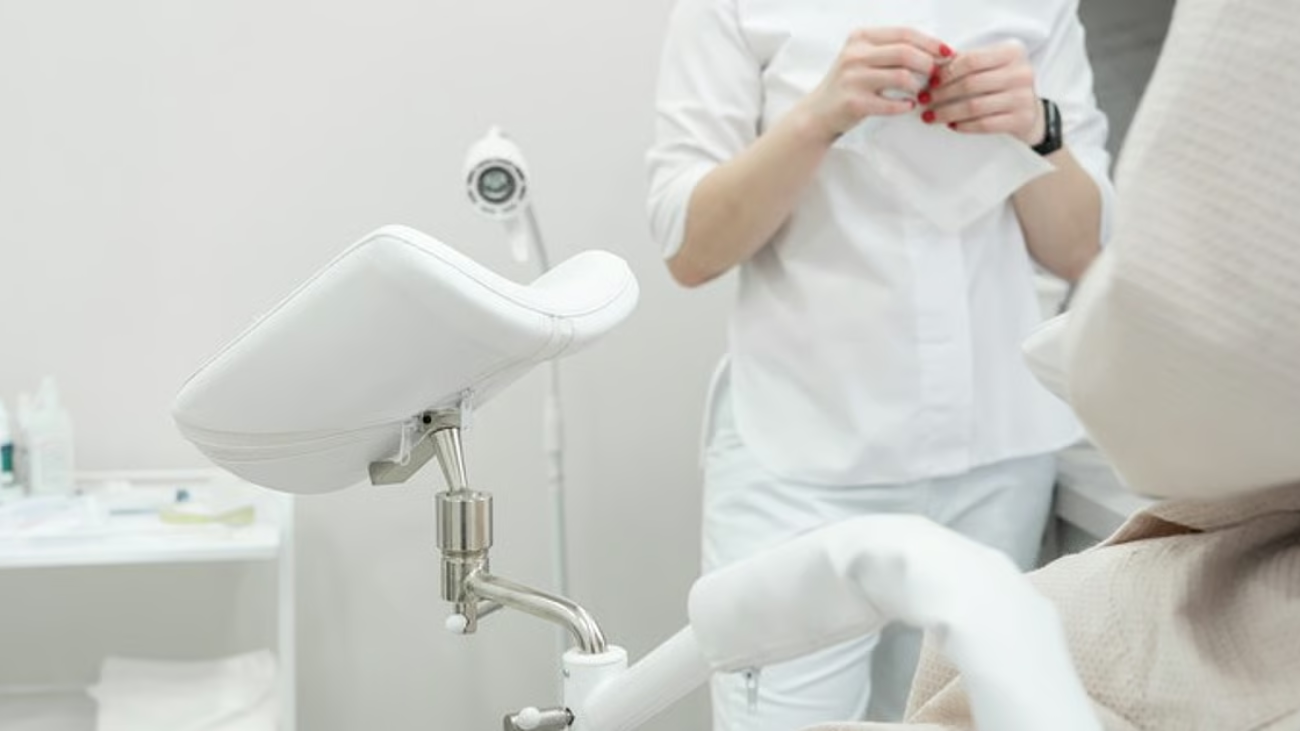

Women’s Intimate Hygiene Tips | Dr. Nitasha Gupta | LaBella

Women’s Intimate Hygiene – The Right Way to Wash & Clean Your Vagina

Women’s Intimate Hygiene – The Right Way to Wash & Clean Your Vagina

Proper intimate hygiene is an important part of every woman’s overall health and comfort. The intimate area is delicate and sensitive, which means it needs gentle care and proper cleaning habits to stay healthy. Many women often feel confused about how to wash the vaginal area correctly, which products are safe to use, and what practices should be avoided.

Using harsh soaps, excessive washing, or strongly fragranced products may disturb the vagina’s natural protective environment. This can lead to irritation, itching, dryness, unpleasant odor, or infections.

At LaBella Cosgyn Chandigarh, Dr. Nitasha Gupta frequently guides women about safe and healthy intimate hygiene practices that help maintain comfort and vaginal wellness without disrupting the body’s natural balance.

This guide explains the right way to clean the intimate area, maintain vaginal hygiene safely, and avoid common mistakes that many women unknowingly make.


What Is Intimate Hygiene?

Intimate hygiene refers to keeping the external genital area clean, healthy, and comfortable. Unlike many other body parts, the vagina naturally maintains its own self-cleaning mechanism and healthy bacterial balance.

This means women do not need aggressive cleaning methods or chemical-heavy products. Instead, gentle care helps support the natural vaginal environment.

The vagina contains healthy bacteria called lactobacilli that help protect against harmful bacteria and infections. These healthy bacteria thrive in a slightly acidic pH environment.

When harsh soaps, douching products, or strong chemicals disturb this balance, women may experience:

  • Vaginal irritation
  • Yeast infections
  • Bacterial vaginosis
  • Dryness
  • Burning sensation
  • Unpleasant odor

Maintaining proper intimate hygiene helps support the natural protective barrier of the vaginal area.


Why Is Women’s Intimate Hygiene Important?

Good intimate hygiene habits help women:

✔ Maintain vaginal freshness and comfort ✔ Prevent infections and irritation ✔ Reduce unpleasant odor ✔ Support healthy vaginal flora ✔ Avoid excess dryness ✔ Improve comfort during menstruation, exercise, and pregnancy

However, it is equally important to understand that the vagina cleans itself naturally. Women only need to clean the outer genital area, also called the vulva.

Washing inside the vagina is unnecessary and may actually increase irritation or infections.


How Often Should Women Clean the Intimate Area?

For most women, washing the intimate area once daily is enough.

During menstruation, excessive sweating, workouts, or hot weather, cleaning twice daily may help maintain comfort and freshness.

Overwashing may remove natural oils and disturb the vaginal environment, which can lead to dryness and irritation.

The ideal hygiene routine depends on:

  • Skin sensitivity
  • Weather conditions
  • Menstrual cycle
  • Physical activity
  • Sweating levels

The Right Way to Wash Your Intimate Area

Step 1: Use Lukewarm Water or a Mild Intimate Wash

Lukewarm water is often enough for regular cleaning.

If you prefer an intimate wash, choose one that is:

  • pH-balanced
  • Fragrance-free
  • Gentle on sensitive skin
  • Free from harsh chemicals and parabens

Avoid using regular body soaps because they may disrupt the natural vaginal pH.


Step 2: Clean the External Area Gently

Use clean hands to gently wash the outer vulvar area.

Focus on cleaning:

  • Labia majora
  • Labia minora
  • Clitoral hood
  • Skin folds around the area

Avoid:

  • Scrubbing
  • Loofahs
  • Harsh rubbing
  • Strong antiseptics

Gentle cleansing is enough to remove sweat, discharge, and residue.


Step 3: Always Wipe From Front to Back

Women should always wipe from front to back after using the toilet.

This helps prevent bacteria from spreading from the anal region to the vagina or urinary tract. This simple habit may reduce the risk of urinary tract infections and bacterial contamination.


Step 4: Dry the Area Properly

After washing, gently pat the area dry with a soft towel.

Excess moisture may encourage fungal infections, especially during humid weather or after sweating.

Choose breathable cotton underwear to help improve airflow and reduce moisture buildup.


Common Intimate Hygiene Mistakes Women Should Avoid

Many women unintentionally damage the natural vaginal environment by over-cleaning or using unsuitable products.

Avoid:

❌ Washing inside the vagina ❌ Douching ❌ Strongly scented soaps ❌ Feminine sprays ❌ Harsh antiseptic products ❌ Tight synthetic underwear ❌ Excessive washing

The vagina naturally cleans itself and usually does not require internal cleansing products.


Intimate Hygiene During Menstruation

Women should pay extra attention to hygiene during periods.

Helpful menstrual hygiene habits include:

✔ Changing pads or tampons every 4–6 hours ✔ Washing gently twice daily ✔ Wearing breathable cotton underwear ✔ Staying hydrated ✔ Avoiding heavily scented products

Good menstrual hygiene helps reduce irritation, odor, and discomfort.


Safe Hair Removal Methods for the Intimate Area

Pubic hair removal is a personal preference. However, certain methods may cause irritation or skin sensitivity if done incorrectly.

Shaving

Advantages:

  • Fast and convenient
  • Easy to do at home

Possible disadvantages:

  • Razor burns
  • Ingrown hair
  • Dark spots
  • Skin irritation

Hair Removal Creams

Advantages:

  • Convenient and painless

Possible disadvantages:

  • Allergic reactions
  • Skin sensitivity
  • Burning sensation

Always perform a patch test before use.


Trimming

Advantages:

  • Lower risk of irritation
  • Helps maintain hygiene comfortably

Possible disadvantages:

  • Requires regular maintenance

Waxing

Advantages:

  • Longer-lasting smoothness
  • Removes hair from the root

Possible disadvantages:

  • Redness
  • Pain
  • Skin sensitivity
  • Temporary irritation

Women with sensitive skin should seek professional guidance before frequent waxing.


When Should You Consult a Gynecologist?

Women should consult a gynecologist if they experience:

  • Persistent itching
  • Burning sensation
  • Unusual vaginal discharge
  • Strong unpleasant odor
  • Pain during intercourse
  • Recurrent infections
  • Ongoing irritation

Professional evaluation helps identify infections, hormonal concerns, or skin conditions early.


Expert Women’s Wellness Care at LaBella Cosgyn Chandigarh

Dr. Nitasha Gupta at LaBella Cosgyn Chandigarh provides confidential women’s wellness consultations, intimate hygiene guidance, cosmetic gynecology care, and vaginal wellness treatments in a safe and respectful environment.

Women from Chandigarh, Mohali, Panchkula, and Zirakpur visit LaBella Cosgyn for personalized women’s wellness support and doctor-led intimate care.


Conclusion

Good intimate hygiene does not require complicated routines or harsh products. Gentle cleansing, healthy habits, breathable clothing, and understanding the body’s natural balance are usually enough to maintain vaginal comfort and wellness.

Women should avoid over-cleaning and harsh chemicals that may disturb the natural vaginal environment. If symptoms persist or discomfort continues, consulting an experienced gynecologist can help ensure safe and effective treatment.


Frequently Asked Questions

How should women clean the vaginal area safely?

Women should gently clean the external vulvar area using lukewarm water or mild pH-balanced cleansers. Washing inside the vagina is unnecessary because the vagina naturally cleans itself.


Is it safe to use intimate washes daily?

Mild pH-balanced intimate washes may be used when necessary. However, excessive use of chemical-based products may disturb the natural vaginal pH balance.


Can poor intimate hygiene cause infections?

Yes. Poor hygiene, excess moisture, harsh soaps, and improper cleaning habits may increase the risk of infections and irritation.


How often should women wash the intimate area?

Most women only need to clean the external intimate area once daily. During menstruation or excessive sweating, twice-daily cleansing may help maintain comfort.


Which products should women avoid in the intimate area?

Women should avoid scented soaps, douching products, harsh antiseptics, and strong chemical-based feminine sprays because they may irritate sensitive vaginal tissues.


Do Cosmetic Gynecology Treatments Affect Sexual Pleasure? What Women Should Know

Do Cosmetic Gynecology Treatments Affect Sexual Pleasure? What Women Should Know

Do Cosmetic Gynecology Treatments Affect Sexual Pleasure? What Women Should Know

As awareness around women’s intimate wellness grows in India, more women are exploring cosmetic gynecology treatments for comfort, confidence, and improved quality of life. One of the most common questions women ask before considering these procedures is:

“Will cosmetic gynecology treatments improve or reduce sexual pleasure?”

The answer depends on several factors including the procedure performed, the experience of the cosmetic gynecologist, individual anatomy, healing, emotional well-being, and realistic expectations.

Modern cosmetic gynecology is not simply about aesthetics. Many treatments are designed to improve intimate comfort, vaginal health, tissue support, sensitivity, and overall women’s wellness. When performed safely and ethically, some procedures may positively influence intimacy and sexual confidence.

At LaBella, every treatment recommendation is medically guided, personalized, and focused on long-term comfort, safety, and patient well-being.


Understanding Cosmetic Gynecology

Cosmetic gynecology includes specialized procedures that improve the appearance, function, or comfort of intimate areas. These treatments may be surgical or non-surgical depending on the patient’s concerns and goals.

Women commonly seek cosmetic gynecology treatments for:

  • Vaginal laxity after childbirth
  • Discomfort during intimacy
  • Vaginal dryness
  • Reduced sensitivity
  • Irritation caused by enlarged labia
  • Menopausal changes
  • Intimate confidence concerns
  • Functional intimate wellness support

Importantly, sexual wellness is influenced by both physical and emotional health. Confidence, comfort, stress levels, relationship dynamics, and self-image all contribute to sexual satisfaction.


1. Labiaplasty and Sexual Comfort

Labiaplasty is one of the most common cosmetic gynecology procedures in India. It reshapes or reduces excess labial tissue that may cause irritation, discomfort, or self-consciousness.

How Labiaplasty May Affect Sexual Pleasure

Possible Benefits

  • Reduced friction and irritation during intimacy
  • Greater comfort during exercise or tight clothing
  • Improved body confidence
  • Better emotional relaxation during intimacy

Possible Risks

When performed incorrectly or too aggressively, excessive tissue removal may affect sensitivity. However, nerve-related complications are uncommon when the procedure is performed by an experienced cosmetic gynecology specialist.

For most women, the biggest improvement is often psychological — feeling more comfortable and confident in their own body.


2. Vaginoplasty and Vaginal Tightening

Vaginoplasty is a surgical procedure designed to tighten vaginal muscles and improve tissue support, especially after childbirth or aging-related changes.

Potential Effects on Sexual Wellness

Positive Outcomes

  • Increased friction during intimacy
  • Improved vaginal support
  • Enhanced confidence
  • Better pelvic floor function in some women

Important Considerations

Over-tightening may lead to discomfort or painful intercourse if not performed carefully. Proper surgical planning and individualized treatment are essential.

A medically guided approach is far more important than aggressive cosmetic correction.


3. O-Shot (PRP Therapy) and Sensitivity

PRP-based intimate wellness treatments such as the O-Shot are increasingly popular among women seeking non-surgical enhancement options.

This procedure uses platelet-rich plasma derived from the patient’s own blood to support tissue rejuvenation and blood circulation.

Women seek O-Shot therapy for:

  • Improved lubrication
  • Better tissue hydration
  • Increased sensitivity
  • Enhanced orgasmic response
  • Mild urinary leakage support

Because PRP stimulates natural healing and circulation, some women report improvements in arousal and intimate comfort over time.

Results, however, vary from person to person.


4. Clitoral Hood Reduction and Intimacy

Clitoral hood reduction removes excess tissue surrounding the clitoris to improve comfort and potentially increase direct stimulation.

Possible Benefits

  • Increased clitoral accessibility
  • Improved stimulation during intimacy
  • Enhanced confidence

Risks to Consider

Like any intimate procedure, surgical precision is critical. Excessive tissue removal or poor technique may negatively affect sensitivity.

Choosing an experienced cosmetic gynecologist is essential for protecting intimate anatomy and nerve structures.


5. Non-Surgical Vaginal Rejuvenation Treatments

Non-surgical intimate wellness procedures are rapidly growing in popularity because they involve minimal downtime and gradual, natural improvements.

These treatments may include:

  • Laser vaginal tightening
  • Radiofrequency therapy
  • PRP rejuvenation
  • Vaginal hydration therapies

Benefits Often Reported by Women

  • Better vaginal hydration
  • Improved comfort
  • Reduced dryness
  • Enhanced tissue support
  • Increased confidence

These procedures are especially popular among postpartum and menopausal women seeking non-invasive solutions.


The Psychological Impact on Sexual Pleasure

Sexual wellness is not only physical.

Women who feel:

  • more confident,
  • emotionally secure,
  • less anxious,
  • and physically comfortable

often experience improved intimacy and relationship satisfaction.

Many women report that cosmetic gynecology treatments improve:

  • self-esteem,
  • body confidence,
  • emotional comfort,
  • and openness during intimacy.

This emotional component is often just as important as physical outcomes.


Important Things Women Should Know Before Treatment

Have Realistic Expectations

Cosmetic gynecology is not a guaranteed solution for sexual satisfaction. Every woman’s anatomy, healing response, and emotional experience are different.

Treatments should focus on:

  • comfort,
  • function,
  • wellness,
  • and confidence —

not unrealistic perfection.


Choose an Experienced Cosmetic Gynecologist

The expertise of the specialist plays a major role in:

  • safety,
  • healing,
  • tissue preservation,
  • and long-term outcomes.

Women should always choose clinics that prioritize:

  • ethical consultation,
  • medically guided recommendations,
  • evidence-based treatment,
  • and patient education.

Understand Recovery Time

Healing is essential for proper results.

Most procedures require temporary avoidance of:

  • intercourse,
  • intense exercise,
  • and pressure on treated areas

for several weeks depending on the procedure performed.


Are Cosmetic Gynecology Treatments Safe?

When performed by qualified cosmetic gynecology specialists using approved medical techniques, these procedures are generally considered safe.

However, like any medical treatment, risks may include:

  • swelling,
  • infection,
  • scarring,
  • discomfort,
  • asymmetry,
  • or sensitivity changes.

Proper consultation and individualized planning help reduce these risks significantly.


Cosmetic Gynecology and Women’s Wellness in India

India is witnessing a major shift in awareness around women’s intimate wellness. More women are openly discussing concerns that were previously ignored due to stigma or embarrassment.

This growing awareness is helping women:

  • prioritize their comfort,
  • seek medically guided care,
  • improve postpartum recovery,
  • address menopausal symptoms,
  • and make informed decisions about intimate wellness.

At LaBella, cosmetic gynecology is approached with privacy, compassion, medical integrity, and patient-centered care.


Final Thoughts

Cosmetic gynecology treatments may positively affect sexual pleasure for some women by improving:

  • comfort,
  • tissue support,
  • confidence,
  • lubrication,
  • and emotional well-being.

However, outcomes depend on:

  • the procedure chosen,
  • medical expertise,
  • realistic expectations,
  • and overall health.

The goal should never be perfection — but rather improved comfort, confidence, and quality of life.

Women considering intimate wellness treatments should always consult experienced cosmetic gynecology specialists who prioritize safety, ethical care, and long-term well-being.


FAQ SECTION 

Can vaginoplasty improve sexual pleasure?

Some women report increased satisfaction due to improved vaginal support and confidence, though results vary individually.

Does labiaplasty reduce sensitivity?

When performed properly by experienced specialists, significant sensitivity loss is uncommon.

Is O-Shot treatment safe?

PRP-based O-Shot treatments are generally considered safe because they use the patient’s own blood-derived growth factors.

Are non-surgical vaginal rejuvenation treatments painful?

Most laser and radiofrequency treatments involve minimal discomfort and little downtime.

How long is recovery after cosmetic gynecology surgery?

Recovery varies depending on the procedure but may range from several days to a few weeks.

Top Female Sexual Enhancement Treatments in India for Intimate Wellness & Confidence

Top Female Sexual Enhancement Treatments in India for Intimate Wellness & Confidence

Introduction: Understanding Female Sexual Wellness

Female sexual wellness is an important part of overall health, comfort, confidence, and quality of life.

Women may experience intimate concerns related to:

  • Vaginal dryness.

  • Pain during intimacy.

  • Hormonal or menopausal changes.

  • Changes after childbirth.

  • Pelvic-floor concerns.

  • Reduced sexual desire.

  • Changes in sensitivity.

  • Urinary leakage.

  • Concerns about intimate appearance.

  • Anxiety or lack of confidence related to sexual health.

These concerns can have different causes. Some may require medical treatment, while others may improve with lifestyle changes, pelvic-floor therapy, hormonal care, counseling, or treatment of an underlying condition.

There is no single treatment that is suitable for every woman, and no procedure can guarantee improved sexual satisfaction.

At LaBella CosGyn, the first step should be a confidential consultation to understand the concern and discuss appropriate options based on medical evaluation.


What Are Female Sexual Enhancement Treatments?

The term female sexual enhancement treatment is used broadly in online searches and may refer to different medical, surgical, non-surgical, or wellness-based approaches.

Depending on the patient’s concern, treatment may involve:

  • Medical evaluation.

  • Hormonal or menopausal care.

  • Vaginal moisturizers or prescribed medication.

  • Pelvic-floor physiotherapy.

  • Sexual health counseling.

  • Treatment for vaginal or vulvar conditions.

  • Selected injectable procedures.

  • Surgical correction when medically indicated.

  • Other treatments recommended after an individualized assessment.

The phrase “sexual enhancement” should not be understood as a promise of increased pleasure or guaranteed results. The purpose of treatment should be clearly explained before any procedure is considered.


What Concerns May Lead a Woman to Seek Treatment?

Women may seek a consultation for:

Vaginal Dryness

Dryness may be associated with hormonal changes, menopause, breastfeeding, certain medications, or other medical conditions.

Pain During Intimacy

Pain during sex may have several causes, including dryness, infection, pelvic-floor muscle problems, skin conditions, hormonal changes, or other gynecological concerns.

Changes After Childbirth

Pregnancy and childbirth may be associated with changes in pelvic-floor function, vaginal comfort, or intimate confidence. These concerns should be evaluated individually.

Reduced Sexual Desire

Low desire can be influenced by hormones, stress, medications, relationship factors, pain, fatigue, and mental health. It should not automatically be treated as a cosmetic concern.

Urinary Leakage

Urinary leakage may require evaluation for pelvic-floor weakness, bladder conditions, infection, or other causes. Treatment should be based on the underlying problem.

Intimate Appearance Concerns

Normal vulvar anatomy varies widely. A consultation may provide education and reassurance, and not every appearance concern requires a procedure.


1. Medical Evaluation for Female Sexual Wellness

Before considering a sexual wellness procedure, a gynecologist should understand the patient’s symptoms and medical history.

An evaluation may include:

  • Menstrual and reproductive history.

  • Pregnancy and childbirth history.

  • Menopausal or hormonal symptoms.

  • Previous surgeries or injuries.

  • Pain, dryness, irritation, or discharge.

  • Urinary symptoms.

  • Medications and medical conditions.

  • Sexual health concerns.

  • Emotional and relationship factors.

  • The patient’s goals and expectations.

The evaluation may identify a condition that can be treated without cosmetic surgery or an injectable procedure.

A proper diagnosis is more important than choosing a particular treatment from an online list.


2. Pelvic-Floor Therapy

Pelvic-floor therapy may be useful for selected women experiencing:

  • Pelvic-floor muscle weakness.

  • Urinary leakage.

  • Pelvic discomfort.

  • Certain postpartum concerns.

  • Muscle tightness or difficulty relaxing the pelvic floor.

  • Some types of pain during intimacy.

Treatment may include:

  • Pelvic-floor exercises.

  • Breathing and relaxation techniques.

  • Muscle coordination training.

  • Posture and movement guidance.

  • Manual therapy when appropriate.

  • Bladder and bowel habit education.

Pelvic-floor therapy is not the right option for every patient. Some women have overactive or painful pelvic-floor muscles, and repeatedly strengthening those muscles without assessment may worsen symptoms.

A qualified pelvic-floor professional can help determine the appropriate approach.


3. Hormonal and Menopause-Related Intimate Care

Hormonal changes may affect vaginal moisture, tissue comfort, sexual desire, sleep, mood, and overall well-being.

Depending on the patient’s symptoms, a doctor may discuss:

  • Vaginal moisturizers.

  • Lubricants.

  • Menopause counseling.

  • Lifestyle support.

  • Treatment for underlying vaginal or vulvar conditions.

  • Prescription hormonal treatment when appropriate.

  • Other evidence-based options.

Hormonal treatment is not suitable for everyone. The decision should be based on medical history, symptoms, risks, and the patient’s individual needs.

Women experiencing persistent dryness, burning, pain, or bleeding should seek medical evaluation rather than assuming that the symptoms are simply part of aging.


4. O-Shot and PRP-Based Intimate Treatments

The O-Shot is a term used for platelet-rich plasma, or PRP, injections marketed for female sexual wellness.

PRP is prepared from the patient’s own blood. It is promoted for concerns such as:

  • Vaginal dryness.

  • Reduced sensitivity.

  • Sexual discomfort.

  • Urinary leakage.

  • Changes in intimate function.

However, PRP-based intimate treatments should not be presented as a guaranteed solution for sexual dysfunction or orgasm-related concerns.

Patients should ask:

  • What specific problem is the treatment intended to address?

  • What clinical evidence supports the treatment?

  • What results can realistically be expected?

  • What are the possible risks?

  • How is the procedure performed?

  • What alternatives are available?

  • What happens if there is no improvement?

The use of a patient’s own blood does not automatically make a treatment risk-free or proven.


5. Injectable Intimate Wellness Treatments

Some clinics offer injectable procedures for selected intimate wellness concerns. These may include treatments marketed for muscle relaxation, tissue support, lubrication, or sexual wellness.

Before considering an injectable treatment, patients should understand:

  • The exact product or substance being used.

  • The intended medical purpose.

  • Whether the use is established for that purpose.

  • Possible side effects.

  • The expected duration of any effect.

  • The need for repeat treatment.

  • Activity restrictions.

  • How complications will be managed.

Patients should not choose an injectable treatment solely because it is advertised as quick, natural, painless, or minimally invasive.


6. Laser and Energy-Based Vaginal Treatments

Laser and radiofrequency treatments are often marketed for vaginal “tightening,” “rejuvenation,” dryness, urinary leakage, and sexual wellness.

However, these treatments require careful evaluation. Evidence varies by device, treatment method, and medical indication. Some energy-based procedures have been associated with complications such as:

  • Burns.

  • Scarring.

  • Pain.

  • Pain during sexual activity.

  • Changes in sensation.

  • Irritation.

  • Persistent symptoms.

The U.S. Food and Drug Administration has warned about serious complications associated with certain uses of energy-based devices, and recent evidence reviews have found uncertainty regarding their effectiveness for several vaginal and menopausal symptoms.

Patients should ask for the exact device name, its intended use, supporting evidence, possible risks, and available alternatives before proceeding.

“Non-surgical” does not automatically mean safe, effective, or appropriate.


7. Vaginal Rejuvenation Treatments

“Vaginal rejuvenation” is a marketing term that may refer to different surgical and non-surgical procedures.

It may include treatments marketed for:

  • Vaginal laxity.

  • Changes after childbirth.

  • Vaginal dryness.

  • Sexual discomfort.

  • Intimate appearance.

  • Pelvic support.

Because the term covers different procedures, patients should not assume that all vaginal rejuvenation treatments have the same purpose, evidence, risks, or recovery time.

A consultation should clarify:

  • The exact condition being treated.

  • Whether the concern has been medically diagnosed.

  • The expected benefits.

  • The limitations of treatment.

  • Potential complications.

  • Alternative treatment options.

  • Whether treatment is necessary.


8. Labiaplasty for Comfort or Appearance Concerns

Labiaplasty is a surgical procedure involving the labial tissue.

Women may consider a consultation because of:

  • Repeated irritation.

  • Discomfort during exercise.

  • Friction from clothing.

  • Pain during certain activities.

  • Concerns following injury or childbirth.

  • Appearance-related concerns.

However, normal labial anatomy varies widely. A consultation should include respectful discussion of anatomy, expectations, possible benefits, risks, and alternatives.

Potential surgical risks may include:

  • Pain.

  • Bleeding.

  • Infection.

  • Scarring.

  • Changes in sensation.

  • Pain during intimacy.

  • Wound-healing problems.

  • The possibility of further treatment.

Labiaplasty should not be recommended simply because a patient does not resemble an idealized image seen online.


9. Surgical Procedures for Specific Medical Concerns

Some surgical procedures may be considered when there is a specific medical indication.

Depending on the concern, procedures may include:

  • Labiaplasty.

  • Revision labiaplasty.

  • Perineoplasty.

  • Vaginoplasty.

  • Repair following injury.

  • Reconstructive procedures.

  • Other gynecological surgery.

Surgery should be discussed only after an appropriate evaluation. Patients should understand the expected recovery, possible complications, and whether non-surgical options may be more suitable.


10. Intimate Wellness Counseling

Sexual wellness is influenced by more than anatomy.

A woman’s experience may be affected by:

  • Stress.

  • Anxiety.

  • Relationship concerns.

  • Pain.

  • Fatigue.

  • Hormonal changes.

  • Medication.

  • Previous negative experiences.

  • Body-image concerns.

  • Mental health.

Counseling or sex therapy may be helpful when emotional, psychological, or relationship factors contribute to the concern.

Seeking counseling does not mean that symptoms are imaginary. It means that sexual wellness is being addressed from a complete, patient-centered perspective.


Are Female Sexual Enhancement Treatments Safe?

Safety depends on:

  • The exact treatment.

  • The patient’s medical history.

  • The qualifications of the provider.

  • The evidence supporting the procedure.

  • The technique used.

  • Infection-control standards.

  • Follow-up and complication management.

Patients should be cautious of clinics or advertisements promising:

  • Guaranteed orgasm.

  • Permanent tightening.

  • Immediate results.

  • Zero risk.

  • No complications.

  • Permanent sexual enhancement.

  • Guaranteed improvement in relationships.

  • Results identical to another person.

A responsible medical consultation should explain both the potential benefits and the limitations of treatment.


Are These Treatments Suitable for Everyone?

No. Treatment may not be appropriate for women who:

  • Have an undiagnosed infection.

  • Have unexplained bleeding.

  • Are experiencing persistent pelvic pain.

  • Have an untreated gynecological condition.

  • Have unrealistic expectations.

  • Are seeking treatment because of external pressure.

  • Are pregnant or may be pregnant, depending on the procedure.

  • Have medical conditions that increase procedural risk.

The final decision should be based on an individual assessment.


How to Choose a Female Sexual Wellness Clinic in India

When choosing a clinic, consider:

  • The qualifications of the treating gynecologist.

  • Experience with the specific procedure.

  • A proper medical evaluation.

  • Clear explanation of risks and alternatives.

  • Privacy and confidentiality.

  • Appropriate infection-control practices.

  • Transparent pricing.

  • Realistic claims.

  • Written aftercare instructions.

  • Follow-up arrangements.

  • A clear plan for managing complications.

Do not choose a clinic only because it uses advanced technology or has attractive promotional images.

The most important question is whether the treatment is medically appropriate for your specific concern.


Questions to Ask Before Treatment

Before proceeding, ask:

  1. What is the exact diagnosis or concern?

  2. What is the purpose of this treatment?

  3. Is the treatment medically necessary?

  4. What evidence supports its use?

  5. What are the possible risks?

  6. What alternatives are available?

  7. How long will recovery take?

  8. Will repeat sessions be needed?

  9. What results are realistic?

  10. What happens if the treatment does not work?

  11. Who will manage complications?

  12. Can I take time to decide?

You should feel comfortable asking questions and choosing not to proceed.


Frequently Asked Questions

What are the best female sexual enhancement treatments in India?

There is no single best treatment for every woman. The appropriate option depends on the concern, medical history, diagnosis, and available evidence.

Can female sexual enhancement treatments improve sexual pleasure?

Some treatments may be considered for specific medical concerns, but no procedure can guarantee improved sexual pleasure. Sexual function is influenced by physical, hormonal, emotional, and relationship factors.

Is vaginal rejuvenation safe?

Safety depends on the exact procedure and device. Some energy-based treatments marketed for vaginal rejuvenation have been associated with serious complications. Patients should discuss evidence, risks, and alternatives before treatment.

Is laser vaginal tightening proven?

Evidence varies by device and medical indication. Patients should not assume that every laser or radiofrequency treatment is proven to improve vaginal tightness, dryness, urinary leakage, or sexual function.

Is the O-Shot scientifically proven?

PRP-based intimate treatments require careful evaluation because evidence varies and benefits are not guaranteed. Patients should ask about the specific indication, research, risks, and alternatives.

Are female sexual wellness injections permanent?

The duration of any effect depends on the exact substance, technique, and individual response. Some treatments may require repeat sessions, and permanent results should not be promised.

Can these treatments help after childbirth?

Some women experience postpartum changes that may benefit from medical evaluation, pelvic-floor therapy, hormonal care, or selected treatment. A procedure should not be recommended without understanding the underlying concern.

Can female sexual enhancement treatments treat vaginal dryness?

Vaginal dryness may have several causes. Treatment may include lubricants, moisturizers, hormonal care, or management of an underlying condition. The appropriate option depends on the patient’s symptoms and medical history.

Can these treatments help with urinary leakage?

Urinary leakage should be evaluated before treatment. Pelvic-floor therapy and other medical options may be appropriate depending on the cause. Cosmetic treatment should not be assumed to treat urinary symptoms.

Are non-surgical treatments completely painless?

No. Non-surgical treatments may cause warmth, discomfort, sensitivity, swelling, bruising, irritation, or other side effects.

How long does recovery take?

Recovery depends on the treatment. Some procedures may involve little scheduled downtime, while surgery may require several weeks of healing and activity restrictions.

How do I know whether I need treatment?

A consultation can help identify the cause of the concern and explain whether treatment, lifestyle changes, counseling, pelvic-floor therapy, medication, or reassurance may be appropriate.


Final Thoughts

Female sexual wellness is an important part of healthcare, but it should not be approached through unrealistic promises or celebrity-inspired expectations.

The right treatment depends on the individual concern, medical evaluation, evidence, risks, and personal goals.

Women should feel comfortable discussing dryness, pain, changes after childbirth, hormonal symptoms, urinary leakage, sexual concerns, and body-image questions with a qualified healthcare professional.

At LaBella CosGyn, patients can seek confidential guidance and learn about available options before making an informed decision.

Call or WhatsApp: 099883 09211

Clinic: SCO 35, With Yes Bank, Shri Balaji Complex, Opp. Domino’s, Dhakoli, Zirakpur, Punjab

Explore cosmetic gynecology: https://labellacosgyn.com/cosmetic-gynecology-india/ 

View treatments: https://labellacosgyn.com/treatments/ 

Contact LaBella CosGyn: https://labellacosgyn.com/contact-us/ 

Woman representing intimate wellness and cosmetic gynecology care at LaBella clinic in Chandigarh

Women’s Health Questions Every Girl Searches (2026) – Periods, PCOS, Intimate Health & More | LaBella Cosgyn

50+ Women’s Health Questions Every Girl in India Is Searching (But Few Ask Openly)

Let’s be real.

From teenage years to motherhood, every girl searches these questions at some point:

  • “Why are my periods irregular?”
  • “Is this normal down there?”
  • “Why does my body feel different after childbirth?”

But most of these questions are:
👉 Googled privately
👉 Rarely discussed openly

At LaBella Cosgyn, Dr. Nitasha Gupta addresses these concerns daily with real patients, not just theory.

👉 https://labellacosgyn.com/
👉 https://labellacosgyn.com/about/


Teenage Questions (Periods, Body Changes, First Concerns)

1. Why are my periods irregular?

Hormonal imbalance is common in early years. It usually stabilizes but needs evaluation if persistent.

2. Is period pain normal?

Mild pain = normal
Severe pain = may indicate underlying issues

3. Why is my cycle different from my friends?

Every body is different—comparison creates unnecessary anxiety.

💡 Insight: Early awareness reduces long-term hormonal disorders risk significantly.


20s & 30s – Most Searched Questions (PCOS, Lifestyle, Intimate Health)

4. What is PCOS and why is it so common?

PCOS is a hormonal condition affecting ovulation, metabolism, and skin.

5. Can PCOS cause weight gain and acne?

Yes—due to insulin resistance and androgen imbalance.

6. Why do I feel discomfort or dryness?

Can be due to:

  • Hormones
  • Stress
  • Lifestyle

📌 Many women ignore these early signs, but they are treatable.


Intimate Health Questions (Most Searched, Least Discussed)

7. Is vaginal tightening normal to consider?

Yes—especially after childbirth or hormonal changes.

8. Why does my body feel different “down there”?

Post-childbirth or aging changes are common.

9. Is it okay to feel uncomfortable talking about this?

Yes—but you shouldn’t avoid treatment because of hesitation.

📌 Cosmetic gynecology focuses on comfort, function, and confidence


Pregnancy & Post-Delivery Questions

10. When should I plan pregnancy?

Depends on health, lifestyle, and fertility factors.

11. Why does my body change after delivery?

Hormonal + structural changes are natural.

12. Can these changes be treated?

Yes—with medical guidance and advanced treatments.

💡 Insight: Postpartum care is the most ignored phase in India, yet most impactful.


Relationship & Confidence Questions

13. Why don’t I feel the same confidence after childbirth?

Body changes + hormonal shifts + emotional factors.

14. Is this common?

Yes—very common, but rarely discussed.

15. Can confidence be restored?

Absolutely—with proper care, support, and treatment.

💡 Second-order insight:
Confidence and physical comfort are deeply linked—impacting relationships and mental health.


Cosmetic Gynecology Questions 

16. What is vaginal rejuvenation?

A treatment to restore vaginal health and function.

17. Is labiaplasty safe?

Yes—when done by qualified doctors.

18. Is this only cosmetic?

No—it is medical care focused on comfort and function

19. Who should consider it?

  • Post childbirth
  • Discomfort
  • Structural concerns

Why Women Across India Trust LaBella Cosgyn

Unlike many clinics:

Doctor-Led Care

All treatments guided by Dr. Nitasha Gupta

Complete Privacy

No judgment, full confidentiality

Personalized Treatment

No generic solutions

👉 https://labellacosgyn.com/cosmetic-gynecology-india/


What Women Globally Are Searching 

Globally, platforms linked with Mayo Clinic show rising searches for:

  • Intimate wellness
  • Postpartum recovery
  • Hormonal health

💡 Trend Insight:
India is following the same curve with a 12–18% rise in intimate health awareness.


Rapid Fire FAQs 

Is it normal to have irregular periods?

Yes initially, but consult if persistent.

Can PCOS be cured?

Not cured, but effectively managed.

Is cosmetic gynecology safe?

Yes, with proper medical guidance.

Should I ignore discomfort?

No—early treatment prevents bigger issues.

Is it okay to talk about intimate health?

Yes—it’s essential for overall well-being.


Final Thought 

Every woman searches these questions.

Few talk about them.

👉 The difference between confusion and confidence
is simply the right information + the right doctor

That’s where LaBella Cosgyn stands.

👉 Book consultation: https://labellacosgyn.com/

No One Talks About This: The Real Reasons Women Choose Cosmetic Gynecology in India (2026)

No One Talks About This: The Real Reasons Women Choose Cosmetic Gynecology in India (2026)

No One Talks About This: The Real Reasons Women Choose Cosmetic Gynecology in India

Let’s be honest—most conversations around cosmetic gynecology in India are either overly clinical… or completely avoided.

But behind closed doors, the reasons women seek these treatments are far more real, emotional, and practical than what Google search results usually show.

At LaBella Cosgyn, led by Dr. Nitasha Gupta, one pattern is clear:

👉 Women are not choosing cosmetic gynecology for “looks”
👉 They are choosing it for comfort, confidence, and control over their bodies


The Truth Most Clinics Don’t Say

Globally, institutions like Cleveland Clinic have already shifted the narrative:

Cosmetic gynecology is functional medicine, not cosmetic vanity

In India, however, the conversation is still catching up.

Reality:
Over 70% of women seeking these treatments report functional discomfort or emotional impact, not aesthetic concerns (CI: 60–80% based on clinical patterns).


Reason #1 – “Something Feels Different After Childbirth”

This is the #1 unspoken reason.

After delivery, many women experience:

  • Reduced tightness
  • Discomfort during movement or intimacy
  • Loss of control or sensation

But here’s the catch:

Most women assume this is “normal” and must be accepted

It’s not.

At LaBella Cosgyn, treatments like:

  • Laser vaginal tightening
  • Vaginal rejuvenation

are designed to restore function—not appearance.

This aligns with evidence-based care principles


Reason #2 – Confidence (Not Vanity)

This is where most blogs get it wrong.

It’s not about:
❌ Looking “better”

It’s about:
✅ Feeling normal again
✅ Regaining body confidence
✅ Emotional comfort

Second-order insight:
Confidence after childbirth directly impacts:

  • Relationship satisfaction
  • Mental well-being
  • Hormonal balance

This is rarely discussed—but clinically very real.


Reason #3 – Relationships & Intimacy

No one searches this openly—but many think about it.

Changes in intimate health can affect:

  • Physical comfort
  • Emotional connection
  • Self-perception

And here’s the deeper truth:

Women don’t seek treatment for someone else
They seek it to feel like themselves again

That shift is what makes clinics like LaBella Cosgyn different—patient-first, not perception-first


Reason #4 – Lack of Awareness (Biggest Gap in India)

In countries like the US, awareness is high due to centers like Mayo Clinic.

In India:

  • Women don’t know options exist
  • Or assume treatments are unsafe
  • Or feel hesitant to ask

Insight:
This creates a massive search opportunity gap—blogs like this rank because they answer unasked questions.


Reason #5 – Medical, Not Cosmetic Needs

Let’s clarify:

Cosmetic gynecology helps with:

  • Vaginal dryness
  • Irritation
  • Structural discomfort
  • Post-delivery recovery

📌 It is a medical extension of gynecology, not a beauty service


Why Women Trust LaBella Cosgyn

At LaBella Cosgyn, the difference is clear:

Doctor-Led Care

Every treatment guided by Dr. Nitasha Gupta

Confidential Environment

No judgment. Full privacy.

Personalized Plans

No packages—only tailored medical care

Explore: https://labellacosgyn.com/


FAQs

1. Is it normal to feel different after childbirth?

Yes—but it doesn’t mean you have to live with discomfort.

2. Is cosmetic gynecology only for looks?

No, it primarily focuses on comfort and function.

3. Is it safe to talk about intimate concerns with a doctor?

Absolutely. Clinics like LaBella ensure full confidentiality.

4. Do these treatments actually help?

Yes, when done using evidence-based medical protocols


Final Thought 

The biggest myth?

👉 “You just have to accept these changes”

The truth?

👉 You have options.
👉 You have control.
👉 And you deserve to feel comfortable in your own body.

That’s what LaBella Cosgyn is built for.

Safety & Confidential Care at LaBella Cosmetic Gynecology Clinic

Safety & Confidential Care at LaBella – Medical Standards, Privacy & Patient Trust

Safety & Confidential Care at LaBella – Medical Standards, Privacy & Patient Trust

When it comes to intimate wellness and cosmetic gynecology, safety and confidentiality are the two most important concerns for women seeking treatment.

At LaBella Cosmetic Gynecology Clinic, every consultation, diagnosis, and procedure is conducted under strict medical safety protocols and privacy frameworks — ensuring patients receive ethical, dignified, and medically responsible care.

Led by
Dr. Nitasha Gupta,
LaBella has established itself as a trusted intimate wellness clinic serving women across Chandigarh, Panchkula, Mohali, Zirakpur, and surrounding regions.

Official website:
https://labellacosgyn.com/


Why Safety Matters in Cosmetic Gynecology

Cosmetic gynecology procedures involve delicate vaginal and vulvar anatomy requiring specialized medical expertise.

Improperly performed treatments can risk:

  • Tissue burns
  • Nerve injury
  • Infection
  • Scarring
  • Functional complications

This is why treatments at LaBella Cosmetic Gynecology Clinic are performed exclusively under gynecologist supervision — not spa or technician setups.


Medical Safety Standards Followed at LaBella

LaBella follows internationally recognized gynecological safety frameworks.


Certified Gynecologist Supervision

All procedures are led by qualified specialists trained in vaginal anatomy, pelvic health, and surgical safety.


FDA-Approved Medical Technologies

Energy-based treatments such as laser vaginal tightening use regulated medical-grade devices designed for controlled tissue interaction.


Sterile Clinical Environment

Surgical and non-surgical treatments are conducted in sanitized, infection-controlled environments.


Evidence-Based Treatment Protocols

Clinical practices align with global standards including:

  • American College of Obstetricians & Gynecologists (ACOG)
  • International Urogynecological Association (IUGA)

External references:


Patient Screening & Pre-Procedure Evaluation

Before any treatment, LaBella Cosmetic Gynecology Clinic conducts medical suitability assessments.


Clinical History Review

Evaluates:

  • Pregnancy status
  • Hormonal health
  • Medical disorders
  • Surgical history

Infection Screening

Active infections must be treated before procedures.


Anatomical Assessment

Ensures correct treatment selection and safety dosing.


Confidential Consultation Framework

Privacy is foundational to the LaBella patient experience.

Consultations are conducted with:

  • One-to-one doctor interaction
  • Private consultation rooms
  • Female support staff
  • No third-party observation

This allows women to discuss intimate concerns without hesitation.

Book confidential consultation:
https://labellacosgyn.com/contact-us/


Patient Data & Medical Privacy Protection

LaBella follows strict confidentiality protocols including:

  • Secure patient records
  • Restricted clinical access
  • Private case documentation
  • Discreet communication practices

Patient identity and treatment details are never disclosed.


Procedure Safety – Surgical & Non-Surgical


Non-Surgical Laser Treatments

Safety ensured through:

  • Controlled energy settings
  • Tissue-specific calibration
  • Gynecologist monitoring

Downtime: Minimal to none.


Surgical Procedures

Includes:

  • Sterile OT protocols
  • Anesthesia safety
  • Minimal incision techniques
  • Post-operative monitoring

All surgical care at LaBella Cosmetic Gynecology Clinic follows gynecological operative safety standards.


Post-Treatment Monitoring & Recovery Care

Patient safety continues beyond procedures.

Follow-up includes:

  • Healing evaluation
  • Infection prevention guidance
  • Activity precautions
  • Long-term outcome monitoring

This ensures complication-free recovery.


Ethical Treatment Counseling

LaBella follows a non-commercial medical philosophy.

Patients receive:

  • Honest suitability guidance
  • Procedure necessity evaluation
  • Alternative options discussion
  • Transparent pricing

Treatments are recommended only when medically appropriate.


Why Women Trust LaBella for Safe Intimate Care

Patients choose LaBella Cosmetic Gynecology Clinic because of:

  • Specialist supervision
  • Medical-grade technology
  • Confidential consultations
  • Ethical treatment planning
  • Evidence-based protocols

Learn about treatments:
https://labellacosgyn.com/treatments/


Locations Served With Confidential Care

Women travel to LaBella from:

  • Chandigarh
  • Panchkula
  • Mohali
  • Zirakpur
  • Dhakoli
  • Dera Bassi

Directions:
https://share.google/BjgGH3MMdnOSmULX3


FAQs – Safety & Confidentiality at LaBella


Are treatments at LaBella safe?

Yes. All treatments follow gynecological safety standards and are specialist supervised.


Is consultation confidential?

Absolutely. Privacy and dignity are strictly maintained.


Are laser vaginal treatments FDA approved?

Medical-grade devices used follow regulated safety protocols.


Is there infection risk?

Risk is minimal due to sterile protocols and screening.


Do patients travel for safe treatment?

Yes. Women visit from across Tricity for trusted care.


Internal Links Cluster

LaBella Clinic Patient Experience – Consultation to Care Guide

LaBella Clinic Patient Experience – What Women Can Expect From Consultation to Care

LaBella Clinic Patient Experience: What Women Can Expect From Consultation to Care

Choosing a clinic for an intimate health concern is both a medical and personal decision. Women may want to feel comfortable discussing sensitive symptoms, understand their treatment options, and receive clear information before making a decision.

At LaBella Cosmetic Gynecology Clinic, the consultation process is intended to help women discuss intimate health concerns in a respectful and private setting. Depending on the concern, care may include medical evaluation, treatment planning, non-surgical care, surgical treatment, supportive care, or referral to another specialist.

The right treatment depends on the individual patient. A consultation does not automatically mean that a procedure will be recommended.

Official website:
LaBella CosGyn


The First Step: A Private Consultation

The patient journey generally begins with a consultation in which the woman can explain her concern and ask questions.

Topics may include:

  • Changes after childbirth
  • Vaginal dryness
  • Pain or discomfort during intercourse
  • Urinary leakage
  • Vulvar discomfort
  • Scar-related concerns
  • Menopause-related symptoms
  • Concerns about intimate appearance
  • Questions about surgical or non-surgical treatment
  • Previous treatment experiences

Patients should feel free to explain their concerns in their own words. They should also be able to ask for clarification if a medical term or treatment recommendation is not clear.

You can contact the clinic through the official appointment page.


What May Be Discussed During the Consultation?

The consultation may include a review of:

  • Medical history
  • Previous surgeries or procedures
  • Pregnancy and childbirth history
  • Menstrual history
  • Menopause status
  • Current medicines
  • Existing medical conditions
  • Previous treatments
  • Allergies
  • Fertility or pregnancy plans
  • Symptoms and their duration
  • Personal expectations from treatment

The doctor may also ask about pain, dryness, irritation, bleeding, urinary symptoms, or discomfort during intimacy.

This information helps the clinician decide whether further examination, testing, medical treatment, pelvic-floor care, or another form of management may be appropriate.


Medical Evaluation Before Treatment Planning

A proper medical assessment is important because similar symptoms may have different causes.

For example:

  • Urinary leakage may be related to pelvic-floor weakness, bladder conditions, childbirth, or hormonal changes.
  • Pain during intercourse may be associated with dryness, infection, pelvic-floor muscle tension, scarring, or another condition.
  • Vaginal irritation may be caused by infection, skin conditions, hormonal changes, or an allergic reaction.
  • Post-childbirth discomfort may involve scar tissue, pelvic-floor changes, or another gynecological concern.

A procedure should not be selected only because it is available or promoted online. The treatment plan should be based on the patient’s symptoms, medical history, examination findings, expectations, and available evidence.


Intimate Health Examination

An examination may be recommended when it is medically necessary.

Before an examination, patients should be informed about:

  • Why the examination is needed
  • What it may involve
  • Who will be present
  • Whether a chaperone is available
  • Whether photographs or records will be taken
  • How consent will be obtained
  • Whether the patient can pause or decline the examination

An examination should be conducted respectfully and only with the patient’s informed consent.

If a patient feels uncomfortable, she should communicate this to the healthcare professional. She may also ask questions before agreeing to any examination or procedure.


Understanding Treatment Options

After the assessment, the doctor may discuss one or more options, including:

  • Medical treatment
  • Pelvic-floor physiotherapy
  • Hormonal or non-hormonal treatment
  • Lifestyle guidance
  • Scar management
  • Non-surgical treatment
  • Surgical treatment
  • Further testing
  • Referral to another specialist
  • Observation or no treatment

The most suitable option may not be a cosmetic procedure. In some cases, education, reassurance, medical management, or pelvic-floor care may be more appropriate.


Treatment Counselling and Informed Consent

Before any treatment, patients should receive clear information about:

  • The exact name of the procedure
  • The purpose of treatment
  • Expected benefits
  • Possible risks
  • Available alternatives
  • Expected recovery
  • Follow-up requirements
  • Potential need for additional treatment
  • The option of choosing no treatment

Informed consent should be specific to the procedure being performed. Patients should ask whether any additional procedure may be carried out and should understand that additional treatment requires separate consent.

A patient should never feel pressured to make an immediate decision about an elective procedure.

Explore the treatments available at LaBella.


Non-Surgical Treatments

Non-surgical treatments may be discussed for selected concerns. The exact treatment depends on the patient’s diagnosis and medical history.

Patients should ask about:

  • The purpose of the treatment
  • The evidence supporting it
  • Possible side effects
  • The number of sessions required
  • Expected recovery
  • Maintenance requirements
  • Alternatives
  • The possibility that symptoms may not improve

Non-surgical does not automatically mean risk-free. Device-based treatments may still involve complications, and patients should receive balanced information before proceeding.

Claims such as “zero risk,” “permanent results,” or “guaranteed improvement” should be treated with caution.


Surgical Procedures

Some women may be considered for a surgical procedure after medical assessment and counselling.

Depending on the concern, procedures may include selected treatments involving:

  • The labia
  • Perineal tissue
  • Scar tissue
  • Reconstructive gynecology
  • Other gynecological structures

Surgical risks may include:

  • Pain
  • Swelling
  • Bleeding
  • Infection
  • Scarring
  • Changes in sensation
  • Pain during intercourse
  • Wound-healing problems
  • Unsatisfactory results
  • Additional surgery

Before surgery, patients should receive information about the procedure, anaesthesia, recovery, restrictions, follow-up, and what to do if complications occur.

Read more about cosmetic gynecology procedures.


Comfort and Privacy During Care

Intimate healthcare requires respectful communication and attention to patient comfort.

Patients may ask about:

  • Privacy during consultation
  • Examination arrangements
  • Chaperone availability
  • Who will perform the procedure
  • Who will be present during treatment
  • Consent documentation
  • Medical-record privacy
  • Photography policies
  • Follow-up communication

The clinic’s exact privacy procedures should be confirmed directly with the clinic before the appointment.

Patients should also feel comfortable asking for a second opinion or postponing treatment if they need more time to decide.


Recovery and Follow-Up

Recovery depends on the treatment performed.

Follow-up may include:

  • Review of healing
  • Discussion of symptoms
  • Hygiene instructions
  • Activity restrictions
  • Medication guidance
  • Wound-care advice
  • Questions about returning to work or exercise
  • Guidance about resuming sexual activity
  • Assessment of treatment response

Patients should follow the instructions provided by their treating clinician and contact the clinic if they experience concerning symptoms such as increasing pain, fever, heavy bleeding, unusual discharge, worsening swelling, or difficulty passing urine.

No treatment can guarantee a particular cosmetic or functional outcome. Follow-up is important for identifying healing concerns and discussing any ongoing symptoms.


Emotional Support and Respectful Communication

Intimate health concerns may affect confidence, relationships, body image, and emotional wellbeing.

Women may feel:

  • Embarrassed about discussing symptoms
  • Worried about being judged
  • Confused by information found online
  • Anxious about an examination
  • Uncertain about whether treatment is necessary
  • Concerned about recovery or complications

A respectful consultation should allow the patient to ask questions without pressure. Where appropriate, the doctor may recommend counselling, pelvic-floor therapy, or another specialist’s support.

Cosmetic treatment should not be presented as the only way to improve confidence, relationships, or sexual wellbeing.


What Women Should Bring to Their Appointment

Patients may find it helpful to bring:

  • Previous medical reports
  • Scan or test reports
  • Details of earlier procedures
  • A list of current medicines
  • Information about allergies
  • A record of symptoms
  • Questions they want to ask
  • Information about pregnancy or fertility plans

Writing down symptoms in advance can help the patient explain when they began, what makes them better or worse, and how they affect daily life.


Questions to Ask Before Choosing Treatment

Before proceeding, ask:

  1. What is the exact name of the treatment?
  2. What concern is it intended to address?
  3. Is treatment medically necessary?
  4. Are there non-surgical alternatives?
  5. What evidence supports the treatment?
  6. What are the possible risks?
  7. What results are realistic?
  8. How long will recovery take?
  9. When can I return to work or exercise?
  10. When can sexual activity be resumed?
  11. What follow-up care is required?
  12. What happens if complications occur?
  13. What happens if I choose not to proceed?
  14. Will any additional procedure be performed?
  15. Can I take time to decide or seek a second opinion?

A trustworthy consultation should make the patient feel informed—not rushed.


The LaBella Patient Journey

The patient journey may generally follow these stages:

Step 1: Consultation

The patient discusses her concern, medical history, symptoms, and expectations.

Step 2: Assessment

The doctor determines whether examination, testing, or further evaluation is needed.

Step 3: Treatment Discussion

The available options, alternatives, risks, limitations, and recovery are explained.

Step 4: Informed Decision

The patient decides whether to proceed, seek another opinion, delay treatment, or choose another form of care.

Step 5: Treatment

If treatment is appropriate, it is performed according to the agreed plan and consent.

Step 6: Recovery and Follow-Up

The patient receives aftercare instructions and follow-up guidance based on the treatment performed.


Why Women May Consider LaBella CosGyn

Women considering LaBella CosGyn should look for:

  • A gynecology-led consultation
  • Clear medical explanations
  • Respectful communication
  • Privacy during intimate discussions
  • Individualized treatment planning
  • Discussion of alternatives
  • Realistic expectations
  • Transparent information about risks
  • Appropriate follow-up
  • Referral when another specialist is needed

The clinic’s current services, clinician qualifications, certifications, equipment, and privacy policies should be confirmed directly before treatment.


LaBella CosGyn for Women From Nearby Areas

LaBella may be accessible to women from:

  • Chandigarh
  • Panchkula
  • Mohali
  • Zirakpur
  • Dhakoli
  • Dera Bassi
  • Nearby areas of Punjab and Haryana
  • Other parts of North India

Women travelling from another city should contact the clinic before planning an appointment. They may need to ask about consultation availability, required reports, examination arrangements, treatment scheduling, and follow-up visits.

Related pages:


Frequently Asked Questions

Is consultation at LaBella confidential?

Patients should confirm the clinic’s privacy and medical-record policies before their appointment. They can ask who will be present, how records are stored, and how consent is handled.

Does every consultation lead to treatment?

No. A consultation may result in reassurance, medical treatment, pelvic-floor care, further testing, referral, observation, or no procedure.

Are cosmetic gynecology treatments painful?

The experience depends on the exact treatment. Non-surgical treatments may cause discomfort, while surgical procedures involve recovery and pain-management planning. Patients should ask about the expected experience before treatment.

How long does a consultation take?

Consultation length depends on the concern, medical history, examination requirements, and questions. Patients should confirm the expected appointment duration directly with the clinic.

Can I bring someone with me?

Patients should ask the clinic whether a support person or chaperone can be present during consultation or examination.

Can I refuse an examination?

Patients should be informed about why an examination is recommended and may ask questions before consenting. They should communicate if they feel uncomfortable or need the examination to pause.

Are non-surgical treatments risk-free?

No. Non-surgical treatments may still cause side effects or complications. Patients should ask about evidence, risks, alternatives, and expected results.

Do women from other cities visit LaBella?

LaBella may be accessible to women from Chandigarh, Panchkula, Mohali, Zirakpur, Dhakoli, Dera Bassi, and nearby areas. Patients travelling from another city should contact the clinic before making arrangements.

Can I seek a second opinion?

Yes. A second opinion is reasonable before an elective surgical or device-based procedure.

What should I do if I am unsure about treatment?

Ask for more information, request time to decide, discuss alternatives, and seek a second opinion if needed. You should never feel pressured to proceed.

How can I book a consultation?

You can contact LaBella through the official contact page to ask about appointment availability and the consultation process.


Final Thoughts

A positive patient experience in intimate healthcare involves more than the treatment itself. It includes privacy, respectful communication, accurate information, informed consent, realistic expectations, and appropriate follow-up.

Women should have the freedom to ask questions, consider alternatives, seek a second opinion, or decide not to proceed.

At LaBella CosGyn, the consultation process should help each patient understand her concern and make a decision based on medical advice, personal goals, and available evidence.

Intimate healthcare should always be approached with dignity, clarity, consent, and respect.


Medical References


Cosmetic Gynecology & Vaginal Rejuvenation in Chandigarh

Why Women Choose LaBella – Trusted Cosmetic Gynecology & Intimate Wellness Clinic

Why Women Choose LaBella Cosmetic Gynecology Clinic

Choosing a clinic for an intimate health concern is a personal decision. Women may want clear medical information, privacy, respectful communication, and enough time to understand their options before deciding whether treatment is necessary.

LaBella Cosmetic Gynecology Clinic focuses on gynecology-led consultations for women who have questions or concerns about intimate comfort, appearance, function, post-childbirth changes, menopause-related symptoms, and selected cosmetic or reconstructive procedures.

The purpose of a consultation should be to understand the concern, identify any underlying medical condition, explain suitable options, and discuss benefits, limitations, risks, and alternatives. A procedure should not be recommended simply because a woman feels pressure to change her body.

LaBella serves women from Chandigarh, Panchkula, Mohali, Zirakpur, Dhakoli, Dera Bassi, and nearby areas. Women from other parts of India may also contact the clinic to understand consultation availability and treatment options.

Official website:
LaBella Cosmetic Gynecology Clinic


A Patient-Centred Approach to Intimate Healthcare

Intimate health concerns can be difficult to discuss. Some women may feel embarrassed, worried about being judged, or uncertain about whether their symptoms are normal.

A patient-centred approach means that the consultation should provide:

  • Respectful and non-judgmental communication
  • Privacy during discussion and examination
  • Clear explanations in understandable language
  • Time to ask questions
  • Discussion of non-surgical alternatives
  • Honest information about risks and limitations
  • Freedom to decide without pressure
  • Referral to another specialist when appropriate

Cosmetic gynecology should not be treated as a replacement for general gynecological care. Symptoms such as pain, unusual discharge, bleeding, urinary leakage, vaginal dryness, or discomfort during intercourse may have medical causes that require diagnosis and treatment.

Learn more about what cosmetic gynecology means.


What Makes LaBella Different?

Gynecology-Led Consultation

A cosmetic gynecology consultation should begin with a medical assessment rather than a direct recommendation for a procedure.

The doctor may discuss:

  • Your main concern
  • When the symptoms began
  • Previous childbirth or surgery
  • Menstrual and hormonal history
  • Menopause-related changes
  • Urinary or pelvic symptoms
  • Previous treatments
  • Current medicines
  • Existing medical conditions
  • Pregnancy or fertility plans
  • Your expectations from treatment

Depending on the concern, the consultation may include an examination, testing, pelvic-floor assessment, or referral to another specialist.

The exact qualifications, experience, and role of the treating clinician should be explained clearly before any procedure.

Privacy and Respect

Privacy is especially important when discussing intimate concerns. A professional clinic should explain how consultations, examinations, medical records, photographs, and treatment information are handled.

Patients should feel comfortable asking:

  • Who will be present during the consultation?
  • Who will perform the examination?
  • How are medical records stored?
  • Will photographs be taken?
  • How will consent be obtained?
  • Can I decline an examination or treatment?
  • Can I bring a support person if permitted?

LaBella’s consultation process should be explained to each patient before examination or treatment.

You can contact the clinic through the official contact page.

Individualized Treatment Planning

No two patients have the same anatomy, medical history, symptoms, expectations, or recovery needs.

Treatment planning may consider:

  • Age
  • Hormonal status
  • Pregnancy and childbirth history
  • Menopause status
  • Tissue condition
  • Previous surgery
  • Medical conditions
  • Current medicines
  • Fertility plans
  • The severity and cause of symptoms
  • The patient’s personal goals

An individualized plan may include treatment, monitoring, lifestyle guidance, pelvic-floor care, medical therapy, or no procedure at all.

Clear Information About Benefits and Risks

A responsible consultation should explain both the potential benefits and the possible limitations of treatment.

Patients should receive information about:

  • The exact procedure
  • The reason it may be recommended
  • Available alternatives
  • Expected results
  • Recovery time
  • Possible complications
  • Follow-up requirements
  • The possibility of additional treatment
  • What may happen if the result is not as expected

No cosmetic gynecology procedure should be described as completely risk-free or guaranteed to improve sexual pleasure, confidence, fertility, or relationships.

Support Across Different Life Stages

Women may seek advice at different stages of life, including:

  • After childbirth
  • During the reproductive years
  • During perimenopause
  • After menopause
  • Before or after gynecological surgery
  • When experiencing pelvic-floor symptoms
  • When considering an intimate procedure

The correct treatment depends on the underlying concern. For example, vaginal dryness may require hormonal or non-hormonal treatment, while urinary leakage may require pelvic-floor assessment rather than a cosmetic procedure.


Concerns Women May Discuss at LaBella

Post-Childbirth Changes

After childbirth, some women notice:

  • Scar discomfort
  • Changes in tissue appearance
  • Pelvic-floor weakness
  • Pain during intercourse
  • Vaginal dryness
  • Urinary leakage
  • A feeling of pressure or heaviness
  • Concerns about changes in intimate function

These symptoms can have different causes. Treatment may include pelvic-floor physiotherapy, medical management, counselling, or selected procedures after assessment.

Not every post-childbirth change requires surgery.

Menopause-Related Symptoms

Hormonal changes during perimenopause and menopause may contribute to:

  • Vaginal dryness
  • Burning or irritation
  • Discomfort during intercourse
  • Changes in tissue elasticity
  • Recurrent urinary symptoms
  • Reduced sexual comfort

Possible treatments may include lubricants, vaginal moisturisers, hormonal treatment when appropriate, pelvic-floor care, or evaluation for another condition.

Read more about cosmetic gynecology and intimate health.

Vulvar Discomfort or Structural Concerns

Some women may experience discomfort caused by:

  • Friction from clothing
  • Irritation during exercise
  • Pulling or pinching
  • Scarring
  • Changes after childbirth
  • A specific structural concern
  • Concerns about labial size or asymmetry

A consultation should distinguish between normal anatomical variation and a condition that may require treatment.

There is no single normal appearance of the vulva. Size, shape, colour, and symmetry vary widely among women.

Pelvic-Floor and Urinary Symptoms

Urinary leakage, pelvic pressure, or discomfort may be related to pelvic-floor weakness, muscle tightness, childbirth, hormonal changes, infection, or other medical conditions.

Depending on the diagnosis, treatment may include:

  • Pelvic-floor physiotherapy
  • Bladder training
  • Lifestyle changes
  • Medicines
  • Treatment of infection
  • Specialist evaluation
  • Selected procedures when clinically appropriate

Urinary leakage should not automatically be treated with a cosmetic or energy-based procedure.

Questions About Intimate Appearance

Women may also seek a consultation because they have questions about:

  • Labial appearance
  • Asymmetry
  • Changes after childbirth
  • Changes associated with aging
  • Scarring
  • Concerns caused by online images or social media

The consultation should include reassurance about normal anatomical variation and a discussion of whether any treatment is genuinely appropriate.


Treatments and Services

The treatments available at LaBella should be confirmed directly with the clinic. Cosmetic gynecology may include different surgical, non-surgical, medical, or supportive approaches.

Surgical Procedures

Selected surgical procedures may be discussed for specific structural or functional concerns.

Depending on the patient’s condition, examples may include:

  • Labiaplasty
  • Selected perineal procedures
  • Scar-related procedures
  • Reconstructive procedures
  • Other gynecological surgery when medically indicated

Surgery may involve risks such as:

  • Pain
  • Bleeding
  • Infection
  • Swelling
  • Scarring
  • Changes in sensation
  • Pain during intercourse
  • Wound-healing problems
  • Unsatisfactory results
  • Additional surgery

Read more about cosmetic gynecology procedures.

Non-Surgical Options

Non-surgical care may include:

  • Medical treatment for dryness or irritation
  • Lubricants and moisturisers
  • Pelvic-floor physiotherapy
  • Hormonal treatment when appropriate
  • Lifestyle guidance
  • Treatment of an underlying infection
  • Counselling or psychosexual support
  • Selected device-based treatments after careful assessment

Non-surgical does not automatically mean risk-free. Energy-based vaginal treatments may have potential complications, including burns, scarring, pain, and worsening symptoms. Patients should ask about the evidence, regulatory status, alternatives, and risks of any device-based treatment.

Read more about non-surgical versus surgical cosmetic gynecology.

Medical and Non-Procedural Care

In some cases, the most appropriate recommendation may be:

  • Reassurance
  • Education
  • Observation
  • Pelvic-floor therapy
  • Medical treatment
  • Hormonal management
  • Treatment of an infection
  • Referral to another specialist

A consultation does not have to result in a procedure.


Why Medical Assessment Comes First

Many symptoms associated with intimate health can have more than one cause.

For example:

  • Pain during intercourse may be related to dryness, infection, endometriosis, pelvic-floor dysfunction, or another condition.
  • Urinary leakage may be related to pelvic-floor weakness, bladder problems, infection, or other causes.
  • Vaginal irritation may be caused by infection, skin conditions, hormonal changes, or an allergic reaction.
  • Changes after childbirth may involve pelvic-floor muscles, scar tissue, hormonal changes, or structural concerns.

Treating the appearance of an area without identifying the cause of symptoms may delay appropriate care.

A proper assessment helps determine whether the concern requires:

  • General gynecological treatment
  • Hormonal management
  • Pelvic-floor care
  • Medical testing
  • Surgical treatment
  • Non-surgical treatment
  • Psychological or relationship support
  • Referral to another specialist

What Happens During a LaBella Consultation?

A consultation may include:

  1. Discussion of your main concern.
  2. Review of your medical and surgical history.
  3. Discussion of childbirth, menstruation, menopause, or fertility plans.
  4. Review of previous treatments and medicines.
  5. Assessment of pain, irritation, bleeding, urinary, or sexual symptoms.
  6. Examination or testing when clinically necessary.
  7. Explanation of possible causes.
  8. Discussion of treatment and non-treatment options.
  9. Review of risks, recovery, and expected outcomes.
  10. Time for questions before making a decision.

Patients should receive enough information to make an informed choice. It is reasonable to request time to think, seek a second opinion, or return for another consultation.


Questions to Ask Before Choosing Treatment

Before undergoing any cosmetic gynecology procedure, ask:

  • What is the exact name of the procedure?
  • What concern is it intended to address?
  • Is there a medical reason for recommending it?
  • Are there non-surgical alternatives?
  • What evidence supports the treatment?
  • What are the possible risks?
  • What results are realistic?
  • How long will recovery take?
  • When can I return to work or exercise?
  • When can sexual activity be resumed?
  • What follow-up care will be required?
  • What happens if I experience complications?
  • What happens if I am dissatisfied with the result?
  • What are the total costs?
  • Is the procedure suitable if I plan to become pregnant?
  • What qualifications and experience does the treating clinician have?
  • Can I take time before deciding?

A trustworthy clinic should answer these questions clearly and without pressure.


LaBella’s Service Areas

LaBella is accessible to women seeking consultation from:

  • Chandigarh
  • Panchkula
  • Mohali
  • Zirakpur
  • Dhakoli
  • Dera Bassi
  • Nearby areas of Punjab and Haryana
  • Other parts of North India

Women travelling from another city should contact the clinic in advance to understand consultation availability, required medical records, examination arrangements, treatment planning, and follow-up requirements.

Explore the local pages:


Frequently Asked Questions

Why do women choose LaBella?

Women may choose LaBella to discuss intimate health concerns in a private, respectful, gynecology-led setting. The consultation should focus on understanding the concern, explaining options, and recommending treatment only when appropriate.

Is LaBella a certified medical clinic?

Patients should contact LaBella directly to confirm clinic registration, clinician qualifications, applicable certifications, and the procedures currently offered. Certification claims should always be supported by verifiable documentation.

Are LaBella consultations confidential?

The clinic should explain its privacy and medical-record policies during the appointment. Patients can ask who will be present, how records are stored, whether photographs are required, and how consent is obtained.

Does every consultation lead to treatment?

No. A consultation may result in reassurance, education, medical treatment, pelvic-floor care, further testing, referral, or no procedure.

Are cosmetic gynecology treatments safe?

Safety depends on the exact procedure, the patient’s health, the clinician’s qualifications, the equipment used, and the quality of follow-up care. No procedure should be described as completely risk-free.

Does non-surgical mean risk-free?

No. Non-surgical treatments can still cause complications. Patients should ask about evidence, risks, alternatives, regulatory status, and expected outcomes before choosing a treatment.

Can cosmetic gynecology improve sexual pleasure?

There is no guarantee that a cosmetic procedure will improve sexual pleasure or satisfaction. Sexual concerns may involve pain, hormones, pelvic-floor function, emotional health, medications, or relationship factors.

Can LaBella help with post-childbirth concerns?

A consultation may help assess concerns such as scar discomfort, pelvic-floor symptoms, tissue changes, dryness, or pain during intercourse. Treatment depends on the cause and may not require surgery.

Can LaBella help with menopause-related symptoms?

Women may discuss symptoms such as dryness, irritation, painful intercourse, or tissue changes. Depending on the cause, treatment may include moisturisers, lubricants, hormonal treatment, pelvic-floor care, or other medical options.

Do women from other cities visit LaBella?

LaBella is accessible to women from Chandigarh, Panchkula, Mohali, Zirakpur, Dhakoli, Dera Bassi, and nearby areas. Patients travelling from other cities should contact the clinic before planning an appointment.

What should I bring to my consultation?

Bring previous medical reports, details of earlier treatments, a list of medicines, relevant scan reports, and information about your symptoms. You may also write down your questions before the appointment.

Can I take a second opinion?

Yes. Patients should feel free to seek a second opinion before undergoing an elective procedure, especially if surgery or a device-based treatment is being considered.

How can I book a consultation at LaBella?

You can contact LaBella through the official contact page to ask about consultation availability and the next steps.


Contact LaBella

If you have questions about intimate comfort, post-childbirth changes, menopause-related symptoms, or cosmetic gynecology procedures, a consultation can help you understand the available options.

Contact LaBella Cosmetic Gynecology Clinic:
Book a consultation

Official website:
https://labellacosgyn.com/


Final Thoughts

Choosing a cosmetic gynecology clinic should involve more than comparing procedures or promotional claims.

Women should look for:

  • Qualified medical professionals
  • Clear explanations
  • Privacy and respectful communication
  • Individualized assessment
  • Realistic expectations
  • Transparent information about risks
  • Discussion of alternatives
  • Appropriate follow-up care
  • Freedom to make an informed decision

At LaBella, the consultation should help women understand their concerns and make decisions based on medical advice, personal goals, and available evidence.

The right treatment is not necessarily the newest or most heavily advertised option. It is the option that is appropriate for the individual patient, clearly explained, and chosen without pressure.


Medical References

  1. American College of Obstetricians and Gynecologists: Elective Female Genital Cosmetic Surgery
  2. American College of Obstetricians and Gynecologists: Vaginal Rejuvenation, Labiaplasty, and Other Female Genital Cosmetic Surgery
  3. American College of Obstetricians and Gynecologists: Vaginal Laser Therapy for Vaginal Problems
  4. U.S. Food and Drug Administration: Energy-Based Devices Marketed for Vaginal Rejuvenation
  5. LaBella Cosmetic Gynecology Clinic
O-Shot Treatment in Chandigarh

Treatments Offered at LaBella: Cosmetic Gynecology and Intimate Wellness Care

Treatments Offered at LaBella: Cosmetic Gynecology and Intimate Wellness Care

LaBella Cosmetic Gynecology Clinic provides consultations and treatment planning for women seeking help with intimate discomfort, postpartum changes, anatomical concerns, sexual-health concerns, and selected cosmetic or reconstructive procedures.

Led by Dr. Nitasha Gupta, LaBella serves women from Chandigarh, Panchkula, Mohali, Zirakpur, Dhakoli, Dera Bassi, and other parts of India.

Treatment suitability depends on the patient’s symptoms, medical history, examination findings, expectations, and the availability of an appropriate clinical option. Not every concern requires a procedure, and some symptoms may be better managed through medication, pelvic-floor therapy, counselling, lifestyle changes, or another gynecological treatment.

Explore the main treatment hub:
https://labellacosgyn.com/treatments/


What Does Cosmetic Gynecology Include?

Cosmetic gynecology is a broad term used for procedures involving the external genital area, vaginal tissues, or perineum. Depending on the patient’s concern, treatment may be cosmetic, reconstructive, functional, or a combination of these.

The term is sometimes used to describe procedures such as:

  • Labiaplasty
  • Perineoplasty
  • Vaginoplasty
  • Selected scar-revision procedures
  • Treatment planning for postpartum anatomical changes
  • Certain non-surgical intimate wellness treatments

The phrase “vaginal rejuvenation” is not a single standardized medical procedure. It may refer to different surgical or energy-based treatments, each with different indications, risks, limitations, and evidence.

A consultation should therefore begin with the actual concern rather than with a predetermined procedure.

Learn more about cosmetic gynecology in India:
https://labellacosgyn.com/cosmetic-gynecology-india/


Treatment Categories at LaBella

Depending on clinical assessment and availability, LaBella’s services may include:

  1. Consultation and intimate health evaluation
  2. Surgical cosmetic or reconstructive procedures
  3. Selected non-surgical intimate wellness treatments
  4. Postpartum and perineal-care assessment
  5. Follow-up and recovery guidance

The exact treatment recommended, if any, should be confirmed during a consultation.


Consultation and Intimate Health Evaluation

A consultation is the first step for understanding whether a treatment is appropriate.

During the appointment, the clinician may discuss:

  • The main concern and when it began
  • Previous pregnancies and childbirth history
  • Previous surgeries or injuries
  • Menstrual and hormonal history
  • Pain, dryness, irritation, or discomfort
  • Urinary symptoms
  • Sexual-health concerns
  • Current medicines and medical conditions
  • Previous treatments and their results
  • Personal expectations and treatment goals

An examination may be recommended when clinically necessary. It should be explained beforehand, and the patient should have the opportunity to ask questions and provide consent.

Some symptoms that appear to be cosmetic may have an underlying medical cause. For example, pain, dryness, burning, urinary leakage, or changes after childbirth may require a general gynecological assessment before any cosmetic procedure is considered.


Surgical Treatments Offered at LaBella

Surgical treatment may be considered when a patient has a specific anatomical concern, persistent discomfort, a scar-related problem, or another appropriate clinical indication.

The suitability of surgery depends on the examination, medical history, expected benefits, possible risks, and alternative options.

Labiaplasty

Labiaplasty is a surgical procedure that changes the size or shape of the labia minora. It may be discussed when a patient experiences symptoms such as:

  • Recurrent rubbing or irritation
  • Discomfort during exercise
  • Discomfort while wearing certain clothing
  • Symptoms associated with a previous injury
  • A specific concern about asymmetry or appearance

Labial size and shape vary naturally. There is no single appearance that is considered normal, and asymmetry alone does not necessarily indicate a medical problem.

A consultation should explain what surgery can and cannot change. Possible risks may include pain, bleeding, infection, scarring, altered sensation, painful intercourse, dissatisfaction with the result, or the need for additional surgery.

Related information:
https://labellacosgyn.com/cosmetic-gynecology-procedures/


Perineoplasty

Perineoplasty involves surgical treatment of the perineum, the area between the vaginal opening and anus. It may be considered for selected scar-related, anatomical, or postpartum concerns.

Depending on the clinical findings, the discussion may include:

  • Previous childbirth injury
  • Scar discomfort
  • Changes in the perineal area
  • Localized tissue concerns
  • Symptoms during movement or intimacy

Perineoplasty is not automatically appropriate for every postpartum concern. The clinician should assess whether the symptoms are related to scar tissue, pelvic-floor dysfunction, vaginal dryness, infection, or another cause.


Vaginoplasty or Vaginal Tightening Surgery

Vaginoplasty is a surgical procedure involving the vaginal canal. It may be discussed in selected cases involving an anatomical or reconstructive concern.

The term “vaginal tightening” is used in advertising for different procedures, so patients should ask:

  • What exact procedure is being proposed?
  • What anatomical problem is it intended to address?
  • Is the goal cosmetic, reconstructive, or functional?
  • What are the alternatives?
  • What are the possible complications?
  • What restrictions apply during recovery?
  • What evidence supports the expected outcome?

Surgery should not be presented as a guaranteed way to improve sexual pleasure, libido, body image, or relationship satisfaction. ACOG recommends clear counselling about the limited evidence and possible complications associated with female genital cosmetic surgery. <Cite ref=”turn0search0″ /><Cite ref=”turn0search1″ />


Scar Revision and Postpartum Perineal Care

Some women experience persistent discomfort or concerns related to childbirth scars, episiotomy scars, tears, or changes in the perineal area.

Depending on the examination, management may include:

  • Observation and reassurance
  • Scar-care advice
  • Treatment of infection or inflammation
  • Pelvic-floor therapy
  • Lubrication or hormonal treatment when appropriate
  • Counselling
  • Surgical scar revision in selected cases

The recommended approach depends on the cause of the symptoms. A procedure should not be selected solely because a patient wants to return to a particular appearance.


Non-Surgical Intimate Wellness Treatments

Non-surgical treatments are often marketed as quick solutions for vaginal laxity, dryness, urinary leakage, or sexual concerns. However, the term “non-surgical” does not automatically mean risk-free, clinically proven, or suitable for every patient.

Before considering an energy-based treatment, patients should ask about:

  • The exact device and treatment indication
  • Whether the device is authorized for the proposed use
  • Available clinical evidence
  • Possible short-term and long-term risks
  • Alternative treatments
  • Expected number of sessions
  • Follow-up requirements
  • What happens if symptoms do not improve

ACOG reports that the FDA has not approved laser or other energy-based treatments for vaginal cosmetic surgery, menopause symptoms, urinary incontinence, or sexual problems. Reported risks include burns, scarring, pain during sex, and long-lasting pain. <Cite ref=”turn0search1″ /><Cite ref=”turn0search2″ />

Vaginal Laser or Energy-Based Treatments

Some clinics use terms such as:

  • Laser vaginal tightening
  • Vaginal rejuvenation
  • Vaginal tissue therapy
  • Intimate laser treatment
  • Non-surgical vaginal treatment

These terms may describe different technologies and protocols. They should not be treated as interchangeable.

LaBella should confirm the exact device, regulatory status, intended indication, clinical evidence, and current availability before making a specific treatment claim on this page.

Avoid presenting these treatments as guaranteed methods for:

  • Restoring vaginal tone
  • Improving lubrication
  • Treating urinary incontinence
  • Increasing sexual pleasure
  • Reversing ageing
  • Restoring pre-pregnancy anatomy

Women experiencing dryness, painful intercourse, urinary leakage, or vaginal discomfort should first receive an appropriate gynecological evaluation.


Post-Pregnancy and Postpartum Intimate Care

Pregnancy and childbirth can be associated with changes in:

  • The perineal area
  • Scar tissue
  • Pelvic-floor muscles
  • Vaginal comfort
  • Sexual function
  • Urinary control
  • Vaginal lubrication
  • Body image and confidence

Not every postpartum change requires treatment. Some concerns improve with time, pelvic-floor rehabilitation, lubrication, hormonal treatment, or other conservative care.

A postpartum consultation may help identify whether the concern is related to:

  • Scar tissue
  • Pelvic-floor weakness
  • Pelvic-floor overactivity
  • Vaginal dryness
  • Infection or inflammation
  • Pelvic-organ prolapse
  • Urinary incontinence
  • A specific anatomical change

Where a procedure is being considered, the clinician should discuss timing after childbirth, breastfeeding or hormonal status, future pregnancy plans, recovery, and possible alternatives.


Concerns That May Be Discussed During Consultation

Women may contact LaBella about:

  • Labial discomfort or asymmetry
  • Irritation during exercise
  • Postpartum scar concerns
  • Perineal discomfort
  • Vaginal dryness
  • Pain during intercourse
  • Changes in intimate sensation
  • Urinary leakage
  • Concerns about vaginal or vulvar appearance
  • Questions about cosmetic gynecology
  • Questions about surgical and non-surgical options

These symptoms do not automatically mean that cosmetic gynecology is required. A medical evaluation is important because similar symptoms can have different causes and treatments.


Safety and Informed Decision-Making

A responsible treatment decision should include:

Medical Assessment

The clinician should review relevant symptoms, medical history, previous procedures, pregnancy status when applicable, medicines, allergies, and possible contraindications.

Clear Explanation of Options

Patients should be told whether the concern may be managed with:

  • Reassurance
  • Medication
  • Lubricants or moisturizers
  • Pelvic-floor therapy
  • Counselling
  • Hormonal treatment when appropriate
  • Observation
  • Surgery
  • Another specialist referral

Discussion of Risks

Depending on the procedure, possible risks may include:

  • Pain
  • Bleeding
  • Infection
  • Scarring
  • Altered sensation
  • Pain during intercourse
  • Delayed healing
  • Unsatisfactory cosmetic results
  • Recurrence of symptoms
  • Additional treatment or surgery

Informed Consent

Before treatment, the patient should understand:

  • The purpose of the procedure
  • What it can realistically achieve
  • What it cannot guarantee
  • Available alternatives
  • Expected recovery
  • Possible complications
  • Follow-up requirements
  • The option to decline treatment

ACOG recommends shared decision-making, informed consent, realistic expectations, and appropriate training for clinicians performing genital cosmetic procedures. <Cite ref=”turn0search0″ />


What Patients Should Ask Before Choosing a Treatment

Before proceeding, consider asking:

  1. What is the exact name of the procedure?
  2. What concern is it intended to address?
  3. Is the procedure cosmetic, reconstructive, or medically indicated?
  4. Are there non-procedural alternatives?
  5. What evidence supports the expected benefit?
  6. What are the common and serious risks?
  7. What qualifications and experience does the clinician have?
  8. How many procedures of this type does the clinician perform?
  9. What is the expected recovery period?
  10. What follow-up care is included?
  11. What happens if the result is unsatisfactory?
  12. What costs may be involved?
  13. Is the treatment available at the clinic currently?
  14. Is the device or technology authorized for the proposed use?

Why Consider LaBella for Cosmetic Gynecology Consultation?

Women may consider LaBella when they want to discuss an intimate concern in a gynecology-focused setting.

The consultation approach should include:

  • A private discussion of the patient’s concerns
  • Review of relevant medical history
  • Assessment before recommending a procedure
  • Explanation of available options
  • Discussion of benefits and limitations
  • Clear information about risks and recovery
  • Respect for patient consent and personal preferences
  • Follow-up planning when treatment is undertaken

LaBella does not replace general gynecological care, emergency care, or specialist treatment when another medical condition is suspected.

Learn more about the clinic:
https://labellacosgyn.com/about/

Read about safety and confidential care:
https://labellacosgyn.com/safety-confidential-care-at-labella/


Areas Served by LaBella

LaBella Cosmetic Gynecology Clinic serves women seeking consultation from:

  • Chandigarh
  • Panchkula
  • Mohali
  • Zirakpur
  • Dhakoli
  • Dera Bassi
  • Other parts of the Tricity region
  • Other cities in India, subject to appointment availability

Please confirm the current clinic location, consultation availability, and travel details before visiting.

Contact LaBella:
https://labellacosgyn.com/contact-us/


Frequently Asked Questions

Are all treatments at LaBella suitable for every woman?

No. Treatment suitability depends on the patient’s symptoms, medical history, examination findings, expectations, and possible alternatives. A consultation is required before deciding whether a procedure is appropriate.

Are cosmetic gynecology treatments medically necessary?

Some procedures may be considered for selected clinical, reconstructive, or symptom-related concerns. Procedures performed only to change appearance are generally elective. The clinician should explain whether the proposed treatment has a medical indication.

Are non-surgical vaginal treatments risk-free?

No. Non-surgical does not mean risk-free. Energy-based vaginal treatments may have important limitations and potential complications. Patients should ask about the exact device, intended use, evidence, regulatory status, and alternatives.

Can laser treatment treat urinary leakage?

Urinary leakage should be assessed by a qualified gynecologist or appropriate specialist. Do not assume that a laser or energy-based treatment is an established treatment for incontinence. Pelvic-floor therapy, lifestyle measures, medicines, or other treatments may be more appropriate depending on the cause.

How long do results last?

There is no single duration that applies to all procedures. Results vary according to the treatment, the patient’s anatomy, healing, hormonal changes, future childbirth, and other factors. LaBella should provide procedure-specific information during consultation rather than promise a fixed duration.

Is consultation confidential?

LaBella should explain its current privacy and confidentiality practices during booking and consultation. Patients can ask who will be present, how records are handled, and whether they can request a private consultation.

How long does a consultation take?

Consultation length varies depending on the patient’s concerns, medical history, examination requirements, and questions. Patients should confirm the expected appointment duration when booking.

Can I visit after childbirth?

A postpartum consultation may be appropriate when a woman has persistent discomfort, scar concerns, urinary symptoms, or other changes. The timing of assessment depends on delivery history, healing, breastfeeding or hormonal status, and the concern being evaluated.

Does every concern require surgery?

No. Depending on the cause, treatment may include reassurance, medication, pelvic-floor therapy, lubrication, hormonal treatment, counselling, observation, or referral to another specialist.

How can I book a consultation?

You can contact LaBella through the clinic’s contact page:

https://labellacosgyn.com/contact-us/


Related LaBella Resources


Medical References

  1. American College of Obstetricians and Gynecologists. Elective Female Genital Cosmetic Surgery.
    https://www.acog.org/clinical/clinical-guidance/committee-opinion/articles/2020/01/elective-female-genital-cosmetic-surgery
  2. American College of Obstetricians and Gynecologists. Vaginal Rejuvenation, Labiaplasty, and Other Female Genital Cosmetic Surgery.
    https://www.acog.org/womens-health/faqs/vaginal-rejuvenation-labiaplasty-and-other-female-genital-cosmetic-surgery
  3. American College of Obstetricians and Gynecologists. I’ve Heard About Vaginal Laser Therapy for Vaginal Problems. What Is It?
    https://www.acog.org/womens-health/experts-and-stories/ask-acog/vaginal-laser-therapy-what-is-it
Morpheus8V Vaginal Rejuvenation

What Is LaBella Cosmetic Gynecology Clinic?

What Is LaBella Cosmetic Gynecology Clinic? – Intimate Wellness & Advanced Care Explained

LaBella Cosmetic Gynecology Clinic is a specialized women’s intimate wellness and aesthetic gynecology center focused on restoring comfort, confidence, and functional health through medically guided treatments.

Founded and led by
Dr. Nitasha Gupta,
LaBella Cosmetic Gynecology Clinic has emerged as a trusted destination for women seeking confidential, ethical, and evidence-based intimate care across India and the Tricity region.

Official website:
https://labellacosgyn.com/


Understanding Cosmetic Gynecology at LaBella

Cosmetic gynecology is an evolving medical field that combines reconstructive gynecology, functional vaginal therapies, and aesthetic procedures to improve both physical comfort and emotional well-being.

At LaBella Cosmetic Gynecology Clinic, treatments are performed under gynecologist supervision — ensuring safety, anatomical precision, and medically responsible outcomes.

Explore services:
https://labellacosgyn.com/cosmetic-gynecology-india/


Why LaBella Cosmetic Gynecology Clinic Was Established

LaBella was founded to bridge the gap between traditional gynecology and intimate wellness care.

Many women experience concerns such as:

  • Vaginal laxity after childbirth
  • Intimate dryness
  • Urinary leakage
  • Labial hypertrophy
  • Pain during intimacy

Yet hesitate to seek treatment due to stigma or lack of specialized clinics.

LaBella Cosmetic Gynecology Clinic was created to provide a private, judgment-free medical environment dedicated exclusively to women’s intimate health.


Treatments Offered at LaBella Cosmetic Gynecology Clinic

LaBella provides a full spectrum of cosmetic and functional gynecological procedures.

Visit treatments hub:
https://labellacosgyn.com/treatments/


Vaginal Tightening (Laser & Surgical)

Improves vaginal tone, elasticity, and post-delivery tissue laxity.


Labiaplasty

Reshapes enlarged or asymmetric labia for functional and aesthetic comfort.


Vaginal Rejuvenation

Enhances lubrication, collagen regeneration, and tissue vitality.


Urinary Incontinence Therapy

Non-surgical laser therapies improve mild stress urinary leakage.


Mommy Makeover (Intimate)

Post-pregnancy restorative intimate procedures.

All procedures at LaBella Cosmetic Gynecology Clinic follow international gynecological safety protocols.


Who Should Visit LaBella Cosmetic Gynecology Clinic?

Women commonly consult LaBella for:

  • Post-childbirth body changes
  • Menopause-related vaginal dryness
  • Intimate discomfort
  • Cosmetic concerns
  • Sexual wellness improvement

Patients travel from:

  • Chandigarh
  • Panchkula
  • Mohali
  • Zirakpur
  • Dhakoli
  • Dera Bassi

Directions & map:
https://share.google/BjgGH3MMdnOSmULX3


What Makes LaBella Cosmetic Gynecology Clinic Different


Gynecologist-Led Treatments

Unlike spa-based intimate procedures, LaBella treatments are medically supervised.


Confidential Consultation Model

Private consultation rooms ensure dignity and discretion.


Evidence-Based Protocols

Procedures follow global clinical standards including:

  • ACOG guidelines
  • IUGA safety frameworks

External reference:
https://www.acog.org/


Personalized Treatment Planning

Every procedure is tailored based on anatomy, goals, and medical history.


The LaBella Philosophy – Intimate Wellness as Healthcare

LaBella Cosmetic Gynecology Clinic approaches intimate wellness as a functional medical necessity — not merely aesthetic enhancement.

Clinical focus areas include:

  • Tissue function
  • Hormonal impact
  • Pelvic health
  • Psychological confidence

This integrative model improves both physical comfort and emotional well-being.


Consultation Process at LaBella

Step-wise evaluation includes:


Medical Assessment

Detailed gynecological examination.


Treatment Counseling

Procedure suitability discussion.


Safety Screening

Infection, pregnancy, and medical contraindication checks.


Procedure Planning

Customized treatment roadmap.

Book consultation:
https://labellacosgyn.com/contact-us/


Patient Trust & Clinical Credibility

Women trust LaBella Cosmetic Gynecology Clinic for:

  • Ethical medical care
  • Transparent counseling
  • Confidential treatment environment
  • Advanced technology
  • Specialist supervision

About clinic:
https://labellacosgyn.com/about/


Global Rise of Cosmetic Gynecology

Cosmetic gynecology demand has increased globally due to:

  • Postpartum recovery awareness
  • Sexual wellness acceptance
  • Menopause care needs

Clinical adoption has expanded across India, Europe, and the U.S., positioning clinics like LaBella at the forefront of intimate wellness medicine.


FAQs – LaBella Cosmetic Gynecology Clinic


Is LaBella a cosmetic or medical clinic?

LaBella Cosmetic Gynecology Clinic is a medically supervised gynecological center specializing in functional and aesthetic intimate care.


Are treatments safe?

Yes. Procedures are performed under gynecologist supervision following international medical safety standards.


Is consultation confidential?

Absolutely. LaBella follows strict patient privacy and confidentiality protocols.


Do women travel from other cities?

Yes. Patients visit from Chandigarh, Panchkula, Mohali, Zirakpur, and surrounding regions.


How do I book an appointment?

Appointments can be scheduled via:
https://labellacosgyn.com/contact-us/