
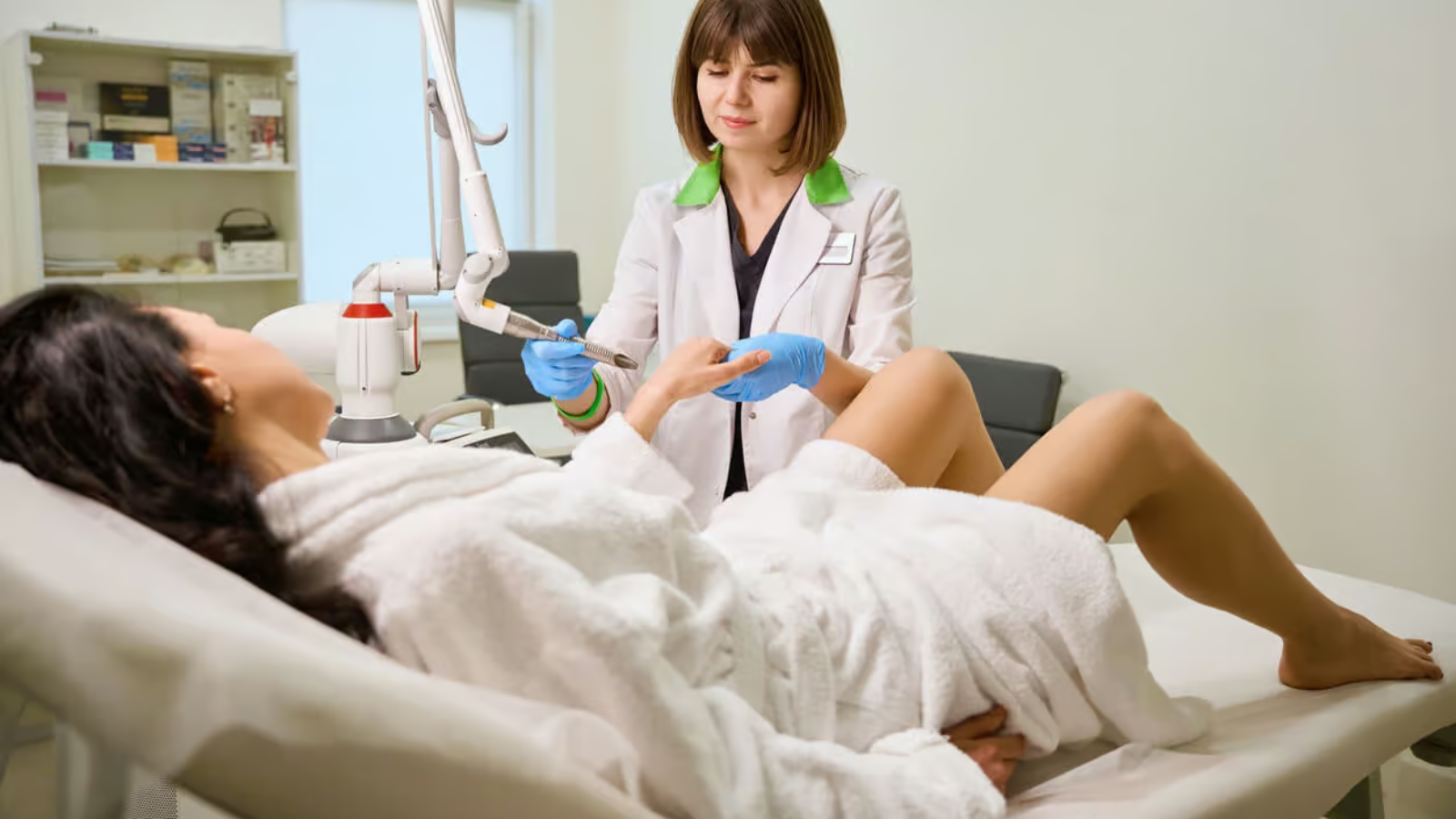
Cosmetic Gynecology in Mohali
Cosmetic gynecology in Mohali involves consultations and selected medical, non-surgical, surgical, and supportive treatments for concerns related to the vulva, vagina, pelvic floor, intimate comfort, and appearance.
Women may seek advice after childbirth, during menopause, following gynecological surgery, or when they experience discomfort, irritation, changes in appearance, urinary symptoms, or concerns about sexual comfort.
At LaBella CosGyn, the first step should be a detailed gynecological assessment. The purpose of the consultation is to understand the concern, identify possible medical causes, explain available options, and help the patient make an informed decision.
Cosmetic gynecology is not suitable for every symptom or every patient. Some concerns may be better managed with medical treatment, pelvic-floor physiotherapy, hormonal care, counselling, observation, or referral to another specialist.
What Is Cosmetic Gynecology?
Cosmetic gynecology is a broad term used for selected procedures and treatments involving the external and internal female genital area. These may address appearance-related concerns, discomfort, selected functional concerns, or changes following childbirth, aging, or surgery.
The term may include:
- Labiaplasty
- Selected perineal procedures
- Reconstructive gynecological procedures
- Treatment of specific scar-related concerns
- Selected non-surgical intimate treatments
- Medical management of vaginal dryness or irritation
- Pelvic-floor assessment and supportive care
The exact treatment depends on the patient’s symptoms, medical history, examination findings, expectations, and overall health.
There is no single “normal” appearance of the vulva. Size, shape, colour, and symmetry vary naturally. A consultation should therefore include reassurance about normal anatomy and should not create unnecessary pressure to change it.
Why Women Seek Cosmetic Gynecology in Mohali
Women may consult a gynecologist for several different reasons, including:
- Discomfort caused by friction or clothing
- Concerns following childbirth
- Scar-related discomfort
- Changes in vulvar appearance
- Vaginal dryness or irritation
- Pain during intercourse
- Pelvic-floor weakness
- Urinary leakage
- Menopause-related intimate symptoms
- Questions about labial size or asymmetry
- Concerns about sexual comfort
- Questions about surgical or non-surgical treatment options
These concerns can have different causes. A medical consultation is important before deciding whether a cosmetic procedure is appropriate.
Common Concerns Discussed During Consultation
Post-Childbirth Changes
Pregnancy and childbirth may be associated with changes in:
- Pelvic-floor strength
- Vaginal tissue
- Perineal scars
- Lubrication
- Sexual comfort
- Urinary control
- Vaginal or vulvar appearance
Not every post-childbirth concern requires surgery. Depending on the assessment, care may include pelvic-floor physiotherapy, medical treatment, scar management, counselling, or a selected procedure.
Vaginal Dryness and Menopause-Related Symptoms
Hormonal changes during perimenopause and menopause may cause:
- Vaginal dryness
- Burning or irritation
- Pain during intercourse
- Reduced tissue comfort
- Recurrent urinary symptoms
- Increased sensitivity
Treatment may include lubricants, vaginal moisturisers, hormonal treatment when appropriate, pelvic-floor care, or evaluation for another medical condition.
Vulvar Discomfort
Vulvar discomfort may be related to:
- Friction
- Skin irritation
- Infection
- Dermatological conditions
- Scarring
- Pelvic-floor muscle tension
- Nerve-related pain
- Anatomical concerns
A procedure should not be recommended until other possible causes have been considered.
Urinary Leakage
Stress urinary incontinence may cause urine leakage during:
- Coughing
- Sneezing
- Laughing
- Running
- Exercise
- Lifting heavy objects
Urinary leakage can be associated with pelvic-floor weakness, childbirth, hormonal changes, bladder conditions, or other causes.
Treatment may include:
- Pelvic-floor physiotherapy
- Bladder training
- Lifestyle changes
- Medical treatment
- Specialist evaluation
- Selected procedures when clinically appropriate
Urinary leakage should not automatically be described as a cosmetic concern or treated with a laser or device without a proper diagnosis.
Pain During Intercourse
Pain during intercourse may be related to:
- Vaginal dryness
- Infection
- Pelvic-floor muscle tightness
- Vaginismus
- Scar tissue
- Endometriosis
- Hormonal changes
- Skin conditions
- Emotional or relationship factors
The appropriate treatment depends on the cause. A detailed assessment may be more useful than directly choosing a cosmetic procedure.
Cosmetic Gynecology Treatments in Mohali
The treatments available at LaBella CosGyn should be confirmed directly with the clinic. Depending on the consultation and clinical assessment, treatment discussions may include the following.
Labiaplasty
Labiaplasty is a surgical procedure that changes the size or shape of the labia. It may be considered for selected concerns involving discomfort, irritation, scarring, or a specific structural issue.
Patients should understand that labiaplasty may involve:
- Pain and swelling
- Bleeding
- Infection
- Scarring
- Changes in sensation
- Pain during intercourse
- Wound-healing problems
- Unsatisfactory cosmetic or functional results
- Additional treatment or surgery
Labiaplasty should not be presented as necessary simply because the vulva looks different from images seen online.
Learn more about cosmetic gynecology procedures.
Vaginal Rejuvenation
“Vaginal rejuvenation” is not one standardized procedure. It may refer to different surgical or non-surgical treatments marketed for concerns such as vaginal laxity, dryness, or sexual comfort.
Before considering any treatment, patients should ask:
- What is the exact procedure?
- What symptom or concern is being treated?
- What evidence supports it?
- What are the alternatives?
- What are the possible complications?
- Is the treatment appropriate for my medical history?
Energy-based vaginal treatments may carry risks, including burns, scarring, pain, and worsening symptoms. Non-surgical does not automatically mean risk-free.
Read more about non-surgical and surgical cosmetic gynecology.
Hymenoplasty
Hymenoplasty is a surgical procedure intended to reconstruct or alter hymenal tissue.
A consultation should include a discussion of:
- The patient’s reason for considering the procedure
- Expected results
- Medical limitations
- Risks and recovery
- Consent and privacy
- Whether the procedure is appropriate
The appearance of the hymen cannot reliably establish whether someone has had sexual intercourse. Patients should receive respectful, non-judgmental care.
Perineal and Scar-Related Procedures
Selected procedures may be considered for specific concerns involving:
- Perineal scarring
- Discomfort after childbirth
- Tissue changes following surgery
- Structural concerns
- Functional symptoms
The need for treatment should be determined through examination and medical assessment.
Medical Management of Intimate Symptoms
Some concerns may respond better to non-surgical care, including:
- Vaginal moisturisers
- Lubricants
- Hormonal treatment when appropriate
- Treatment of infection
- Pelvic-floor physiotherapy
- Scar management
- Bladder training
- Medical treatment for skin conditions
- Psychosexual counselling when indicated
Technologies and Device-Based Treatments
LaBella should provide the exact name, manufacturer, regulatory information, clinical indication, and risks of any device-based treatment offered.
Pelvic-Floor Stimulation
Pelvic-floor stimulation may be discussed for selected patients with pelvic-floor weakness. It should not replace a proper assessment or individualized pelvic-floor rehabilitation plan.
Laser-Based Treatments
Laser-based vaginal treatments are marketed for several intimate concerns. However, patients should be informed that evidence and regulatory status vary by device and indication.
A laser treatment should not be described as a guaranteed treatment for:
- Urinary incontinence
- Recurrent infections
- Vaginal laxity
- Sexual dysfunction
- Vaginal dryness
- Menopause-related symptoms
Patients should ask about alternatives and possible complications before proceeding.
PRP Therapy
Platelet-rich plasma, or PRP, uses a preparation made from the patient’s blood. PRP is used in different medical fields, but its effectiveness for cosmetic gynecology and female sexual concerns is not established for every advertised indication.
Patients should be told:
- What the treatment is intended to address
- What evidence supports the use
- Whether it is an established or investigational option
- What risks are involved
- What alternatives are available
HIFU and Other Energy-Based Treatments
HIFU and other energy-based treatments may be marketed for tissue tightening or intimate wellness. The exact device, approved indication, treatment settings, and safety information must be verified before treatment.
A treatment should not be described as “FDA-approved” unless the exact device and intended use have been verified. Approval for one medical use does not automatically mean approval for vaginal tightening or cosmetic gynecology.
Carboxytherapy
Carboxytherapy involves the use of carbon dioxide for selected cosmetic or medical purposes. Its suitability for intimate treatment depends on the exact technique, indication, and medical assessment.
Patients should receive clear information about:
- The purpose of treatment
- Evidence of effectiveness
- Possible side effects
- Contraindications
- Alternatives
- Follow-up requirements
Is Cosmetic Gynecology Safe?
The safety of cosmetic gynecology depends on:
- The exact procedure
- The patient’s medical history
- The clinician’s qualifications and experience
- The equipment used
- Infection-control practices
- Informed consent
- Appropriate follow-up
- Recognition and management of complications
No cosmetic gynecology procedure should be described as completely risk-free.
Possible risks of surgical procedures may include:
- Pain
- Bleeding
- Infection
- Swelling
- Scarring
- Altered sensation
- Pain during intercourse
- Wound-healing problems
- Need for revision surgery
Possible risks of energy-based treatments may include burns, scarring, pain, and worsening symptoms.
The American College of Obstetricians and Gynecologists advises that patients should receive accurate information about the limited evidence and potential risks associated with elective female genital cosmetic procedures.
Who May Need a Consultation?
A consultation may be appropriate for a woman who:
- Has persistent intimate discomfort
- Has symptoms following childbirth
- Is experiencing menopause-related vaginal symptoms
- Has concerns about a scar
- Has urinary leakage
- Is considering labiaplasty or another procedure
- Wants to understand non-surgical options
- Has questions about intimate appearance
- Wants a second opinion before treatment
A consultation does not mean that treatment will necessarily be recommended.
Who Should Delay Treatment?
Treatment may need to be delayed or reconsidered when a patient has:
- An untreated vaginal or urinary infection
- Unexplained bleeding
- Active skin disease
- Uncontrolled medical conditions
- Pregnancy, depending on the procedure
- Unclear expectations
- Pressure from a partner or family member
- Significant anxiety about normal anatomy
- A need for another specialist’s assessment
Women with persistent pain, unusual discharge, sores, bleeding, or urinary symptoms should receive a medical evaluation before considering cosmetic treatment.
What Happens During a Consultation at LaBella?
A consultation may include:
- Discussion of the main concern.
- Review of medical and surgical history.
- Discussion of childbirth and fertility plans.
- Review of menstrual or menopause-related symptoms.
- Assessment of pain, dryness, irritation, or urinary symptoms.
- Examination or testing when medically necessary.
- Discussion of possible causes.
- Explanation of treatment and non-treatment options.
- Review of benefits, limitations, risks, and recovery.
- Opportunity to ask questions and consider a second opinion.
Patients should not feel pressured to decide during the first appointment.
Questions to Ask Before Treatment
Before choosing a procedure, ask:
- What is the exact name of the treatment?
- What problem is it intended to address?
- Is there a medical indication?
- Are there non-surgical alternatives?
- What evidence supports the treatment?
- What are the possible risks?
- What results are realistic?
- How long is recovery?
- When can I return to work and exercise?
- When can sexual activity be resumed?
- What follow-up care is required?
- What happens if complications occur?
- What happens if I am dissatisfied?
- What are the total costs?
- Is the treatment appropriate if I plan to become pregnant?
- What are the qualifications and experience of the treating clinician?
Why Consider LaBella CosGyn in Mohali?
Women considering LaBella CosGyn should look for a consultation process that includes:
- Gynecology-led medical assessment
- Respectful and non-judgmental communication
- Privacy during discussion and examination
- Clear information about treatment options
- Discussion of alternatives
- Realistic expectations
- Explanation of risks and recovery
- Appropriate follow-up care
- Referral when another specialist is needed
The clinic’s exact qualifications, registrations, certifications, available procedures, and equipment should be confirmed directly before treatment.
Cosmetic Gynecology in Mohali and Nearby Areas
LaBella CosGyn may be accessible to women seeking consultation from:
- Mohali
- Chandigarh
- Panchkula
- Zirakpur
- Dhakoli
- Dera Bassi
- Nearby areas of Punjab and Haryana
- Other parts of North India
Patients travelling from another city should contact the clinic in advance to understand appointment availability, required reports, examination arrangements, treatment planning, and follow-up.
You can also explore:
- Cosmetic Gynecology in Chandigarh
- Cosmetic Gynecology in Panchkula
- Cosmetic Gynecology in India
- Treatments at LaBella
- Contact LaBella CosGyn
Frequently Asked Questions
What is cosmetic gynecology in Mohali?
Cosmetic gynecology in Mohali refers to consultations and selected treatments for concerns involving intimate appearance, comfort, function, tissue changes, and selected gynecological conditions.
Is cosmetic gynecology the same as general gynecology?
No. General gynecology addresses a broad range of women’s health concerns. Cosmetic gynecology focuses on selected appearance-related, functional, reconstructive, and intimate wellness concerns.
Is cosmetic gynecology safe?
Safety depends on the exact procedure, the patient’s health, the clinician’s qualifications, the equipment used, and follow-up care. No procedure should be described as completely risk-free.
Are laser treatments always safe because they are non-surgical?
No. Non-surgical treatments may still cause complications. Patients should ask about evidence, regulatory status, alternatives, and risks before choosing an energy-based treatment.
Can cosmetic gynecology treat urinary leakage?
Urinary leakage requires proper diagnosis. Treatment may include pelvic-floor physiotherapy, bladder training, medical management, or selected procedures when clinically appropriate.
Can cosmetic gynecology prevent recurrent vaginal infections?
Recurrent infections require medical evaluation to identify the cause. Cosmetic or energy-based treatments should not be promoted as a guaranteed way to prevent infections.
Can labiaplasty improve sexual pleasure?
There is no guarantee that labiaplasty will improve sexual pleasure. The procedure should be considered only after discussing the patient’s concern, expectations, alternatives, and risks.
Can women seek treatment after childbirth?
Yes, women may consult a gynecologist about post-childbirth discomfort, scarring, pelvic-floor symptoms, urinary leakage, dryness, or changes in appearance. Treatment depends on the cause and may not require surgery.
Can women with menopause symptoms consult a cosmetic gynecologist?
Yes. Menopause-related dryness, irritation, and painful intercourse can be discussed. Treatment may include medical, hormonal, non-hormonal, or pelvic-floor options.
Does every consultation lead to a procedure?
No. A consultation may result in reassurance, medical treatment, pelvic-floor care, testing, referral, observation, or no procedure.
Can I seek a second opinion?
Yes. Patients should feel comfortable seeking a second opinion before undergoing an elective procedure, particularly surgery or device-based treatment.
How can I book an appointment at LaBella CosGyn?
You can contact the clinic through the official contact page to ask about consultation availability and the next steps.
Book a Consultation for Cosmetic Gynecology in Mohali
If you are considering cosmetic gynecology in Mohali, begin with a private consultation and a clear discussion of your concerns.
A proper assessment can help determine whether you need medical treatment, pelvic-floor care, a surgical procedure, a non-surgical option, further testing, or reassurance.
Contact LaBella CosGyn:
Book a consultation
Official website:
https://labellacosgyn.com/
Medical References
- ACOG: Elective Female Genital Cosmetic Surgery
- ACOG: Vaginal Rejuvenation, Labiaplasty, and Other Female Genital Cosmetic Surgery
- ACOG: Vaginal Laser Therapy for Vaginal Problems
- U.S. FDA: Warning About Energy-Based Devices Marketed for Vaginal Rejuvenation
LEAVE A COMMENT