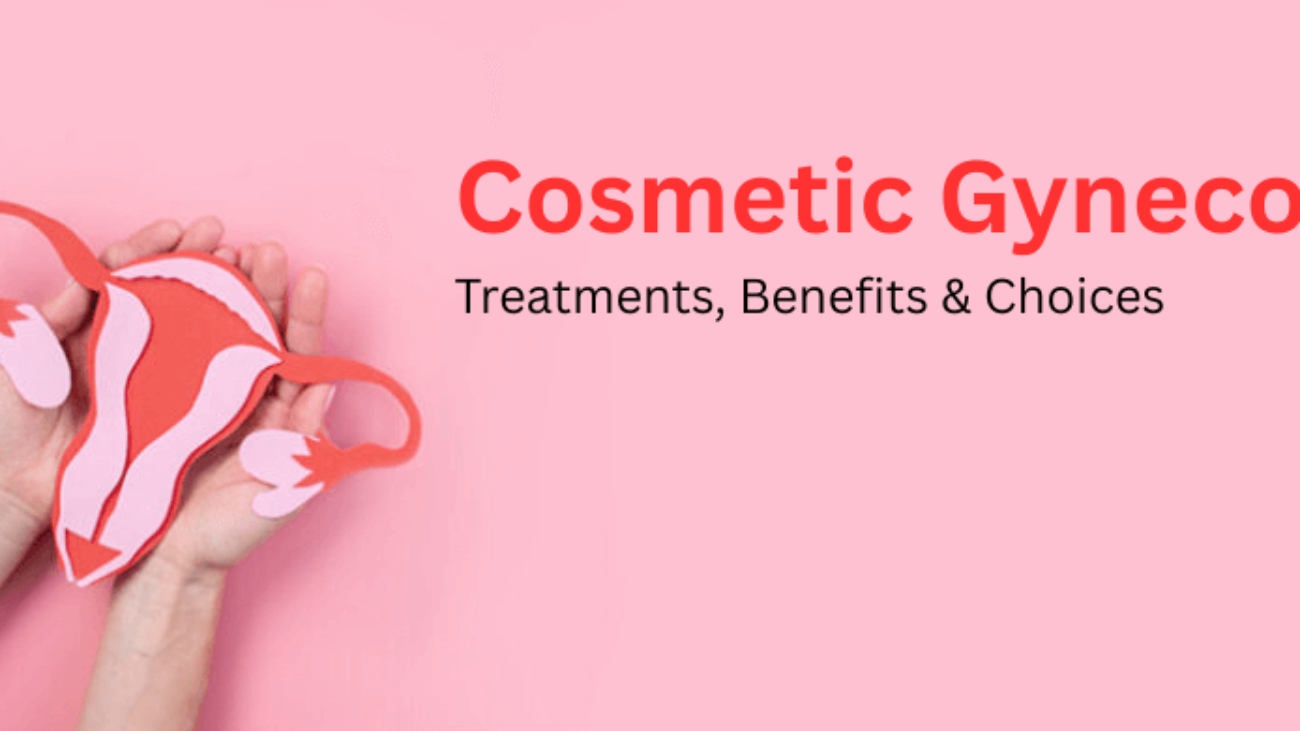

Cosmetic Gynecology Treatments in India: Options, Safety, Cost & How to Choose a Clinic

Cosmetic Gynecology Treatments in India: Options, Safety, Cost & How to Choose a Clinic

Cosmetic Gynecology Treatments in India: Options, Safety, Cost & How to Choose a Clinic

Women considering cosmetic gynecology treatments in India often have very different reasons for seeking care. Some are concerned about physical discomfort or changes following childbirth. Others have questions about vulvar appearance, vaginal symptoms, urinary leakage or intimate wellness.

The first step should not be choosing a procedure. It should be understanding what is causing the concern, whether treatment is medically appropriate, what evidence exists for the proposed treatment, and what risks and alternatives should be considered.

This guide explains the major categories of cosmetic gynecology treatments, what women should know about safety and cost, and how to evaluate a cosmetic gynecology clinic in India.

Medical note: Cosmetic and functional gynecology procedures are not appropriate for every woman. A consultation with a qualified gynecologist is important before deciding whether a procedure is suitable.


What Is Cosmetic Gynecology?

Cosmetic gynecology is a broad term used for procedures involving the vulva, vagina or surrounding pelvic tissues that may have aesthetic, functional or reconstructive goals.

The terminology can be confusing because procedures marketed under terms such as “vaginal rejuvenation” may refer to very different surgical or non-surgical approaches.

The American College of Obstetricians and Gynecologists (ACOG) notes that there is significant variation in normal vulvar anatomy and that there is no single “correct” appearance. It also distinguishes elective cosmetic surgery from procedures performed for specific clinical indications.

This distinction matters.

A woman experiencing pain, irritation, urinary leakage or problems following childbirth may require medical assessment, rather than assuming that a cosmetic procedure is the answer.

What Cosmetic Gynecology Treatments Are Available in India?

The appropriate treatment depends on the individual’s anatomy, symptoms, medical history, expectations and diagnosis.

Commonly discussed procedures include:

1. Labiaplasty

Labiaplasty involves reshaping or reducing the labia minora.

Women may seek consultation because of:

  • Physical discomfort
  • Irritation or chafing
  • Difficulty during certain activities
  • Concerns about asymmetry
  • Appearance-related concerns

However, normal vulvar anatomy varies considerably between women. ACOG specifically cautions against treating normal anatomical variation as though it automatically requires surgery.

A proper consultation should therefore focus on the woman’s symptoms, expectations and anatomy rather than a predetermined measurement or appearance standard.

2. Vaginal Rejuvenation

Vaginal rejuvenation is a widely used marketing term rather than a single standardized medical procedure.

It may be used to describe surgical procedures such as vaginoplasty or perineoplasty, while other clinics use the term for energy-based treatments.

That distinction is important when researching cosmetic gynecology treatments in India.

Before agreeing to any treatment, ask:

  • What exact procedure is being recommended?
  • What problem is it intended to address?
  • What evidence supports it?
  • Is it surgical or non-surgical?
  • What are the possible complications?
  • What alternatives are available?

ACOG notes that the term “vaginal rejuvenation” is not a medical term and may encompass different procedures.

3. Perineal or Postpartum Reconstruction

Some women experience changes to the perineum following childbirth, including scar-related discomfort or tissue changes.

In these cases, the issue may be functional or reconstructive rather than purely cosmetic.

The appropriate approach depends on the examination and the cause of the symptoms.

This is why a personalized consultation is more useful than choosing a treatment based solely on an online description.

4. Treatment of Urinary Leakage

Urinary leakage is sometimes discussed alongside cosmetic gynecology, but it should be approached as a medical condition.

Stress urinary incontinence can involve leakage when coughing, sneezing, exercising or laughing. ACOG notes that urinary incontinence can be treated with different approaches, including lifestyle measures, pelvic-floor exercises, physical therapy, devices and, for appropriate patients, surgery.

This is an important distinction:

Urinary leakage should be diagnosed before selecting a treatment.

A cosmetic or energy-based procedure should not automatically be presented as the solution for every woman with urinary symptoms.

Are Cosmetic Gynecology Treatments Safe?

Safety depends heavily on the specific procedure, the indication, the clinician’s training, the technology used and the patient’s individual health factors.

For surgical female genital cosmetic procedures, ACOG lists possible complications including:

  • Pain
  • Bleeding
  • Infection
  • Scarring
  • Changes in sensation
  • Pain during intercourse
  • Adhesions
  • Need for additional surgery

ACOG also emphasizes informed consent and discussing the clinician’s experience and outcomes with prospective patients.

What about laser or energy-based vaginal treatments?

This is an area where patients should be particularly careful about marketing claims.

ACOG states that the FDA has not approved laser or other energy-based treatments for vaginal cosmetic surgery, nor for treating menopause symptoms, urinary incontinence or sexual problems. ACOG also reports that the FDA has warned about potential complications including burns, scarring, pain during sex and chronic pain.

Therefore, a clinic should not simply tell patients that a device is “FDA approved” and leave it at that.

Ask specifically:

What is the device cleared or approved for, and what is the proposed treatment being used for?

That is a much more meaningful safety question.

How Much Does Cosmetic Gynecology Cost in India?

There is no single standard price for cosmetic gynecology in India.

The final cost can depend on:

  • Procedure type
  • Surgical complexity
  • Doctor’s expertise
  • Facility and operating-room costs
  • Anaesthesia
  • Diagnostic evaluation
  • Follow-up care
  • Whether multiple procedures are combined

For context, publicly listed Indian healthcare pricing currently shows substantial variation. Practo’s current labiaplasty listings, for example, show average prices ranging from approximately ₹81,000 to ₹99,000 across several listed cities, with listed starting prices generally around ₹60,000–₹74,000.

Yashoda Hospitals publishes a broader range for vaginal-rejuvenation procedures, illustrating why quoting one universal price can be misleading. Its published figures include approximately ₹25,000–₹80,000 per session for laser vaginal rejuvenation and ₹80,000–₹2,00,000 for vaginoplasty, depending on the procedure.

These are market examples, not a quote from LaBella CosGyn.

For an individual patient, the correct question is not simply:

“What is the cheapest cosmetic gynecology treatment?”

It is:

“What treatment, if any, is appropriate for my concern, and what is included in the total cost?”

How to Choose a Cosmetic Gynecology Clinic in India

Choosing a cosmetic gynecology clinic in India should involve more than comparing treatment prices.

1. Check the doctor’s qualifications

Ask about:

  • Gynecology qualification
  • Relevant procedural training
  • Experience with the specific procedure
  • Hospital/clinic privileges where relevant
  • Management of possible complications

ACOG recommends that physicians performing these procedures have appropriate training, experience and clinical competence.

2. Ask what evidence supports the treatment

A reputable consultation should include a discussion of:

benefits + limitations + risks + alternatives.

Be cautious about absolute promises such as:

  • “100% results”
  • “Permanent tightening”
  • “No risk”
  • “Guaranteed sexual enhancement”
  • “No downtime for everyone”

Individual outcomes vary.

3. Ask whether the treatment is actually indicated

Not every concern requires a procedure.

Normal anatomical variation is common, and ACOG emphasizes the importance of counseling women about normal anatomy before elective genital cosmetic surgery.

4. Ask about follow-up

Find out:

  • Who will review you after treatment?
  • What symptoms are expected?
  • What happens if a complication occurs?
  • Is follow-up included in the quoted cost?

5. Look for informed consent rather than pressure

A trustworthy consultation should give you enough information to make a decision without pressure.

Cosmetic Gynecology in India: What About Chandigarh, Mohali & Panchkula?

For women searching for cosmetic gynecology in India, location can also influence the choice of clinic.

LaBella CosGyn is based in Dhakoli, Zirakpur, serving women from the wider Tricity region, including:

  • Chandigarh
  • Mohali
  • Panchkula
  • Zirakpur
  • Dhakoli
  • Dera Bassi

For patients considering care locally, the practical questions remain the same:

Who is performing the procedure? What is the indication? What evidence supports it? What are the risks? What follow-up is available?

You can learn more about LaBella’s approach on the LaBella CosGyn homepage, and see the dedicated cosmetic gynecology in Chandigarh and cosmetic gynecology in Mohali pages.

What Should You Ask During a Cosmetic Gynecology Consultation?

Before deciding on cosmetic gynecology treatments, consider asking:

  1. What is causing my symptoms or concern?
  2. Do I actually need a procedure?
  3. What alternatives do I have?
  4. What evidence supports this treatment?
  5. What are the possible complications?
  6. How many of these procedures do you perform?
  7. What results are realistic in my case?
  8. How long is recovery expected to take?
  9. What follow-up care is included?
  10. What happens if I am unhappy with the result or develop a complication?

These questions can help you compare clinics based on medical quality rather than marketing language.

Frequently Asked Questions

What is cosmetic gynecology?

Cosmetic gynecology is a broad term used for procedures involving the vulva, vagina and related tissues for aesthetic, functional or reconstructive goals. The exact procedure and indication should be established during a medical consultation.

What are the most common cosmetic gynecology treatments?

Procedures commonly discussed under this umbrella include labiaplasty, vaginoplasty, perineoplasty and treatments marketed as vaginal rejuvenation. The terminology varies between clinics, so patients should ask for the exact procedure being proposed.

Is labiaplasty safe?

Labiaplasty is a surgical procedure and carries potential risks including pain, bleeding, infection, scarring, altered sensation and painful intercourse. ACOG recommends appropriate counseling about risks, benefits and alternatives before surgery.

Is vaginal rejuvenation FDA approved?

There is no blanket FDA approval for “vaginal rejuvenation.” ACOG states that the FDA has not approved laser or other energy-based treatments for vaginal cosmetic surgery or for treating menopause symptoms, urinary incontinence or sexual problems.

How much does cosmetic gynecology cost in India?

Costs vary substantially according to the procedure, clinician, facility and complexity. Published Indian pricing illustrates this variation, so patients should request an itemized estimate after evaluation rather than relying on a generic online price.

Is cosmetic gynecology only for married women?

No. Marital status is not a medical diagnosis or a substitute for clinical assessment. Whether a procedure is appropriate depends on the woman’s symptoms, anatomy, health, expectations and the specific indication.

How do I choose the best cosmetic gynecologist in India?

Look for an appropriately qualified gynecologist with relevant training and experience in the specific procedure, transparent discussion of risks and alternatives, realistic expectations and appropriate follow-up care. ACOG recommends that physicians performing these procedures have sufficient training and clinical competence.

Why Medical Evaluation Comes First

The most important part of cosmetic gynecology in India is not choosing between procedures.

It is determining whether a procedure is appropriate in the first place.

Symptoms such as urinary leakage, painful intercourse, dryness, irritation or changes following childbirth can have multiple causes. Some may respond to conservative treatment, pelvic-floor therapy, medication or other gynecological care rather than a cosmetic procedure. ACOG’s guidance on urinary incontinence, for example, describes multiple non-surgical and surgical treatment pathways depending on the type and cause of the problem.

At LaBella CosGyn, the consultation should therefore begin with understanding the concern, discussing realistic options and making an informed decision about whether treatment is appropriate.

Explore:
Cosmetic Gynecology in India
Treatments at LaBella CosGyn
Contact LaBella CosGyn

Medical Sources & Further Reading

For readers who want to verify the medical information independently:

Reviewed by

Dr. Nitasha Gupta
Gynecologist & Cosmetic Gynecology Specialist
LaBella CosGyn, Dhakoli, Zirakpur

This article is for general educational purposes and does not replace an individual medical consultation.


Do Cosmetic Gynecology Treatments Affect Sexual Pleasure? What Women Should Know

Do Cosmetic Gynecology Treatments Affect Sexual Pleasure? What Women Should Know

Do Cosmetic Gynecology Treatments Affect Sexual Pleasure? What Women Should Know

As awareness around women’s intimate wellness grows in India, more women are exploring cosmetic gynecology treatments for comfort, confidence, and improved quality of life. One of the most common questions women ask before considering these procedures is:

“Will cosmetic gynecology treatments improve or reduce sexual pleasure?”

The answer depends on several factors including the procedure performed, the experience of the cosmetic gynecologist, individual anatomy, healing, emotional well-being, and realistic expectations.

Modern cosmetic gynecology is not simply about aesthetics. Many treatments are designed to improve intimate comfort, vaginal health, tissue support, sensitivity, and overall women’s wellness. When performed safely and ethically, some procedures may positively influence intimacy and sexual confidence.

At LaBella, every treatment recommendation is medically guided, personalized, and focused on long-term comfort, safety, and patient well-being.


Understanding Cosmetic Gynecology

Cosmetic gynecology includes specialized procedures that improve the appearance, function, or comfort of intimate areas. These treatments may be surgical or non-surgical depending on the patient’s concerns and goals.

Women commonly seek cosmetic gynecology treatments for:

  • Vaginal laxity after childbirth
  • Discomfort during intimacy
  • Vaginal dryness
  • Reduced sensitivity
  • Irritation caused by enlarged labia
  • Menopausal changes
  • Intimate confidence concerns
  • Functional intimate wellness support

Importantly, sexual wellness is influenced by both physical and emotional health. Confidence, comfort, stress levels, relationship dynamics, and self-image all contribute to sexual satisfaction.


1. Labiaplasty and Sexual Comfort

Labiaplasty is one of the most common cosmetic gynecology procedures in India. It reshapes or reduces excess labial tissue that may cause irritation, discomfort, or self-consciousness.

How Labiaplasty May Affect Sexual Pleasure

Possible Benefits

  • Reduced friction and irritation during intimacy
  • Greater comfort during exercise or tight clothing
  • Improved body confidence
  • Better emotional relaxation during intimacy

Possible Risks

When performed incorrectly or too aggressively, excessive tissue removal may affect sensitivity. However, nerve-related complications are uncommon when the procedure is performed by an experienced cosmetic gynecology specialist.

For most women, the biggest improvement is often psychological — feeling more comfortable and confident in their own body.


2. Vaginoplasty and Vaginal Tightening

Vaginoplasty is a surgical procedure designed to tighten vaginal muscles and improve tissue support, especially after childbirth or aging-related changes.

Potential Effects on Sexual Wellness

Positive Outcomes

  • Increased friction during intimacy
  • Improved vaginal support
  • Enhanced confidence
  • Better pelvic floor function in some women

Important Considerations

Over-tightening may lead to discomfort or painful intercourse if not performed carefully. Proper surgical planning and individualized treatment are essential.

A medically guided approach is far more important than aggressive cosmetic correction.


3. O-Shot (PRP Therapy) and Sensitivity

PRP-based intimate wellness treatments such as the O-Shot are increasingly popular among women seeking non-surgical enhancement options.

This procedure uses platelet-rich plasma derived from the patient’s own blood to support tissue rejuvenation and blood circulation.

Women seek O-Shot therapy for:

  • Improved lubrication
  • Better tissue hydration
  • Increased sensitivity
  • Enhanced orgasmic response
  • Mild urinary leakage support

Because PRP stimulates natural healing and circulation, some women report improvements in arousal and intimate comfort over time.

Results, however, vary from person to person.


4. Clitoral Hood Reduction and Intimacy

Clitoral hood reduction removes excess tissue surrounding the clitoris to improve comfort and potentially increase direct stimulation.

Possible Benefits

  • Increased clitoral accessibility
  • Improved stimulation during intimacy
  • Enhanced confidence

Risks to Consider

Like any intimate procedure, surgical precision is critical. Excessive tissue removal or poor technique may negatively affect sensitivity.

Choosing an experienced cosmetic gynecologist is essential for protecting intimate anatomy and nerve structures.


5. Non-Surgical Vaginal Rejuvenation Treatments

Non-surgical intimate wellness procedures are rapidly growing in popularity because they involve minimal downtime and gradual, natural improvements.

These treatments may include:

  • Laser vaginal tightening
  • Radiofrequency therapy
  • PRP rejuvenation
  • Vaginal hydration therapies

Benefits Often Reported by Women

  • Better vaginal hydration
  • Improved comfort
  • Reduced dryness
  • Enhanced tissue support
  • Increased confidence

These procedures are especially popular among postpartum and menopausal women seeking non-invasive solutions.


The Psychological Impact on Sexual Pleasure

Sexual wellness is not only physical.

Women who feel:

  • more confident,
  • emotionally secure,
  • less anxious,
  • and physically comfortable

often experience improved intimacy and relationship satisfaction.

Many women report that cosmetic gynecology treatments improve:

  • self-esteem,
  • body confidence,
  • emotional comfort,
  • and openness during intimacy.

This emotional component is often just as important as physical outcomes.


Important Things Women Should Know Before Treatment

Have Realistic Expectations

Cosmetic gynecology is not a guaranteed solution for sexual satisfaction. Every woman’s anatomy, healing response, and emotional experience are different.

Treatments should focus on:

  • comfort,
  • function,
  • wellness,
  • and confidence —

not unrealistic perfection.


Choose an Experienced Cosmetic Gynecologist

The expertise of the specialist plays a major role in:

  • safety,
  • healing,
  • tissue preservation,
  • and long-term outcomes.

Women should always choose clinics that prioritize:

  • ethical consultation,
  • medically guided recommendations,
  • evidence-based treatment,
  • and patient education.

Understand Recovery Time

Healing is essential for proper results.

Most procedures require temporary avoidance of:

  • intercourse,
  • intense exercise,
  • and pressure on treated areas

for several weeks depending on the procedure performed.


Are Cosmetic Gynecology Treatments Safe?

When performed by qualified cosmetic gynecology specialists using approved medical techniques, these procedures are generally considered safe.

However, like any medical treatment, risks may include:

  • swelling,
  • infection,
  • scarring,
  • discomfort,
  • asymmetry,
  • or sensitivity changes.

Proper consultation and individualized planning help reduce these risks significantly.


Cosmetic Gynecology and Women’s Wellness in India

India is witnessing a major shift in awareness around women’s intimate wellness. More women are openly discussing concerns that were previously ignored due to stigma or embarrassment.

This growing awareness is helping women:

  • prioritize their comfort,
  • seek medically guided care,
  • improve postpartum recovery,
  • address menopausal symptoms,
  • and make informed decisions about intimate wellness.

At LaBella, cosmetic gynecology is approached with privacy, compassion, medical integrity, and patient-centered care.


Final Thoughts

Cosmetic gynecology treatments may positively affect sexual pleasure for some women by improving:

  • comfort,
  • tissue support,
  • confidence,
  • lubrication,
  • and emotional well-being.

However, outcomes depend on:

  • the procedure chosen,
  • medical expertise,
  • realistic expectations,
  • and overall health.

The goal should never be perfection — but rather improved comfort, confidence, and quality of life.

Women considering intimate wellness treatments should always consult experienced cosmetic gynecology specialists who prioritize safety, ethical care, and long-term well-being.


FAQ SECTION 

Can vaginoplasty improve sexual pleasure?

Some women report increased satisfaction due to improved vaginal support and confidence, though results vary individually.

Does labiaplasty reduce sensitivity?

When performed properly by experienced specialists, significant sensitivity loss is uncommon.

Is O-Shot treatment safe?

PRP-based O-Shot treatments are generally considered safe because they use the patient’s own blood-derived growth factors.

Are non-surgical vaginal rejuvenation treatments painful?

Most laser and radiofrequency treatments involve minimal discomfort and little downtime.

How long is recovery after cosmetic gynecology surgery?

Recovery varies depending on the procedure but may range from several days to a few weeks.

Top Female Sexual Enhancement Treatments in India for Intimate Wellness & Confidence

Top Female Sexual Enhancement Treatments in India for Intimate Wellness & Confidence

Introduction: Understanding Female Sexual Wellness

Female sexual wellness is an important part of overall health, comfort, confidence, and quality of life.

Women may experience intimate concerns related to:

  • Vaginal dryness.

  • Pain during intimacy.

  • Hormonal or menopausal changes.

  • Changes after childbirth.

  • Pelvic-floor concerns.

  • Reduced sexual desire.

  • Changes in sensitivity.

  • Urinary leakage.

  • Concerns about intimate appearance.

  • Anxiety or lack of confidence related to sexual health.

These concerns can have different causes. Some may require medical treatment, while others may improve with lifestyle changes, pelvic-floor therapy, hormonal care, counseling, or treatment of an underlying condition.

There is no single treatment that is suitable for every woman, and no procedure can guarantee improved sexual satisfaction.

At LaBella CosGyn, the first step should be a confidential consultation to understand the concern and discuss appropriate options based on medical evaluation.


What Are Female Sexual Enhancement Treatments?

The term female sexual enhancement treatment is used broadly in online searches and may refer to different medical, surgical, non-surgical, or wellness-based approaches.

Depending on the patient’s concern, treatment may involve:

  • Medical evaluation.

  • Hormonal or menopausal care.

  • Vaginal moisturizers or prescribed medication.

  • Pelvic-floor physiotherapy.

  • Sexual health counseling.

  • Treatment for vaginal or vulvar conditions.

  • Selected injectable procedures.

  • Surgical correction when medically indicated.

  • Other treatments recommended after an individualized assessment.

The phrase “sexual enhancement” should not be understood as a promise of increased pleasure or guaranteed results. The purpose of treatment should be clearly explained before any procedure is considered.


What Concerns May Lead a Woman to Seek Treatment?

Women may seek a consultation for:

Vaginal Dryness

Dryness may be associated with hormonal changes, menopause, breastfeeding, certain medications, or other medical conditions.

Pain During Intimacy

Pain during sex may have several causes, including dryness, infection, pelvic-floor muscle problems, skin conditions, hormonal changes, or other gynecological concerns.

Changes After Childbirth

Pregnancy and childbirth may be associated with changes in pelvic-floor function, vaginal comfort, or intimate confidence. These concerns should be evaluated individually.

Reduced Sexual Desire

Low desire can be influenced by hormones, stress, medications, relationship factors, pain, fatigue, and mental health. It should not automatically be treated as a cosmetic concern.

Urinary Leakage

Urinary leakage may require evaluation for pelvic-floor weakness, bladder conditions, infection, or other causes. Treatment should be based on the underlying problem.

Intimate Appearance Concerns

Normal vulvar anatomy varies widely. A consultation may provide education and reassurance, and not every appearance concern requires a procedure.


1. Medical Evaluation for Female Sexual Wellness

Before considering a sexual wellness procedure, a gynecologist should understand the patient’s symptoms and medical history.

An evaluation may include:

  • Menstrual and reproductive history.

  • Pregnancy and childbirth history.

  • Menopausal or hormonal symptoms.

  • Previous surgeries or injuries.

  • Pain, dryness, irritation, or discharge.

  • Urinary symptoms.

  • Medications and medical conditions.

  • Sexual health concerns.

  • Emotional and relationship factors.

  • The patient’s goals and expectations.

The evaluation may identify a condition that can be treated without cosmetic surgery or an injectable procedure.

A proper diagnosis is more important than choosing a particular treatment from an online list.


2. Pelvic-Floor Therapy

Pelvic-floor therapy may be useful for selected women experiencing:

  • Pelvic-floor muscle weakness.

  • Urinary leakage.

  • Pelvic discomfort.

  • Certain postpartum concerns.

  • Muscle tightness or difficulty relaxing the pelvic floor.

  • Some types of pain during intimacy.

Treatment may include:

  • Pelvic-floor exercises.

  • Breathing and relaxation techniques.

  • Muscle coordination training.

  • Posture and movement guidance.

  • Manual therapy when appropriate.

  • Bladder and bowel habit education.

Pelvic-floor therapy is not the right option for every patient. Some women have overactive or painful pelvic-floor muscles, and repeatedly strengthening those muscles without assessment may worsen symptoms.

A qualified pelvic-floor professional can help determine the appropriate approach.


3. Hormonal and Menopause-Related Intimate Care

Hormonal changes may affect vaginal moisture, tissue comfort, sexual desire, sleep, mood, and overall well-being.

Depending on the patient’s symptoms, a doctor may discuss:

  • Vaginal moisturizers.

  • Lubricants.

  • Menopause counseling.

  • Lifestyle support.

  • Treatment for underlying vaginal or vulvar conditions.

  • Prescription hormonal treatment when appropriate.

  • Other evidence-based options.

Hormonal treatment is not suitable for everyone. The decision should be based on medical history, symptoms, risks, and the patient’s individual needs.

Women experiencing persistent dryness, burning, pain, or bleeding should seek medical evaluation rather than assuming that the symptoms are simply part of aging.


4. O-Shot and PRP-Based Intimate Treatments

The O-Shot is a term used for platelet-rich plasma, or PRP, injections marketed for female sexual wellness.

PRP is prepared from the patient’s own blood. It is promoted for concerns such as:

  • Vaginal dryness.

  • Reduced sensitivity.

  • Sexual discomfort.

  • Urinary leakage.

  • Changes in intimate function.

However, PRP-based intimate treatments should not be presented as a guaranteed solution for sexual dysfunction or orgasm-related concerns.

Patients should ask:

  • What specific problem is the treatment intended to address?

  • What clinical evidence supports the treatment?

  • What results can realistically be expected?

  • What are the possible risks?

  • How is the procedure performed?

  • What alternatives are available?

  • What happens if there is no improvement?

The use of a patient’s own blood does not automatically make a treatment risk-free or proven.


5. Injectable Intimate Wellness Treatments

Some clinics offer injectable procedures for selected intimate wellness concerns. These may include treatments marketed for muscle relaxation, tissue support, lubrication, or sexual wellness.

Before considering an injectable treatment, patients should understand:

  • The exact product or substance being used.

  • The intended medical purpose.

  • Whether the use is established for that purpose.

  • Possible side effects.

  • The expected duration of any effect.

  • The need for repeat treatment.

  • Activity restrictions.

  • How complications will be managed.

Patients should not choose an injectable treatment solely because it is advertised as quick, natural, painless, or minimally invasive.


6. Laser and Energy-Based Vaginal Treatments

Laser and radiofrequency treatments are often marketed for vaginal “tightening,” “rejuvenation,” dryness, urinary leakage, and sexual wellness.

However, these treatments require careful evaluation. Evidence varies by device, treatment method, and medical indication. Some energy-based procedures have been associated with complications such as:

  • Burns.

  • Scarring.

  • Pain.

  • Pain during sexual activity.

  • Changes in sensation.

  • Irritation.

  • Persistent symptoms.

The U.S. Food and Drug Administration has warned about serious complications associated with certain uses of energy-based devices, and recent evidence reviews have found uncertainty regarding their effectiveness for several vaginal and menopausal symptoms.

Patients should ask for the exact device name, its intended use, supporting evidence, possible risks, and available alternatives before proceeding.

“Non-surgical” does not automatically mean safe, effective, or appropriate.


7. Vaginal Rejuvenation Treatments

“Vaginal rejuvenation” is a marketing term that may refer to different surgical and non-surgical procedures.

It may include treatments marketed for:

  • Vaginal laxity.

  • Changes after childbirth.

  • Vaginal dryness.

  • Sexual discomfort.

  • Intimate appearance.

  • Pelvic support.

Because the term covers different procedures, patients should not assume that all vaginal rejuvenation treatments have the same purpose, evidence, risks, or recovery time.

A consultation should clarify:

  • The exact condition being treated.

  • Whether the concern has been medically diagnosed.

  • The expected benefits.

  • The limitations of treatment.

  • Potential complications.

  • Alternative treatment options.

  • Whether treatment is necessary.


8. Labiaplasty for Comfort or Appearance Concerns

Labiaplasty is a surgical procedure involving the labial tissue.

Women may consider a consultation because of:

  • Repeated irritation.

  • Discomfort during exercise.

  • Friction from clothing.

  • Pain during certain activities.

  • Concerns following injury or childbirth.

  • Appearance-related concerns.

However, normal labial anatomy varies widely. A consultation should include respectful discussion of anatomy, expectations, possible benefits, risks, and alternatives.

Potential surgical risks may include:

  • Pain.

  • Bleeding.

  • Infection.

  • Scarring.

  • Changes in sensation.

  • Pain during intimacy.

  • Wound-healing problems.

  • The possibility of further treatment.

Labiaplasty should not be recommended simply because a patient does not resemble an idealized image seen online.


9. Surgical Procedures for Specific Medical Concerns

Some surgical procedures may be considered when there is a specific medical indication.

Depending on the concern, procedures may include:

  • Labiaplasty.

  • Revision labiaplasty.

  • Perineoplasty.

  • Vaginoplasty.

  • Repair following injury.

  • Reconstructive procedures.

  • Other gynecological surgery.

Surgery should be discussed only after an appropriate evaluation. Patients should understand the expected recovery, possible complications, and whether non-surgical options may be more suitable.


10. Intimate Wellness Counseling

Sexual wellness is influenced by more than anatomy.

A woman’s experience may be affected by:

  • Stress.

  • Anxiety.

  • Relationship concerns.

  • Pain.

  • Fatigue.

  • Hormonal changes.

  • Medication.

  • Previous negative experiences.

  • Body-image concerns.

  • Mental health.

Counseling or sex therapy may be helpful when emotional, psychological, or relationship factors contribute to the concern.

Seeking counseling does not mean that symptoms are imaginary. It means that sexual wellness is being addressed from a complete, patient-centered perspective.


Are Female Sexual Enhancement Treatments Safe?

Safety depends on:

  • The exact treatment.

  • The patient’s medical history.

  • The qualifications of the provider.

  • The evidence supporting the procedure.

  • The technique used.

  • Infection-control standards.

  • Follow-up and complication management.

Patients should be cautious of clinics or advertisements promising:

  • Guaranteed orgasm.

  • Permanent tightening.

  • Immediate results.

  • Zero risk.

  • No complications.

  • Permanent sexual enhancement.

  • Guaranteed improvement in relationships.

  • Results identical to another person.

A responsible medical consultation should explain both the potential benefits and the limitations of treatment.


Are These Treatments Suitable for Everyone?

No. Treatment may not be appropriate for women who:

  • Have an undiagnosed infection.

  • Have unexplained bleeding.

  • Are experiencing persistent pelvic pain.

  • Have an untreated gynecological condition.

  • Have unrealistic expectations.

  • Are seeking treatment because of external pressure.

  • Are pregnant or may be pregnant, depending on the procedure.

  • Have medical conditions that increase procedural risk.

The final decision should be based on an individual assessment.


How to Choose a Female Sexual Wellness Clinic in India

When choosing a clinic, consider:

  • The qualifications of the treating gynecologist.

  • Experience with the specific procedure.

  • A proper medical evaluation.

  • Clear explanation of risks and alternatives.

  • Privacy and confidentiality.

  • Appropriate infection-control practices.

  • Transparent pricing.

  • Realistic claims.

  • Written aftercare instructions.

  • Follow-up arrangements.

  • A clear plan for managing complications.

Do not choose a clinic only because it uses advanced technology or has attractive promotional images.

The most important question is whether the treatment is medically appropriate for your specific concern.


Questions to Ask Before Treatment

Before proceeding, ask:

  1. What is the exact diagnosis or concern?

  2. What is the purpose of this treatment?

  3. Is the treatment medically necessary?

  4. What evidence supports its use?

  5. What are the possible risks?

  6. What alternatives are available?

  7. How long will recovery take?

  8. Will repeat sessions be needed?

  9. What results are realistic?

  10. What happens if the treatment does not work?

  11. Who will manage complications?

  12. Can I take time to decide?

You should feel comfortable asking questions and choosing not to proceed.


Frequently Asked Questions

What are the best female sexual enhancement treatments in India?

There is no single best treatment for every woman. The appropriate option depends on the concern, medical history, diagnosis, and available evidence.

Can female sexual enhancement treatments improve sexual pleasure?

Some treatments may be considered for specific medical concerns, but no procedure can guarantee improved sexual pleasure. Sexual function is influenced by physical, hormonal, emotional, and relationship factors.

Is vaginal rejuvenation safe?

Safety depends on the exact procedure and device. Some energy-based treatments marketed for vaginal rejuvenation have been associated with serious complications. Patients should discuss evidence, risks, and alternatives before treatment.

Is laser vaginal tightening proven?

Evidence varies by device and medical indication. Patients should not assume that every laser or radiofrequency treatment is proven to improve vaginal tightness, dryness, urinary leakage, or sexual function.

Is the O-Shot scientifically proven?

PRP-based intimate treatments require careful evaluation because evidence varies and benefits are not guaranteed. Patients should ask about the specific indication, research, risks, and alternatives.

Are female sexual wellness injections permanent?

The duration of any effect depends on the exact substance, technique, and individual response. Some treatments may require repeat sessions, and permanent results should not be promised.

Can these treatments help after childbirth?

Some women experience postpartum changes that may benefit from medical evaluation, pelvic-floor therapy, hormonal care, or selected treatment. A procedure should not be recommended without understanding the underlying concern.

Can female sexual enhancement treatments treat vaginal dryness?

Vaginal dryness may have several causes. Treatment may include lubricants, moisturizers, hormonal care, or management of an underlying condition. The appropriate option depends on the patient’s symptoms and medical history.

Can these treatments help with urinary leakage?

Urinary leakage should be evaluated before treatment. Pelvic-floor therapy and other medical options may be appropriate depending on the cause. Cosmetic treatment should not be assumed to treat urinary symptoms.

Are non-surgical treatments completely painless?

No. Non-surgical treatments may cause warmth, discomfort, sensitivity, swelling, bruising, irritation, or other side effects.

How long does recovery take?

Recovery depends on the treatment. Some procedures may involve little scheduled downtime, while surgery may require several weeks of healing and activity restrictions.

How do I know whether I need treatment?

A consultation can help identify the cause of the concern and explain whether treatment, lifestyle changes, counseling, pelvic-floor therapy, medication, or reassurance may be appropriate.


Final Thoughts

Female sexual wellness is an important part of healthcare, but it should not be approached through unrealistic promises or celebrity-inspired expectations.

The right treatment depends on the individual concern, medical evaluation, evidence, risks, and personal goals.

Women should feel comfortable discussing dryness, pain, changes after childbirth, hormonal symptoms, urinary leakage, sexual concerns, and body-image questions with a qualified healthcare professional.

At LaBella CosGyn, patients can seek confidential guidance and learn about available options before making an informed decision.

Call or WhatsApp: 099883 09211

Clinic: SCO 35, With Yes Bank, Shri Balaji Complex, Opp. Domino’s, Dhakoli, Zirakpur, Punjab

Explore cosmetic gynecology: https://labellacosgyn.com/cosmetic-gynecology-india/ 

View treatments: https://labellacosgyn.com/treatments/ 

Contact LaBella CosGyn: https://labellacosgyn.com/contact-us/ 

LaBella Clinic Patient Experience – Consultation to Care Guide

LaBella Clinic Patient Experience – What Women Can Expect From Consultation to Care

LaBella Clinic Patient Experience: What Women Can Expect From Consultation to Care

Choosing a clinic for an intimate health concern is both a medical and personal decision. Women may want to feel comfortable discussing sensitive symptoms, understand their treatment options, and receive clear information before making a decision.

At LaBella Cosmetic Gynecology Clinic, the consultation process is intended to help women discuss intimate health concerns in a respectful and private setting. Depending on the concern, care may include medical evaluation, treatment planning, non-surgical care, surgical treatment, supportive care, or referral to another specialist.

The right treatment depends on the individual patient. A consultation does not automatically mean that a procedure will be recommended.

Official website:
LaBella CosGyn


The First Step: A Private Consultation

The patient journey generally begins with a consultation in which the woman can explain her concern and ask questions.

Topics may include:

  • Changes after childbirth
  • Vaginal dryness
  • Pain or discomfort during intercourse
  • Urinary leakage
  • Vulvar discomfort
  • Scar-related concerns
  • Menopause-related symptoms
  • Concerns about intimate appearance
  • Questions about surgical or non-surgical treatment
  • Previous treatment experiences

Patients should feel free to explain their concerns in their own words. They should also be able to ask for clarification if a medical term or treatment recommendation is not clear.

You can contact the clinic through the official appointment page.


What May Be Discussed During the Consultation?

The consultation may include a review of:

  • Medical history
  • Previous surgeries or procedures
  • Pregnancy and childbirth history
  • Menstrual history
  • Menopause status
  • Current medicines
  • Existing medical conditions
  • Previous treatments
  • Allergies
  • Fertility or pregnancy plans
  • Symptoms and their duration
  • Personal expectations from treatment

The doctor may also ask about pain, dryness, irritation, bleeding, urinary symptoms, or discomfort during intimacy.

This information helps the clinician decide whether further examination, testing, medical treatment, pelvic-floor care, or another form of management may be appropriate.


Medical Evaluation Before Treatment Planning

A proper medical assessment is important because similar symptoms may have different causes.

For example:

  • Urinary leakage may be related to pelvic-floor weakness, bladder conditions, childbirth, or hormonal changes.
  • Pain during intercourse may be associated with dryness, infection, pelvic-floor muscle tension, scarring, or another condition.
  • Vaginal irritation may be caused by infection, skin conditions, hormonal changes, or an allergic reaction.
  • Post-childbirth discomfort may involve scar tissue, pelvic-floor changes, or another gynecological concern.

A procedure should not be selected only because it is available or promoted online. The treatment plan should be based on the patient’s symptoms, medical history, examination findings, expectations, and available evidence.


Intimate Health Examination

An examination may be recommended when it is medically necessary.

Before an examination, patients should be informed about:

  • Why the examination is needed
  • What it may involve
  • Who will be present
  • Whether a chaperone is available
  • Whether photographs or records will be taken
  • How consent will be obtained
  • Whether the patient can pause or decline the examination

An examination should be conducted respectfully and only with the patient’s informed consent.

If a patient feels uncomfortable, she should communicate this to the healthcare professional. She may also ask questions before agreeing to any examination or procedure.


Understanding Treatment Options

After the assessment, the doctor may discuss one or more options, including:

  • Medical treatment
  • Pelvic-floor physiotherapy
  • Hormonal or non-hormonal treatment
  • Lifestyle guidance
  • Scar management
  • Non-surgical treatment
  • Surgical treatment
  • Further testing
  • Referral to another specialist
  • Observation or no treatment

The most suitable option may not be a cosmetic procedure. In some cases, education, reassurance, medical management, or pelvic-floor care may be more appropriate.


Treatment Counselling and Informed Consent

Before any treatment, patients should receive clear information about:

  • The exact name of the procedure
  • The purpose of treatment
  • Expected benefits
  • Possible risks
  • Available alternatives
  • Expected recovery
  • Follow-up requirements
  • Potential need for additional treatment
  • The option of choosing no treatment

Informed consent should be specific to the procedure being performed. Patients should ask whether any additional procedure may be carried out and should understand that additional treatment requires separate consent.

A patient should never feel pressured to make an immediate decision about an elective procedure.

Explore the treatments available at LaBella.


Non-Surgical Treatments

Non-surgical treatments may be discussed for selected concerns. The exact treatment depends on the patient’s diagnosis and medical history.

Patients should ask about:

  • The purpose of the treatment
  • The evidence supporting it
  • Possible side effects
  • The number of sessions required
  • Expected recovery
  • Maintenance requirements
  • Alternatives
  • The possibility that symptoms may not improve

Non-surgical does not automatically mean risk-free. Device-based treatments may still involve complications, and patients should receive balanced information before proceeding.

Claims such as “zero risk,” “permanent results,” or “guaranteed improvement” should be treated with caution.


Surgical Procedures

Some women may be considered for a surgical procedure after medical assessment and counselling.

Depending on the concern, procedures may include selected treatments involving:

  • The labia
  • Perineal tissue
  • Scar tissue
  • Reconstructive gynecology
  • Other gynecological structures

Surgical risks may include:

  • Pain
  • Swelling
  • Bleeding
  • Infection
  • Scarring
  • Changes in sensation
  • Pain during intercourse
  • Wound-healing problems
  • Unsatisfactory results
  • Additional surgery

Before surgery, patients should receive information about the procedure, anaesthesia, recovery, restrictions, follow-up, and what to do if complications occur.

Read more about cosmetic gynecology procedures.


Comfort and Privacy During Care

Intimate healthcare requires respectful communication and attention to patient comfort.

Patients may ask about:

  • Privacy during consultation
  • Examination arrangements
  • Chaperone availability
  • Who will perform the procedure
  • Who will be present during treatment
  • Consent documentation
  • Medical-record privacy
  • Photography policies
  • Follow-up communication

The clinic’s exact privacy procedures should be confirmed directly with the clinic before the appointment.

Patients should also feel comfortable asking for a second opinion or postponing treatment if they need more time to decide.


Recovery and Follow-Up

Recovery depends on the treatment performed.

Follow-up may include:

  • Review of healing
  • Discussion of symptoms
  • Hygiene instructions
  • Activity restrictions
  • Medication guidance
  • Wound-care advice
  • Questions about returning to work or exercise
  • Guidance about resuming sexual activity
  • Assessment of treatment response

Patients should follow the instructions provided by their treating clinician and contact the clinic if they experience concerning symptoms such as increasing pain, fever, heavy bleeding, unusual discharge, worsening swelling, or difficulty passing urine.

No treatment can guarantee a particular cosmetic or functional outcome. Follow-up is important for identifying healing concerns and discussing any ongoing symptoms.


Emotional Support and Respectful Communication

Intimate health concerns may affect confidence, relationships, body image, and emotional wellbeing.

Women may feel:

  • Embarrassed about discussing symptoms
  • Worried about being judged
  • Confused by information found online
  • Anxious about an examination
  • Uncertain about whether treatment is necessary
  • Concerned about recovery or complications

A respectful consultation should allow the patient to ask questions without pressure. Where appropriate, the doctor may recommend counselling, pelvic-floor therapy, or another specialist’s support.

Cosmetic treatment should not be presented as the only way to improve confidence, relationships, or sexual wellbeing.


What Women Should Bring to Their Appointment

Patients may find it helpful to bring:

  • Previous medical reports
  • Scan or test reports
  • Details of earlier procedures
  • A list of current medicines
  • Information about allergies
  • A record of symptoms
  • Questions they want to ask
  • Information about pregnancy or fertility plans

Writing down symptoms in advance can help the patient explain when they began, what makes them better or worse, and how they affect daily life.


Questions to Ask Before Choosing Treatment

Before proceeding, ask:

  1. What is the exact name of the treatment?
  2. What concern is it intended to address?
  3. Is treatment medically necessary?
  4. Are there non-surgical alternatives?
  5. What evidence supports the treatment?
  6. What are the possible risks?
  7. What results are realistic?
  8. How long will recovery take?
  9. When can I return to work or exercise?
  10. When can sexual activity be resumed?
  11. What follow-up care is required?
  12. What happens if complications occur?
  13. What happens if I choose not to proceed?
  14. Will any additional procedure be performed?
  15. Can I take time to decide or seek a second opinion?

A trustworthy consultation should make the patient feel informed—not rushed.


The LaBella Patient Journey

The patient journey may generally follow these stages:

Step 1: Consultation

The patient discusses her concern, medical history, symptoms, and expectations.

Step 2: Assessment

The doctor determines whether examination, testing, or further evaluation is needed.

Step 3: Treatment Discussion

The available options, alternatives, risks, limitations, and recovery are explained.

Step 4: Informed Decision

The patient decides whether to proceed, seek another opinion, delay treatment, or choose another form of care.

Step 5: Treatment

If treatment is appropriate, it is performed according to the agreed plan and consent.

Step 6: Recovery and Follow-Up

The patient receives aftercare instructions and follow-up guidance based on the treatment performed.


Why Women May Consider LaBella CosGyn

Women considering LaBella CosGyn should look for:

  • A gynecology-led consultation
  • Clear medical explanations
  • Respectful communication
  • Privacy during intimate discussions
  • Individualized treatment planning
  • Discussion of alternatives
  • Realistic expectations
  • Transparent information about risks
  • Appropriate follow-up
  • Referral when another specialist is needed

The clinic’s current services, clinician qualifications, certifications, equipment, and privacy policies should be confirmed directly before treatment.


LaBella CosGyn for Women From Nearby Areas

LaBella may be accessible to women from:

  • Chandigarh
  • Panchkula
  • Mohali
  • Zirakpur
  • Dhakoli
  • Dera Bassi
  • Nearby areas of Punjab and Haryana
  • Other parts of North India

Women travelling from another city should contact the clinic before planning an appointment. They may need to ask about consultation availability, required reports, examination arrangements, treatment scheduling, and follow-up visits.

Related pages:


Frequently Asked Questions

Is consultation at LaBella confidential?

Patients should confirm the clinic’s privacy and medical-record policies before their appointment. They can ask who will be present, how records are stored, and how consent is handled.

Does every consultation lead to treatment?

No. A consultation may result in reassurance, medical treatment, pelvic-floor care, further testing, referral, observation, or no procedure.

Are cosmetic gynecology treatments painful?

The experience depends on the exact treatment. Non-surgical treatments may cause discomfort, while surgical procedures involve recovery and pain-management planning. Patients should ask about the expected experience before treatment.

How long does a consultation take?

Consultation length depends on the concern, medical history, examination requirements, and questions. Patients should confirm the expected appointment duration directly with the clinic.

Can I bring someone with me?

Patients should ask the clinic whether a support person or chaperone can be present during consultation or examination.

Can I refuse an examination?

Patients should be informed about why an examination is recommended and may ask questions before consenting. They should communicate if they feel uncomfortable or need the examination to pause.

Are non-surgical treatments risk-free?

No. Non-surgical treatments may still cause side effects or complications. Patients should ask about evidence, risks, alternatives, and expected results.

Do women from other cities visit LaBella?

LaBella may be accessible to women from Chandigarh, Panchkula, Mohali, Zirakpur, Dhakoli, Dera Bassi, and nearby areas. Patients travelling from another city should contact the clinic before making arrangements.

Can I seek a second opinion?

Yes. A second opinion is reasonable before an elective surgical or device-based procedure.

What should I do if I am unsure about treatment?

Ask for more information, request time to decide, discuss alternatives, and seek a second opinion if needed. You should never feel pressured to proceed.

How can I book a consultation?

You can contact LaBella through the official contact page to ask about appointment availability and the consultation process.


Final Thoughts

A positive patient experience in intimate healthcare involves more than the treatment itself. It includes privacy, respectful communication, accurate information, informed consent, realistic expectations, and appropriate follow-up.

Women should have the freedom to ask questions, consider alternatives, seek a second opinion, or decide not to proceed.

At LaBella CosGyn, the consultation process should help each patient understand her concern and make a decision based on medical advice, personal goals, and available evidence.

Intimate healthcare should always be approached with dignity, clarity, consent, and respect.


Medical References


Cosmetic Gynecology & Vaginal Rejuvenation in Chandigarh

Why Women Choose LaBella – Trusted Cosmetic Gynecology & Intimate Wellness Clinic

Why Women Choose LaBella Cosmetic Gynecology Clinic

Choosing a clinic for an intimate health concern is a personal decision. Women may want clear medical information, privacy, respectful communication, and enough time to understand their options before deciding whether treatment is necessary.

LaBella Cosmetic Gynecology Clinic focuses on gynecology-led consultations for women who have questions or concerns about intimate comfort, appearance, function, post-childbirth changes, menopause-related symptoms, and selected cosmetic or reconstructive procedures.

The purpose of a consultation should be to understand the concern, identify any underlying medical condition, explain suitable options, and discuss benefits, limitations, risks, and alternatives. A procedure should not be recommended simply because a woman feels pressure to change her body.

LaBella serves women from Chandigarh, Panchkula, Mohali, Zirakpur, Dhakoli, Dera Bassi, and nearby areas. Women from other parts of India may also contact the clinic to understand consultation availability and treatment options.

Official website:
LaBella Cosmetic Gynecology Clinic


A Patient-Centred Approach to Intimate Healthcare

Intimate health concerns can be difficult to discuss. Some women may feel embarrassed, worried about being judged, or uncertain about whether their symptoms are normal.

A patient-centred approach means that the consultation should provide:

  • Respectful and non-judgmental communication
  • Privacy during discussion and examination
  • Clear explanations in understandable language
  • Time to ask questions
  • Discussion of non-surgical alternatives
  • Honest information about risks and limitations
  • Freedom to decide without pressure
  • Referral to another specialist when appropriate

Cosmetic gynecology should not be treated as a replacement for general gynecological care. Symptoms such as pain, unusual discharge, bleeding, urinary leakage, vaginal dryness, or discomfort during intercourse may have medical causes that require diagnosis and treatment.

Learn more about what cosmetic gynecology means.


What Makes LaBella Different?

Gynecology-Led Consultation

A cosmetic gynecology consultation should begin with a medical assessment rather than a direct recommendation for a procedure.

The doctor may discuss:

  • Your main concern
  • When the symptoms began
  • Previous childbirth or surgery
  • Menstrual and hormonal history
  • Menopause-related changes
  • Urinary or pelvic symptoms
  • Previous treatments
  • Current medicines
  • Existing medical conditions
  • Pregnancy or fertility plans
  • Your expectations from treatment

Depending on the concern, the consultation may include an examination, testing, pelvic-floor assessment, or referral to another specialist.

The exact qualifications, experience, and role of the treating clinician should be explained clearly before any procedure.

Privacy and Respect

Privacy is especially important when discussing intimate concerns. A professional clinic should explain how consultations, examinations, medical records, photographs, and treatment information are handled.

Patients should feel comfortable asking:

  • Who will be present during the consultation?
  • Who will perform the examination?
  • How are medical records stored?
  • Will photographs be taken?
  • How will consent be obtained?
  • Can I decline an examination or treatment?
  • Can I bring a support person if permitted?

LaBella’s consultation process should be explained to each patient before examination or treatment.

You can contact the clinic through the official contact page.

Individualized Treatment Planning

No two patients have the same anatomy, medical history, symptoms, expectations, or recovery needs.

Treatment planning may consider:

  • Age
  • Hormonal status
  • Pregnancy and childbirth history
  • Menopause status
  • Tissue condition
  • Previous surgery
  • Medical conditions
  • Current medicines
  • Fertility plans
  • The severity and cause of symptoms
  • The patient’s personal goals

An individualized plan may include treatment, monitoring, lifestyle guidance, pelvic-floor care, medical therapy, or no procedure at all.

Clear Information About Benefits and Risks

A responsible consultation should explain both the potential benefits and the possible limitations of treatment.

Patients should receive information about:

  • The exact procedure
  • The reason it may be recommended
  • Available alternatives
  • Expected results
  • Recovery time
  • Possible complications
  • Follow-up requirements
  • The possibility of additional treatment
  • What may happen if the result is not as expected

No cosmetic gynecology procedure should be described as completely risk-free or guaranteed to improve sexual pleasure, confidence, fertility, or relationships.

Support Across Different Life Stages

Women may seek advice at different stages of life, including:

  • After childbirth
  • During the reproductive years
  • During perimenopause
  • After menopause
  • Before or after gynecological surgery
  • When experiencing pelvic-floor symptoms
  • When considering an intimate procedure

The correct treatment depends on the underlying concern. For example, vaginal dryness may require hormonal or non-hormonal treatment, while urinary leakage may require pelvic-floor assessment rather than a cosmetic procedure.


Concerns Women May Discuss at LaBella

Post-Childbirth Changes

After childbirth, some women notice:

  • Scar discomfort
  • Changes in tissue appearance
  • Pelvic-floor weakness
  • Pain during intercourse
  • Vaginal dryness
  • Urinary leakage
  • A feeling of pressure or heaviness
  • Concerns about changes in intimate function

These symptoms can have different causes. Treatment may include pelvic-floor physiotherapy, medical management, counselling, or selected procedures after assessment.

Not every post-childbirth change requires surgery.

Menopause-Related Symptoms

Hormonal changes during perimenopause and menopause may contribute to:

  • Vaginal dryness
  • Burning or irritation
  • Discomfort during intercourse
  • Changes in tissue elasticity
  • Recurrent urinary symptoms
  • Reduced sexual comfort

Possible treatments may include lubricants, vaginal moisturisers, hormonal treatment when appropriate, pelvic-floor care, or evaluation for another condition.

Read more about cosmetic gynecology and intimate health.

Vulvar Discomfort or Structural Concerns

Some women may experience discomfort caused by:

  • Friction from clothing
  • Irritation during exercise
  • Pulling or pinching
  • Scarring
  • Changes after childbirth
  • A specific structural concern
  • Concerns about labial size or asymmetry

A consultation should distinguish between normal anatomical variation and a condition that may require treatment.

There is no single normal appearance of the vulva. Size, shape, colour, and symmetry vary widely among women.

Pelvic-Floor and Urinary Symptoms

Urinary leakage, pelvic pressure, or discomfort may be related to pelvic-floor weakness, muscle tightness, childbirth, hormonal changes, infection, or other medical conditions.

Depending on the diagnosis, treatment may include:

  • Pelvic-floor physiotherapy
  • Bladder training
  • Lifestyle changes
  • Medicines
  • Treatment of infection
  • Specialist evaluation
  • Selected procedures when clinically appropriate

Urinary leakage should not automatically be treated with a cosmetic or energy-based procedure.

Questions About Intimate Appearance

Women may also seek a consultation because they have questions about:

  • Labial appearance
  • Asymmetry
  • Changes after childbirth
  • Changes associated with aging
  • Scarring
  • Concerns caused by online images or social media

The consultation should include reassurance about normal anatomical variation and a discussion of whether any treatment is genuinely appropriate.


Treatments and Services

The treatments available at LaBella should be confirmed directly with the clinic. Cosmetic gynecology may include different surgical, non-surgical, medical, or supportive approaches.

Surgical Procedures

Selected surgical procedures may be discussed for specific structural or functional concerns.

Depending on the patient’s condition, examples may include:

  • Labiaplasty
  • Selected perineal procedures
  • Scar-related procedures
  • Reconstructive procedures
  • Other gynecological surgery when medically indicated

Surgery may involve risks such as:

  • Pain
  • Bleeding
  • Infection
  • Swelling
  • Scarring
  • Changes in sensation
  • Pain during intercourse
  • Wound-healing problems
  • Unsatisfactory results
  • Additional surgery

Read more about cosmetic gynecology procedures.

Non-Surgical Options

Non-surgical care may include:

  • Medical treatment for dryness or irritation
  • Lubricants and moisturisers
  • Pelvic-floor physiotherapy
  • Hormonal treatment when appropriate
  • Lifestyle guidance
  • Treatment of an underlying infection
  • Counselling or psychosexual support
  • Selected device-based treatments after careful assessment

Non-surgical does not automatically mean risk-free. Energy-based vaginal treatments may have potential complications, including burns, scarring, pain, and worsening symptoms. Patients should ask about the evidence, regulatory status, alternatives, and risks of any device-based treatment.

Read more about non-surgical versus surgical cosmetic gynecology.

Medical and Non-Procedural Care

In some cases, the most appropriate recommendation may be:

  • Reassurance
  • Education
  • Observation
  • Pelvic-floor therapy
  • Medical treatment
  • Hormonal management
  • Treatment of an infection
  • Referral to another specialist

A consultation does not have to result in a procedure.


Why Medical Assessment Comes First

Many symptoms associated with intimate health can have more than one cause.

For example:

  • Pain during intercourse may be related to dryness, infection, endometriosis, pelvic-floor dysfunction, or another condition.
  • Urinary leakage may be related to pelvic-floor weakness, bladder problems, infection, or other causes.
  • Vaginal irritation may be caused by infection, skin conditions, hormonal changes, or an allergic reaction.
  • Changes after childbirth may involve pelvic-floor muscles, scar tissue, hormonal changes, or structural concerns.

Treating the appearance of an area without identifying the cause of symptoms may delay appropriate care.

A proper assessment helps determine whether the concern requires:

  • General gynecological treatment
  • Hormonal management
  • Pelvic-floor care
  • Medical testing
  • Surgical treatment
  • Non-surgical treatment
  • Psychological or relationship support
  • Referral to another specialist

What Happens During a LaBella Consultation?

A consultation may include:

  1. Discussion of your main concern.
  2. Review of your medical and surgical history.
  3. Discussion of childbirth, menstruation, menopause, or fertility plans.
  4. Review of previous treatments and medicines.
  5. Assessment of pain, irritation, bleeding, urinary, or sexual symptoms.
  6. Examination or testing when clinically necessary.
  7. Explanation of possible causes.
  8. Discussion of treatment and non-treatment options.
  9. Review of risks, recovery, and expected outcomes.
  10. Time for questions before making a decision.

Patients should receive enough information to make an informed choice. It is reasonable to request time to think, seek a second opinion, or return for another consultation.


Questions to Ask Before Choosing Treatment

Before undergoing any cosmetic gynecology procedure, ask:

  • What is the exact name of the procedure?
  • What concern is it intended to address?
  • Is there a medical reason for recommending it?
  • Are there non-surgical alternatives?
  • What evidence supports the treatment?
  • What are the possible risks?
  • What results are realistic?
  • How long will recovery take?
  • When can I return to work or exercise?
  • When can sexual activity be resumed?
  • What follow-up care will be required?
  • What happens if I experience complications?
  • What happens if I am dissatisfied with the result?
  • What are the total costs?
  • Is the procedure suitable if I plan to become pregnant?
  • What qualifications and experience does the treating clinician have?
  • Can I take time before deciding?

A trustworthy clinic should answer these questions clearly and without pressure.


LaBella’s Service Areas

LaBella is accessible to women seeking consultation from:

  • Chandigarh
  • Panchkula
  • Mohali
  • Zirakpur
  • Dhakoli
  • Dera Bassi
  • Nearby areas of Punjab and Haryana
  • Other parts of North India

Women travelling from another city should contact the clinic in advance to understand consultation availability, required medical records, examination arrangements, treatment planning, and follow-up requirements.

Explore the local pages:


Frequently Asked Questions

Why do women choose LaBella?

Women may choose LaBella to discuss intimate health concerns in a private, respectful, gynecology-led setting. The consultation should focus on understanding the concern, explaining options, and recommending treatment only when appropriate.

Is LaBella a certified medical clinic?

Patients should contact LaBella directly to confirm clinic registration, clinician qualifications, applicable certifications, and the procedures currently offered. Certification claims should always be supported by verifiable documentation.

Are LaBella consultations confidential?

The clinic should explain its privacy and medical-record policies during the appointment. Patients can ask who will be present, how records are stored, whether photographs are required, and how consent is obtained.

Does every consultation lead to treatment?

No. A consultation may result in reassurance, education, medical treatment, pelvic-floor care, further testing, referral, or no procedure.

Are cosmetic gynecology treatments safe?

Safety depends on the exact procedure, the patient’s health, the clinician’s qualifications, the equipment used, and the quality of follow-up care. No procedure should be described as completely risk-free.

Does non-surgical mean risk-free?

No. Non-surgical treatments can still cause complications. Patients should ask about evidence, risks, alternatives, regulatory status, and expected outcomes before choosing a treatment.

Can cosmetic gynecology improve sexual pleasure?

There is no guarantee that a cosmetic procedure will improve sexual pleasure or satisfaction. Sexual concerns may involve pain, hormones, pelvic-floor function, emotional health, medications, or relationship factors.

Can LaBella help with post-childbirth concerns?

A consultation may help assess concerns such as scar discomfort, pelvic-floor symptoms, tissue changes, dryness, or pain during intercourse. Treatment depends on the cause and may not require surgery.

Can LaBella help with menopause-related symptoms?

Women may discuss symptoms such as dryness, irritation, painful intercourse, or tissue changes. Depending on the cause, treatment may include moisturisers, lubricants, hormonal treatment, pelvic-floor care, or other medical options.

Do women from other cities visit LaBella?

LaBella is accessible to women from Chandigarh, Panchkula, Mohali, Zirakpur, Dhakoli, Dera Bassi, and nearby areas. Patients travelling from other cities should contact the clinic before planning an appointment.

What should I bring to my consultation?

Bring previous medical reports, details of earlier treatments, a list of medicines, relevant scan reports, and information about your symptoms. You may also write down your questions before the appointment.

Can I take a second opinion?

Yes. Patients should feel free to seek a second opinion before undergoing an elective procedure, especially if surgery or a device-based treatment is being considered.

How can I book a consultation at LaBella?

You can contact LaBella through the official contact page to ask about consultation availability and the next steps.


Contact LaBella

If you have questions about intimate comfort, post-childbirth changes, menopause-related symptoms, or cosmetic gynecology procedures, a consultation can help you understand the available options.

Contact LaBella Cosmetic Gynecology Clinic:
Book a consultation

Official website:
https://labellacosgyn.com/


Final Thoughts

Choosing a cosmetic gynecology clinic should involve more than comparing procedures or promotional claims.

Women should look for:

  • Qualified medical professionals
  • Clear explanations
  • Privacy and respectful communication
  • Individualized assessment
  • Realistic expectations
  • Transparent information about risks
  • Discussion of alternatives
  • Appropriate follow-up care
  • Freedom to make an informed decision

At LaBella, the consultation should help women understand their concerns and make decisions based on medical advice, personal goals, and available evidence.

The right treatment is not necessarily the newest or most heavily advertised option. It is the option that is appropriate for the individual patient, clearly explained, and chosen without pressure.


Medical References

  1. American College of Obstetricians and Gynecologists: Elective Female Genital Cosmetic Surgery
  2. American College of Obstetricians and Gynecologists: Vaginal Rejuvenation, Labiaplasty, and Other Female Genital Cosmetic Surgery
  3. American College of Obstetricians and Gynecologists: Vaginal Laser Therapy for Vaginal Problems
  4. U.S. Food and Drug Administration: Energy-Based Devices Marketed for Vaginal Rejuvenation
  5. LaBella Cosmetic Gynecology Clinic
Morpheus8V Vaginal Rejuvenation

What Is LaBella Cosmetic Gynecology Clinic?

What Is LaBella Cosmetic Gynecology Clinic? – Intimate Wellness & Advanced Care Explained

LaBella Cosmetic Gynecology Clinic is a specialized women’s intimate wellness and aesthetic gynecology center focused on restoring comfort, confidence, and functional health through medically guided treatments.

Founded and led by
Dr. Nitasha Gupta,
LaBella Cosmetic Gynecology Clinic has emerged as a trusted destination for women seeking confidential, ethical, and evidence-based intimate care across India and the Tricity region.

Official website:
https://labellacosgyn.com/


Understanding Cosmetic Gynecology at LaBella

Cosmetic gynecology is an evolving medical field that combines reconstructive gynecology, functional vaginal therapies, and aesthetic procedures to improve both physical comfort and emotional well-being.

At LaBella Cosmetic Gynecology Clinic, treatments are performed under gynecologist supervision — ensuring safety, anatomical precision, and medically responsible outcomes.

Explore services:
https://labellacosgyn.com/cosmetic-gynecology-india/


Why LaBella Cosmetic Gynecology Clinic Was Established

LaBella was founded to bridge the gap between traditional gynecology and intimate wellness care.

Many women experience concerns such as:

  • Vaginal laxity after childbirth
  • Intimate dryness
  • Urinary leakage
  • Labial hypertrophy
  • Pain during intimacy

Yet hesitate to seek treatment due to stigma or lack of specialized clinics.

LaBella Cosmetic Gynecology Clinic was created to provide a private, judgment-free medical environment dedicated exclusively to women’s intimate health.


Treatments Offered at LaBella Cosmetic Gynecology Clinic

LaBella provides a full spectrum of cosmetic and functional gynecological procedures.

Visit treatments hub:
https://labellacosgyn.com/treatments/


Vaginal Tightening (Laser & Surgical)

Improves vaginal tone, elasticity, and post-delivery tissue laxity.


Labiaplasty

Reshapes enlarged or asymmetric labia for functional and aesthetic comfort.


Vaginal Rejuvenation

Enhances lubrication, collagen regeneration, and tissue vitality.


Urinary Incontinence Therapy

Non-surgical laser therapies improve mild stress urinary leakage.


Mommy Makeover (Intimate)

Post-pregnancy restorative intimate procedures.

All procedures at LaBella Cosmetic Gynecology Clinic follow international gynecological safety protocols.


Who Should Visit LaBella Cosmetic Gynecology Clinic?

Women commonly consult LaBella for:

  • Post-childbirth body changes
  • Menopause-related vaginal dryness
  • Intimate discomfort
  • Cosmetic concerns
  • Sexual wellness improvement

Patients travel from:

  • Chandigarh
  • Panchkula
  • Mohali
  • Zirakpur
  • Dhakoli
  • Dera Bassi

Directions & map:
https://share.google/BjgGH3MMdnOSmULX3


What Makes LaBella Cosmetic Gynecology Clinic Different


Gynecologist-Led Treatments

Unlike spa-based intimate procedures, LaBella treatments are medically supervised.


Confidential Consultation Model

Private consultation rooms ensure dignity and discretion.


Evidence-Based Protocols

Procedures follow global clinical standards including:

  • ACOG guidelines
  • IUGA safety frameworks

External reference:
https://www.acog.org/


Personalized Treatment Planning

Every procedure is tailored based on anatomy, goals, and medical history.


The LaBella Philosophy – Intimate Wellness as Healthcare

LaBella Cosmetic Gynecology Clinic approaches intimate wellness as a functional medical necessity — not merely aesthetic enhancement.

Clinical focus areas include:

  • Tissue function
  • Hormonal impact
  • Pelvic health
  • Psychological confidence

This integrative model improves both physical comfort and emotional well-being.


Consultation Process at LaBella

Step-wise evaluation includes:


Medical Assessment

Detailed gynecological examination.


Treatment Counseling

Procedure suitability discussion.


Safety Screening

Infection, pregnancy, and medical contraindication checks.


Procedure Planning

Customized treatment roadmap.

Book consultation:
https://labellacosgyn.com/contact-us/


Patient Trust & Clinical Credibility

Women trust LaBella Cosmetic Gynecology Clinic for:

  • Ethical medical care
  • Transparent counseling
  • Confidential treatment environment
  • Advanced technology
  • Specialist supervision

About clinic:
https://labellacosgyn.com/about/


Global Rise of Cosmetic Gynecology

Cosmetic gynecology demand has increased globally due to:

  • Postpartum recovery awareness
  • Sexual wellness acceptance
  • Menopause care needs

Clinical adoption has expanded across India, Europe, and the U.S., positioning clinics like LaBella at the forefront of intimate wellness medicine.


FAQs – LaBella Cosmetic Gynecology Clinic


Is LaBella a cosmetic or medical clinic?

LaBella Cosmetic Gynecology Clinic is a medically supervised gynecological center specializing in functional and aesthetic intimate care.


Are treatments safe?

Yes. Procedures are performed under gynecologist supervision following international medical safety standards.


Is consultation confidential?

Absolutely. LaBella follows strict patient privacy and confidentiality protocols.


Do women travel from other cities?

Yes. Patients visit from Chandigarh, Panchkula, Mohali, Zirakpur, and surrounding regions.


How do I book an appointment?

Appointments can be scheduled via:
https://labellacosgyn.com/contact-us/

How Social Media and Celebrity Conversations Are Changing the Way Women Think About Vaginal Health in 2026

How Social Media and Celebrity Conversations Are Changing the Way Women Think About Vaginal Health in 2026

Introduction

In 2026, conversations about vaginal health and intimate wellness are becoming more visible across social media, podcasts, interviews, memoirs, and women-led health platforms.

Topics that were previously discussed only in private—including vaginal dryness, childbirth-related changes, urinary leakage, sexual discomfort, body image, and cosmetic gynecology—are now part of wider public conversations.

This increased visibility can be helpful. It may encourage women to ask questions, seek medical advice, and feel less alone about concerns that are common but often misunderstood.

However, social media is not a substitute for a medical consultation. Personal experiences, promotional content, and viral health claims may not apply to every woman. The most useful approach is to combine awareness with accurate medical information, informed consent, realistic expectations, and individualized care.


The Shift From Silence to Open Dialogue

For many years, vaginal and vulvar health were surrounded by embarrassment and misinformation. Women were often hesitant to discuss:

  • Vaginal dryness
  • Pain during intercourse
  • Urinary leakage
  • Changes after childbirth
  • Menopause-related symptoms
  • Vulvar discomfort
  • Sexual health concerns
  • Questions about intimate appearance

Social media has helped bring some of these topics into public discussion.

Women are increasingly:

  • Asking gynecologists questions online
  • Searching for explanations of intimate symptoms
  • Sharing personal recovery experiences
  • Discussing menopause and postpartum changes
  • Looking for information about treatment options
  • Asking about consent and medical decision-making
  • Expecting greater transparency from healthcare providers

This is a positive development when online conversations encourage women to seek appropriate care rather than self-diagnose or follow unverified treatment advice.


How Celebrity Conversations Influence Women’s Health Discussions

Celebrity stories often receive significant attention because they reach large audiences quickly. When a public figure discusses an intimate medical experience, the story can make previously unfamiliar topics easier to discuss.

Celebrity conversations may encourage people to ask:

  • What is the difference between labiaplasty and vaginal rejuvenation?
  • What does informed consent mean?
  • Can a doctor perform an additional procedure without permission?
  • What risks are associated with cosmetic gynecology?
  • How can a woman make an informed treatment decision?
  • What questions should be asked before surgery?

These conversations can increase awareness, but they should not be treated as medical advice. One person’s experience does not establish that a treatment is suitable, unsafe, effective, or necessary for everyone.


Brooke Shields and the Importance of Informed Consent

In 2025, Brooke Shields discussed in her memoir and interviews an experience in which she said that a vaginal rejuvenation procedure was performed during a labiaplasty surgery without her consent.

According to her account, she had agreed to labial reduction after experiencing discomfort, chafing, and bleeding. She later learned that the surgeon had also performed an additional vaginal tightening procedure while she was under anesthesia.

Her story brought renewed attention to:

  • Informed consent
  • Patient autonomy
  • The right to understand a planned procedure
  • The right to refuse additional treatment
  • The importance of discussing alternatives
  • The power imbalance that can exist in medical settings
  • The emotional impact of an unwanted intimate procedure

The central lesson is not that every cosmetic gynecology procedure is inappropriate. The lesson is that every patient must understand and agree to the treatment being performed.

A procedure should never be added simply because a clinician believes it may be beneficial. Consent should be specific, voluntary, informed, and obtained before treatment.

Read more about the importance of consent in cosmetic gynecology.


Why Informed Consent Matters in Cosmetic Gynecology

Informed consent means that a patient receives understandable information before deciding whether to proceed with treatment.

This information should include:

  • The exact name of the procedure
  • The reason it is being considered
  • Expected benefits
  • Possible risks and complications
  • Available alternatives
  • The option of choosing no treatment
  • Expected recovery
  • Follow-up requirements
  • Possible additional procedures
  • The limitations of the treatment

Patients should have the opportunity to ask questions and take time to decide.

Consent is not a single signature on a form. It is an ongoing process of communication between the patient and the healthcare professional.

Before an intimate procedure, every patient should feel comfortable asking:

“What exactly will be done, and what will not be done?”


Social Media as a Source of Vaginal Health Information

Platforms such as Instagram, TikTok, YouTube, and podcasts have made health information easier to access.

Women may now find content about:

  • Menopause
  • Vaginal dryness
  • Postpartum recovery
  • Pelvic-floor exercises
  • Sexual health
  • Vulvar hygiene
  • Urinary leakage
  • Cosmetic gynecology
  • Labiaplasty
  • Vaginal rejuvenation
  • Intimate skincare

Some content is created by qualified healthcare professionals and can help explain medical terms or encourage appropriate consultation.

Other content may be created by influencers, product companies, clinics, or individuals without medical training. This content may contain exaggerated claims, incomplete information, or recommendations that are not suitable for everyone.

A social media post can start a conversation, but it should not replace diagnosis or treatment from a qualified healthcare professional.


The Risk of Vaginal Health Misinformation

Online health information can be misleading when it:

  • Promises guaranteed results
  • Uses phrases such as “zero risk” or “completely painless”
  • Claims that one treatment works for every woman
  • Presents testimonials as proof of effectiveness
  • Promotes a procedure without discussing complications
  • Suggests that normal anatomy is abnormal
  • Uses fear to encourage treatment
  • Claims that a device is approved for a use that has not been verified
  • Recommends treatment without a medical assessment
  • Confuses cosmetic appearance with medical necessity

Women should be cautious when a post makes strong claims without identifying clinical evidence, professional qualifications, or the limitations of the treatment.


How to Evaluate a Vaginal Health Post Online

Before trusting or sharing a health-related post, ask:

Who Created the Content?

Check whether the creator is:

  • A qualified gynecologist
  • A registered healthcare professional
  • A recognized medical organization
  • A research institution
  • A commercial brand
  • An influencer without medical training

Professional qualifications do not automatically make every claim correct, but the source should be transparent.

Is the Claim Supported by Evidence?

Look for:

  • Medical references
  • Published research
  • Professional guidelines
  • Clear explanations of limitations
  • Information about risks and alternatives

Be cautious when a post relies only on before-and-after photographs, testimonials, or celebrity experiences.

Is the Language Too Absolute?

Claims such as “permanent results,” “no side effects,” “guaranteed tightening,” or “cures recurrent infections” should be treated carefully.

Medical outcomes vary according to the patient, diagnosis, treatment, and follow-up.

Is the Content Selling a Treatment?

A post may be promotional if it:

  • Uses urgency
  • Offers a limited-time procedure
  • Promises a perfect result
  • Avoids discussing risks
  • Uses unrealistic before-and-after images
  • Describes every symptom as a reason for treatment

Educational content should help women understand their options rather than pressure them to purchase a procedure.


Body Image, Filters, and Intimate Appearance

Social media often presents highly edited images and narrow beauty standards. This may influence how women view their bodies, including areas that are rarely discussed openly.

Women may begin to compare their vulvar anatomy with:

  • Edited images
  • Promotional photographs
  • Pornographic content
  • Influencer content
  • Unrealistic beauty standards
  • Marketing images from cosmetic clinics

It is important to remember that vulvar appearance varies naturally. There is no single ideal size, shape, colour, or level of symmetry.

A medical consultation should provide reassurance about normal anatomy and explore whether a concern is related to discomfort, a medical condition, body image, or external pressure.

Treatment should never be recommended solely to match an unrealistic image seen online.


From “Looking Different” to Understanding Comfort and Function

Social media discussions are also changing the way women describe their concerns.

Instead of focusing only on appearance, women may be asking about:

  • Comfort during exercise
  • Pain during intercourse
  • Vaginal dryness
  • Post-childbirth changes
  • Pelvic-floor weakness
  • Urinary leakage
  • Menopause-related symptoms
  • Scar discomfort
  • Sexual wellbeing
  • Confidence and quality of life

These concerns deserve a medical assessment because similar symptoms can have different causes.

For example, painful intercourse may be related to dryness, infection, pelvic-floor muscle tension, hormonal changes, scarring, or another condition. Urinary leakage may require pelvic-floor assessment, bladder training, medical treatment, or specialist care.

A cosmetic procedure is not always the most appropriate solution.


What Does “Vaginal Rejuvenation” Mean?

“Vaginal rejuvenation” is a broad marketing term rather than one standardized medical procedure.

It may refer to different treatments, including:

  • Surgical procedures
  • Non-surgical device-based treatments
  • Radiofrequency or laser-based treatments
  • Treatments marketed for vaginal laxity
  • Treatments marketed for dryness or intimate comfort
  • Other procedures promoted for sexual wellness

The exact treatment, evidence, risks, and regulatory status must be assessed individually.

Women should ask the clinic to explain:

  • The exact procedure name
  • The device or technology being used
  • The intended medical purpose
  • The evidence supporting the treatment
  • The expected benefits
  • Possible complications
  • Available alternatives
  • Whether the treatment is appropriate for their symptoms

Non-surgical does not automatically mean risk-free. Energy-based vaginal treatments may cause complications such as burns, scarring, pain, or worsening symptoms.


Cosmetic Gynecology and Medical Necessity

Cosmetic gynecology may involve appearance-related concerns, functional symptoms, reconstructive needs, or a combination of these.

However, not every concern requires a procedure.

Depending on the diagnosis, appropriate care may include:

  • Reassurance
  • Medical treatment
  • Pelvic-floor physiotherapy
  • Hormonal management
  • Lubricants or vaginal moisturisers
  • Treatment of an infection
  • Scar management
  • Bladder training
  • Counselling
  • Referral to another specialist
  • Observation

The goal should be to identify the most appropriate care—not to recommend a procedure simply because it is available.


The Importance of Ethical Cosmetic Gynecology in India

As awareness of intimate health grows in India, women may search for:

  • Cosmetic gynecology in India
  • Cosmetic gynecology near Chandigarh
  • Labiaplasty in India
  • Vaginal rejuvenation safety
  • Post-childbirth intimate care
  • Menopause-related vaginal treatment
  • Confidential gynecology consultation

A responsible clinic should provide:

  • A qualified medical consultation
  • Clear information about treatment options
  • Discussion of risks and alternatives
  • Respect for privacy
  • Specific and voluntary consent
  • Realistic expectations
  • Transparent information about qualifications
  • Appropriate follow-up
  • Referral when another specialist is needed

At LaBella CosGyn, consultations should focus on understanding each woman’s concern and explaining whether medical, non-surgical, surgical, supportive, or no treatment is appropriate.

Learn more about LaBella CosGyn and cosmetic gynecology in India.


Questions Women Should Ask Before Any Intimate Procedure

Before deciding on treatment, ask:

  1. What is the exact name of the procedure?
  2. What concern is it intended to address?
  3. Is the procedure medically necessary?
  4. Are there non-surgical alternatives?
  5. What evidence supports the treatment?
  6. What are the possible risks?
  7. What results are realistic?
  8. How long will recovery take?
  9. What activities should be avoided during recovery?
  10. What follow-up care will be required?
  11. What happens if complications occur?
  12. What happens if I choose not to proceed?
  13. Will any additional procedure be performed?
  14. How will my consent be documented?
  15. Can I take time to decide or seek a second opinion?

A patient should never feel pressured to agree to an elective procedure during the first consultation.


What Women Should Remember About Celebrity Health Stories

Celebrity stories can help reduce stigma and encourage public discussion. However, they should be viewed as personal experiences rather than universal medical evidence.

A celebrity’s story cannot establish:

  • That a procedure is suitable for everyone
  • That a treatment is always unsafe
  • That a particular device is effective
  • That a symptom has only one cause
  • That a procedure will produce the same result for another woman

The most useful response to a celebrity health story is to ask better questions and seek reliable medical information.


Final Thoughts

Social media and celebrity conversations have helped bring vaginal health, intimate wellness, body image, and consent into wider public discussion.

This visibility can be valuable when it encourages women to:

  • Speak openly about symptoms
  • Seek medical advice
  • Understand normal anatomy
  • Question exaggerated claims
  • Ask about risks and alternatives
  • Protect their right to informed consent
  • Make decisions without pressure

The future of intimate healthcare should not be based on trends, fear, or unrealistic beauty standards.

It should be based on:

  • Education
  • Medical evidence
  • Privacy
  • Consent
  • Individualized care
  • Realistic expectations
  • Respect for every woman’s choices

Vaginal health is healthcare. Women deserve accurate information, clear consent, and respectful medical care.


Frequently Asked Questions

Is it normal to talk about vaginal health on social media?

Yes. Open, accurate conversations can reduce stigma and encourage women to seek appropriate medical care. However, social media information should not replace a professional consultation.

Can celebrity stories influence women’s health decisions?

Yes. Celebrity stories can increase awareness and encourage people to ask questions. However, personal experiences should not be treated as medical evidence or as a recommendation for everyone.

What did Brooke Shields’ story highlight?

Brooke Shields’ account highlighted the importance of informed consent and patient autonomy after she said that an additional vaginal procedure was performed during surgery without her permission.

What is informed consent?

Informed consent means that a patient understands the proposed procedure, expected benefits, risks, alternatives, and the option of choosing no treatment before voluntarily agreeing.

Is vaginal rejuvenation a single procedure?

No. “Vaginal rejuvenation” is a broad term that may refer to different surgical and non-surgical treatments. Patients should ask for the exact procedure and its evidence, risks, and alternatives.

Is vaginal rejuvenation always safe?

No procedure is completely risk-free. Safety depends on the exact treatment, the patient’s health, the clinician’s qualifications, the equipment used, and follow-up care.

Can social media diagnose vaginal health problems?

No. Social media may provide general information, but symptoms such as pain, unusual discharge, bleeding, dryness, or urinary leakage require individual medical assessment.

How can I identify misleading vaginal health content?

Be cautious of posts that promise guaranteed results, claim zero risk, promote one treatment for every woman, use testimonials as proof, or fail to discuss complications and alternatives.

Is all vulvar asymmetry abnormal?

No. Vulvar size, shape, colour, and symmetry vary naturally. A consultation can help determine whether a concern is medically significant or part of normal anatomical variation.

Should I choose a procedure because it is trending online?

No. A procedure should be considered only after understanding the medical indication, evidence, risks, alternatives, recovery, and expected results.

Can I seek a second opinion before cosmetic gynecology treatment?

Yes. Seeking a second opinion is reasonable, especially before an elective surgical or device-based procedure.

How can I consult LaBella CosGyn?

You can contact LaBella CosGyn through the official contact page to ask about consultation availability and the next steps.


Related LaBella Resources


Medical and Editorial References

  1. American College of Obstetricians and Gynecologists: Elective Female Genital Cosmetic Surgery
  2. American College of Obstetricians and Gynecologists: Vaginal Rejuvenation, Labiaplasty, and Other Female Genital Cosmetic Surgery
  3. American College of Obstetricians and Gynecologists: Vaginal Laser Therapy for Vaginal Problems
  4. U.S. Food and Drug Administration: Energy-Based Devices Marketed for Vaginal Rejuvenation
  5. Online Misleading Information About Women’s Reproductive Health: A Narrative Review
  6. Brooke Shields’ Nonconsensual Vaginal Rejuvenation Is More Common Than It Should Be
  7. Brooke Shields Reveals a Vaginal Surgery She Didn’t Consent To


Brooke Shields Vaginal Rejuvenation Consent & Cosmetic Gynecology Explained

Brooke Shields’ Vaginal Rejuvenation Without Consent: What Her Story Teaches Women About Cosmetic Gynecology Safety

Introduction 

In January 2025, actress Brooke Shields revealed that she underwent a vaginal rejuvenation procedure without her consent during a labiaplasty surgery—a disclosure that sparked global conversations about medical ethics, bodily autonomy, and cosmetic gynecology.

Her story, shared in her memoir Brooke Shields Is Not Allowed to Get Old and in interviews with NPR, SELF, and major international publications, highlights a reality many women face: intimate medical decisions being made without full consent.

This article explains what happened, what vaginal rejuvenation actually means medically, and how women can protect themselves by choosing ethical cosmetic gynecology care.


What Happened to Brooke Shields? 

According to Shields, the surgery was initially recommended by her gynecologist to relieve long-standing physical discomfort caused by enlarged labia. The planned procedure was labiaplasty.

However, upon waking up, she was informed that the surgeon had also performed a vaginal tightening procedure (medically referred to as vaginoplasty) — something she had never requested or consented to.

She later described the experience as:

  • Shocking
  • Invasive
  • Emotionally distressing

Despite considering legal action, Shields chose not to pursue it, citing emotional exhaustion and fear of public scrutiny (NPR interview, Jan 2025; SELF, Jan 2025).


Why This Celebrity Story Matters in Cosmetic Gynecology

Vaginal Rejuvenation Is a Medical Procedure — Not a “Bonus”

One of the most dangerous misconceptions in cosmetic gynecology is the idea that certain procedures can be “added” during surgery.

They cannot.

Vaginal rejuvenation alters anatomy permanently.
It requires:

  • Explicit discussion
  • Clear medical indication
  • Written informed consent

Anything else is a violation of medical ethics.


What Is Vaginal Rejuvenation? 

“Vaginal rejuvenation” is a broad term that may include:

Surgical Options

  • Vaginoplasty (tightening of the vaginal canal)

Non-Surgical Options

  • Laser vaginal rejuvenation
  • Radiofrequency treatments
  • Hormonal and regenerative therapies

Each has different risks, recovery times, and indications. None should ever be performed without consent.


Informed Consent — The Core Issue Highlighted by Brooke Shields

Medical experts quoted in SELF and NPR emphasize that non-consensual procedures are not rare.

Studies cited by the CDC indicate:

  • ~20% of women report mistreatment during maternity or gynecologic care
  • ~27% report feeling pressured or coerced into medical decisions

This makes Shields’ experience tragically common, not exceptional.


How Ethical Cosmetic Gynecology Is Practiced 

At LaBella Cosgyn – Gynaec Cosmetic Center in Dhakoli, cosmetic gynecology is approached as medical care, not aesthetic upselling.

Ethical Standards Followed

  • Detailed pre-procedure counselling
  • Explanation of every intervention
  • Written, procedure-specific consent
  • Option to decline without pressure
  • Care led by a qualified gynecologist, not a general cosmetic provider

LaBella Cosgyn is founded by Dr. Nitasha Gupta, a senior gynecologist and IVF specialist with 15+ years of experience in women’s health.

https://labellacosgyn.com/
https://drnitashagupta.com/


What Women Should Ask Before Any Cosmetic Gynecology Procedure

Essential Questions

  • What exactly will be done during the procedure?
  • Is this medically necessary or optional?
  • Are there non-surgical alternatives?
  • What happens if I say no?
  • Will anything be done without my approval?
  • If a provider rushes or avoids these questions — that is a red flag.

Final Takeaway — Why Brooke Shields’ Story Matters Globally

Brooke Shields’ experience is not just celebrity news.

It is a medical warning.

Cosmetic gynecology should restore comfort and confidence — never remove control.

Ethical care begins with consent, transparency, and respect.


FAQs 

Is vaginal rejuvenation safe?

Yes — only when performed with informed consent by a qualified gynecologist.

Did Brooke Shields consent to vaginal rejuvenation?

No. She publicly stated the procedure was done without her consent (NPR, SELF).

Is vaginal tightening common?

It is increasingly discussed, but should only be done for valid medical reasons.

How do I choose a safe cosmetic gynecology clinic?

Look for gynecologist-led care, transparent counselling, and written consent protocols.

Cosmetic Gynecology in Chandigarh – Advanced Intimate Wellness

6 Signs You May Benefit From Cosmetic Gynecology (Doctor-Explained)

What Is Cosmetic Gynecology?

Cosmetic gynecology is a medically supervised field focused on functional, comfort-related, and intimate wellness concerns in women.
It is not limited to appearance and often overlaps with post-pregnancy care, hormonal health, and quality of life.

Many women search for answers silently, unsure whether their symptoms are “normal” or treatable.


6 Signs You May Benefit From Cosmetic Gynecology

1. Persistent Vaginal Laxity After Childbirth

It is normal for vaginal tissues to stretch after delivery.
However, if looseness persists beyond 6–9 months, it may affect comfort, confidence, or bladder control.

Non-surgical vaginal tightening can help improve tissue tone by stimulating collagen regeneration.


2. Vaginal Dryness or Discomfort During Intimacy

Dryness can occur due to:

  • Breastfeeding
  • Hormonal imbalance
  • Perimenopause
  • Certain medications

If lubricants don’t help, medical vaginal rejuvenation may improve tissue hydration and elasticity.


3. Mild Urine Leakage While Coughing or Laughing

Stress urinary incontinence is common after childbirth or with age.
Early-stage bladder leaks can often be managed with non-surgical gynecological treatments, avoiding surgery.


4. Discomfort Due to Enlarged or Asymmetrical Labia

Some women experience:

  • Irritation while walking or exercising
  • Difficulty with hygiene
  • Discomfort in fitted clothing

In selected cases, labiaplasty may be medically advised after proper evaluation.


5. Recurrent Vaginal Infections or Irritation

Changes in vaginal tissue health can disturb the natural environment, leading to repeated infections or irritation.
Restoring tissue integrity may help reduce recurrence when standard treatments fail.


6. Reduced Confidence Affecting Quality of Life

When intimate health concerns begin affecting:

  • Emotional well-being
  • Relationships
  • Self-confidence

…it is medically valid to seek help. Cosmetic gynecology prioritizes comfort, function, and mental well-being.


When Are These Treatments Medically Appropriate?

Cosmetic gynecology is suitable only after clinical evaluation.

Usually Suitable

  • Post-childbirth changes
  • Hormonal or age-related tissue changes
  • Mild urinary incontinence

Not Recommended

  • Without symptoms
  • Based on social media pressure
  • Without specialist consultation

Why Choose a Specialized Cosmetic Gynecology Clinic?

At LaBella CosGyn, treatments are:

  • Doctor-led
  • Confidential
  • Evidence-based
  • Individualized

Serving Dhakoli, Zirakpur, Chandigarh, Panchkula & Mohali


https://labellacosgyn.com/cosmetic-gynecology-india/
https://labellacosgyn.com/about/
https://labellacosgyn.com/contact-us/


FAQs 

Is cosmetic gynecology safe?

Yes, when performed by trained gynecologists using approved technology.

Is surgery always required?

No. Most patients qualify for non-surgical options.

Is cosmetic gynecology only for appearance?

No. Many treatments focus on comfort, hygiene, and bladder support.


Final Thoughts

If intimate health concerns are affecting your comfort or confidence, you’re not alone — and help is available.
The right information and the right clinic make all the difference.

O-Shot Treatment in Chandigarh

Cosmetic Gynecology Procedures Explained: Surgical & Non-Surgical Treatment Options for Women (2026)

Introduction: Cosmetic Gynecology in 2026 – Beyond Aesthetics

Cosmetic gynecology refers to medically supervised procedures that improve the comfort, function, and appearance of the female intimate area. In 2026, these treatments are increasingly chosen by women for post-childbirth changes, physical discomfort, vaginal laxity, tissue aging, and intimate wellness rather than cosmetic reasons alone.

At Dr. Nitasha Gupta, cosmetic gynecology procedures are performed at LaBella Cosgyn following evidence-based protocols, ethical counseling, and individualized care planning.


What Are Cosmetic Gynecology Procedures?

Cosmetic gynecology procedures are doctor-led medical treatments designed to address concerns related to:

  • External genital appearance
  • Vaginal laxity or muscle weakness
  • Discomfort during daily activities or intimacy
  • Tissue changes after childbirth or aging
  • Intimate wellness and quality of life

To understand the full scope of services, visit Cosmetic Gynecology in India.


How Cosmetic Gynecology Procedures Are Classified

Cosmetic gynecology procedures are broadly classified into surgical and non-surgical options. The choice depends on symptom severity, anatomical findings, desired results, and recovery preferences.


Surgical Cosmetic Gynecology Procedures

Surgical cosmetic gynecology procedures provide permanent structural correction and are recommended when non-surgical treatments are insufficient.

Common Surgical Cosmetic Gynecology Procedures

  • Labiaplasty
  • Revision Labiaplasty
  • Vaginoplasty
  • Mini-Vaginal Tightening™
  • Clitoral Hood Reduction
  • Mons Pubis Reduction
  • Perineoplasty
  • Hymenoplasty

Who Should Consider Surgical Procedures?

Surgical cosmetic gynecology may be suitable for women who experience persistent discomfort, significant tissue laxity, asymmetry, or post-childbirth changes that do not improve with conservative treatments.

Recovery After Surgical Cosmetic Gynecology

Most surgical procedures require 7–14 days of initial recovery, with complete healing over several weeks depending on the procedure and individual healing response.


Non-Surgical Cosmetic Gynecology Procedures

Non-surgical cosmetic gynecology treatments are preferred by women seeking minimal downtime and gradual improvement.

Advanced Non-Surgical Treatment Options

  • FormaV
  • Morpheus8V
  • Nonsurgical Labiaplasty
  • VAMPIRE Labia Wing Lift®
  • Intimate Area Lightening

Benefits of Non-Surgical Cosmetic Gynecology

These treatments help improve vaginal tone, tissue quality, comfort, and appearance without incisions or anesthesia.

Downtime and Results Expectations

Most non-surgical treatments allow same-day return to routine activities, with progressive improvement over multiple sessions.


Regenerative and Sexual Wellness Treatments

Some cosmetic gynecology procedures focus on tissue health and intimate wellness rather than structural change.

Regenerative Cosmetic Gynecology Options

  • G-Spot Augmentation
  • Climax O-Shot
  • Climax P-Shot
  • K-TOX Injections (when medically indicated)

Medical Evaluation Before Regenerative Treatments

These procedures are offered only after gynecologic evaluation to ensure safety, suitability, and realistic expectations.


How to Choose the Right Cosmetic Gynecology Procedure

Choosing the right procedure depends on symptoms, medical history, childbirth history, anatomical findings, and personal goals. A private consultation with a qualified gynecologist is essential before deciding on any treatment.


Are Cosmetic Gynecology Procedures Safe?

When performed by a qualified gynecologist using approved medical technologies, cosmetic gynecology procedures are considered safe and effective. At LaBella Cosgyn, all risks, benefits, and alternatives are discussed transparently before treatment.


Cosmetic Gynecology in Zirakpur, Chandigarh & Nearby Areas

Women from Zirakpur, Dhakoli, Panchkula, Chandigarh, Mohali, and Dera Bassi consult Dr. Nitasha Gupta at LaBella Cosgyn for trusted cosmetic gynecology care.

You can also view our clinic location and reviews on Google Business Profile.


When Should You Book a Consultation?

You should consider a consultation if you experience physical discomfort, post-childbirth changes, concerns about vaginal laxity, or wish to explore non-surgical options before surgery.

Book a Private Consultation

Call / WhatsApp: 099883 09211
Clinic Address: SCO 35, With Yes Bank, Shri Balaji Complex, Opp. Domino’s, Dhakoli, Zirakpur, Punjab 160104

Visit Contact Us or explore All Treatments.