
Introduction: Understanding Female Sexual Wellness
Female sexual wellness is an important part of overall health, comfort, confidence, and quality of life.
Women may experience intimate concerns related to:
Vaginal dryness.
Pain during intimacy.
Hormonal or menopausal changes.
Changes after childbirth.
Pelvic-floor concerns.
Reduced sexual desire.
Changes in sensitivity.
Urinary leakage.
Concerns about intimate appearance.
Anxiety or lack of confidence related to sexual health.
These concerns can have different causes. Some may require medical treatment, while others may improve with lifestyle changes, pelvic-floor therapy, hormonal care, counseling, or treatment of an underlying condition.
There is no single treatment that is suitable for every woman, and no procedure can guarantee improved sexual satisfaction.
At LaBella CosGyn, the first step should be a confidential consultation to understand the concern and discuss appropriate options based on medical evaluation.
What Are Female Sexual Enhancement Treatments?
The term female sexual enhancement treatment is used broadly in online searches and may refer to different medical, surgical, non-surgical, or wellness-based approaches.
Depending on the patient’s concern, treatment may involve:
Medical evaluation.
Hormonal or menopausal care.
Vaginal moisturizers or prescribed medication.
Pelvic-floor physiotherapy.
Sexual health counseling.
Treatment for vaginal or vulvar conditions.
Selected injectable procedures.
Surgical correction when medically indicated.
Other treatments recommended after an individualized assessment.
The phrase “sexual enhancement” should not be understood as a promise of increased pleasure or guaranteed results. The purpose of treatment should be clearly explained before any procedure is considered.
What Concerns May Lead a Woman to Seek Treatment?
Women may seek a consultation for:
Vaginal Dryness
Dryness may be associated with hormonal changes, menopause, breastfeeding, certain medications, or other medical conditions.
Pain During Intimacy
Pain during sex may have several causes, including dryness, infection, pelvic-floor muscle problems, skin conditions, hormonal changes, or other gynecological concerns.
Changes After Childbirth
Pregnancy and childbirth may be associated with changes in pelvic-floor function, vaginal comfort, or intimate confidence. These concerns should be evaluated individually.
Reduced Sexual Desire
Low desire can be influenced by hormones, stress, medications, relationship factors, pain, fatigue, and mental health. It should not automatically be treated as a cosmetic concern.
Urinary Leakage
Urinary leakage may require evaluation for pelvic-floor weakness, bladder conditions, infection, or other causes. Treatment should be based on the underlying problem.
Intimate Appearance Concerns
Normal vulvar anatomy varies widely. A consultation may provide education and reassurance, and not every appearance concern requires a procedure.
1. Medical Evaluation for Female Sexual Wellness
Before considering a sexual wellness procedure, a gynecologist should understand the patient’s symptoms and medical history.
An evaluation may include:
Menstrual and reproductive history.
Pregnancy and childbirth history.
Menopausal or hormonal symptoms.
Previous surgeries or injuries.
Pain, dryness, irritation, or discharge.
Urinary symptoms.
Medications and medical conditions.
Sexual health concerns.
Emotional and relationship factors.
The patient’s goals and expectations.
The evaluation may identify a condition that can be treated without cosmetic surgery or an injectable procedure.
A proper diagnosis is more important than choosing a particular treatment from an online list.
2. Pelvic-Floor Therapy
Pelvic-floor therapy may be useful for selected women experiencing:
Pelvic-floor muscle weakness.
Urinary leakage.
Pelvic discomfort.
Certain postpartum concerns.
Muscle tightness or difficulty relaxing the pelvic floor.
Some types of pain during intimacy.
Treatment may include:
Pelvic-floor exercises.
Breathing and relaxation techniques.
Muscle coordination training.
Posture and movement guidance.
Manual therapy when appropriate.
Bladder and bowel habit education.
Pelvic-floor therapy is not the right option for every patient. Some women have overactive or painful pelvic-floor muscles, and repeatedly strengthening those muscles without assessment may worsen symptoms.
A qualified pelvic-floor professional can help determine the appropriate approach.
3. Hormonal and Menopause-Related Intimate Care
Hormonal changes may affect vaginal moisture, tissue comfort, sexual desire, sleep, mood, and overall well-being.
Depending on the patient’s symptoms, a doctor may discuss:
Vaginal moisturizers.
Lubricants.
Menopause counseling.
Lifestyle support.
Treatment for underlying vaginal or vulvar conditions.
Prescription hormonal treatment when appropriate.
Other evidence-based options.
Hormonal treatment is not suitable for everyone. The decision should be based on medical history, symptoms, risks, and the patient’s individual needs.
Women experiencing persistent dryness, burning, pain, or bleeding should seek medical evaluation rather than assuming that the symptoms are simply part of aging.
4. O-Shot and PRP-Based Intimate Treatments
The O-Shot is a term used for platelet-rich plasma, or PRP, injections marketed for female sexual wellness.
PRP is prepared from the patient’s own blood. It is promoted for concerns such as:
Vaginal dryness.
Reduced sensitivity.
Sexual discomfort.
Urinary leakage.
Changes in intimate function.
However, PRP-based intimate treatments should not be presented as a guaranteed solution for sexual dysfunction or orgasm-related concerns.
Patients should ask:
What specific problem is the treatment intended to address?
What clinical evidence supports the treatment?
What results can realistically be expected?
What are the possible risks?
How is the procedure performed?
What alternatives are available?
What happens if there is no improvement?
The use of a patient’s own blood does not automatically make a treatment risk-free or proven.
5. Injectable Intimate Wellness Treatments
Some clinics offer injectable procedures for selected intimate wellness concerns. These may include treatments marketed for muscle relaxation, tissue support, lubrication, or sexual wellness.
Before considering an injectable treatment, patients should understand:
The exact product or substance being used.
The intended medical purpose.
Whether the use is established for that purpose.
Possible side effects.
The expected duration of any effect.
The need for repeat treatment.
Activity restrictions.
How complications will be managed.
Patients should not choose an injectable treatment solely because it is advertised as quick, natural, painless, or minimally invasive.
6. Laser and Energy-Based Vaginal Treatments
Laser and radiofrequency treatments are often marketed for vaginal “tightening,” “rejuvenation,” dryness, urinary leakage, and sexual wellness.
However, these treatments require careful evaluation. Evidence varies by device, treatment method, and medical indication. Some energy-based procedures have been associated with complications such as:
Burns.
Scarring.
Pain.
Pain during sexual activity.
Changes in sensation.
Irritation.
Persistent symptoms.
The U.S. Food and Drug Administration has warned about serious complications associated with certain uses of energy-based devices, and recent evidence reviews have found uncertainty regarding their effectiveness for several vaginal and menopausal symptoms.
Patients should ask for the exact device name, its intended use, supporting evidence, possible risks, and available alternatives before proceeding.
“Non-surgical” does not automatically mean safe, effective, or appropriate.
7. Vaginal Rejuvenation Treatments
“Vaginal rejuvenation” is a marketing term that may refer to different surgical and non-surgical procedures.
It may include treatments marketed for:
Vaginal laxity.
Changes after childbirth.
Vaginal dryness.
Sexual discomfort.
Intimate appearance.
Pelvic support.
Because the term covers different procedures, patients should not assume that all vaginal rejuvenation treatments have the same purpose, evidence, risks, or recovery time.
A consultation should clarify:
The exact condition being treated.
Whether the concern has been medically diagnosed.
The expected benefits.
The limitations of treatment.
Potential complications.
Alternative treatment options.
Whether treatment is necessary.
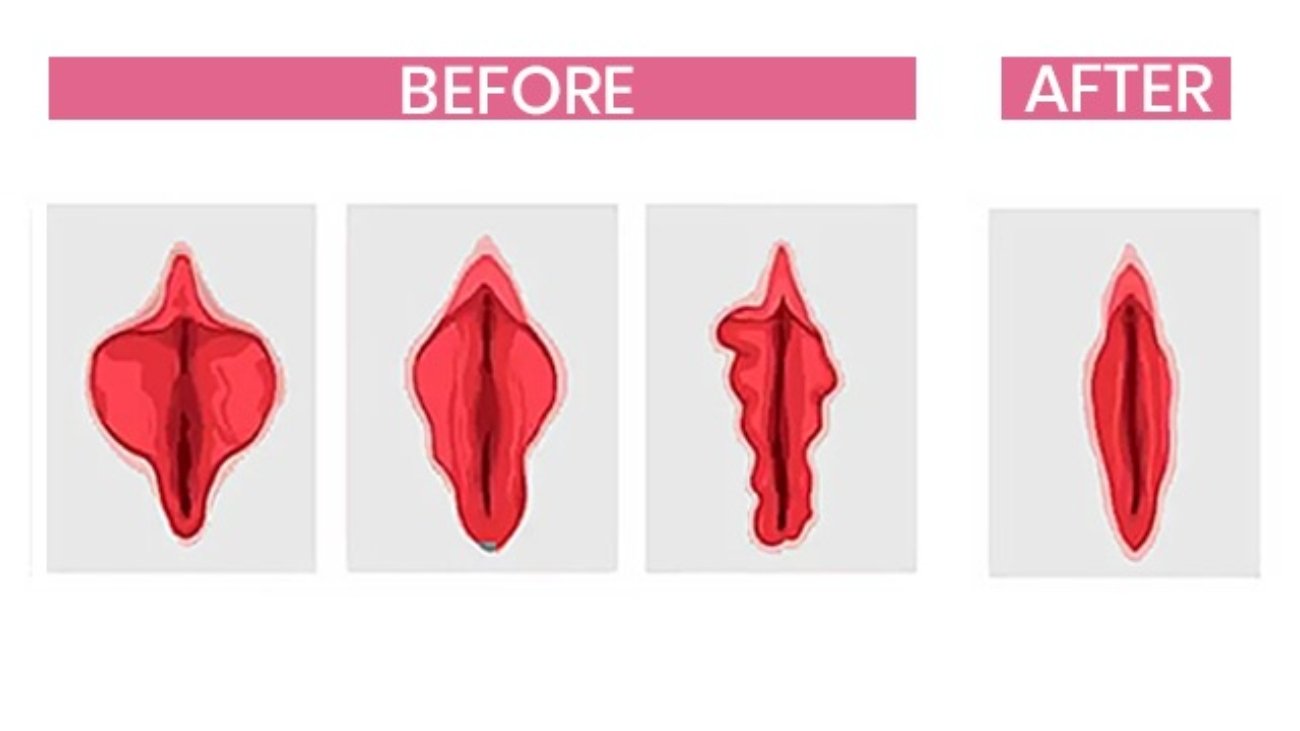
8. Labiaplasty for Comfort or Appearance Concerns
Labiaplasty is a surgical procedure involving the labial tissue.
Women may consider a consultation because of:
Repeated irritation.
Discomfort during exercise.
Friction from clothing.
Pain during certain activities.
Concerns following injury or childbirth.
Appearance-related concerns.
However, normal labial anatomy varies widely. A consultation should include respectful discussion of anatomy, expectations, possible benefits, risks, and alternatives.
Potential surgical risks may include:
Pain.
Bleeding.
Infection.
Scarring.
Changes in sensation.
Pain during intimacy.
Wound-healing problems.
The possibility of further treatment.
Labiaplasty should not be recommended simply because a patient does not resemble an idealized image seen online.
9. Surgical Procedures for Specific Medical Concerns
Some surgical procedures may be considered when there is a specific medical indication.
Depending on the concern, procedures may include:
Labiaplasty.
Revision labiaplasty.
Perineoplasty.
Vaginoplasty.
Repair following injury.
Reconstructive procedures.
Other gynecological surgery.
Surgery should be discussed only after an appropriate evaluation. Patients should understand the expected recovery, possible complications, and whether non-surgical options may be more suitable.
10. Intimate Wellness Counseling
Sexual wellness is influenced by more than anatomy.
A woman’s experience may be affected by:
Stress.
Anxiety.
Relationship concerns.
Pain.
Fatigue.
Hormonal changes.
Medication.
Previous negative experiences.
Body-image concerns.
Mental health.
Counseling or sex therapy may be helpful when emotional, psychological, or relationship factors contribute to the concern.
Seeking counseling does not mean that symptoms are imaginary. It means that sexual wellness is being addressed from a complete, patient-centered perspective.
Are Female Sexual Enhancement Treatments Safe?
Safety depends on:
The exact treatment.
The patient’s medical history.
The qualifications of the provider.
The evidence supporting the procedure.
The technique used.
Infection-control standards.
Follow-up and complication management.
Patients should be cautious of clinics or advertisements promising:
Guaranteed orgasm.
Permanent tightening.
Immediate results.
Zero risk.
No complications.
Permanent sexual enhancement.
Guaranteed improvement in relationships.
Results identical to another person.
A responsible medical consultation should explain both the potential benefits and the limitations of treatment.
Are These Treatments Suitable for Everyone?
No. Treatment may not be appropriate for women who:
Have an undiagnosed infection.
Have unexplained bleeding.
Are experiencing persistent pelvic pain.
Have an untreated gynecological condition.
Have unrealistic expectations.
Are seeking treatment because of external pressure.
Are pregnant or may be pregnant, depending on the procedure.
Have medical conditions that increase procedural risk.
The final decision should be based on an individual assessment.
How to Choose a Female Sexual Wellness Clinic in India
When choosing a clinic, consider:
The qualifications of the treating gynecologist.
Experience with the specific procedure.
A proper medical evaluation.
Clear explanation of risks and alternatives.
Privacy and confidentiality.
Appropriate infection-control practices.
Transparent pricing.
Realistic claims.
Written aftercare instructions.
Follow-up arrangements.
A clear plan for managing complications.
Do not choose a clinic only because it uses advanced technology or has attractive promotional images.
The most important question is whether the treatment is medically appropriate for your specific concern.
Questions to Ask Before Treatment
Before proceeding, ask:
What is the exact diagnosis or concern?
What is the purpose of this treatment?
Is the treatment medically necessary?
What evidence supports its use?
What are the possible risks?
What alternatives are available?
How long will recovery take?
Will repeat sessions be needed?
What results are realistic?
What happens if the treatment does not work?
Who will manage complications?
Can I take time to decide?
You should feel comfortable asking questions and choosing not to proceed.
Frequently Asked Questions
What are the best female sexual enhancement treatments in India?
There is no single best treatment for every woman. The appropriate option depends on the concern, medical history, diagnosis, and available evidence.
Can female sexual enhancement treatments improve sexual pleasure?
Some treatments may be considered for specific medical concerns, but no procedure can guarantee improved sexual pleasure. Sexual function is influenced by physical, hormonal, emotional, and relationship factors.
Is vaginal rejuvenation safe?
Safety depends on the exact procedure and device. Some energy-based treatments marketed for vaginal rejuvenation have been associated with serious complications. Patients should discuss evidence, risks, and alternatives before treatment.
Is laser vaginal tightening proven?
Evidence varies by device and medical indication. Patients should not assume that every laser or radiofrequency treatment is proven to improve vaginal tightness, dryness, urinary leakage, or sexual function.
Is the O-Shot scientifically proven?
PRP-based intimate treatments require careful evaluation because evidence varies and benefits are not guaranteed. Patients should ask about the specific indication, research, risks, and alternatives.
Are female sexual wellness injections permanent?
The duration of any effect depends on the exact substance, technique, and individual response. Some treatments may require repeat sessions, and permanent results should not be promised.
Can these treatments help after childbirth?
Some women experience postpartum changes that may benefit from medical evaluation, pelvic-floor therapy, hormonal care, or selected treatment. A procedure should not be recommended without understanding the underlying concern.
Can female sexual enhancement treatments treat vaginal dryness?
Vaginal dryness may have several causes. Treatment may include lubricants, moisturizers, hormonal care, or management of an underlying condition. The appropriate option depends on the patient’s symptoms and medical history.
Can these treatments help with urinary leakage?
Urinary leakage should be evaluated before treatment. Pelvic-floor therapy and other medical options may be appropriate depending on the cause. Cosmetic treatment should not be assumed to treat urinary symptoms.
Are non-surgical treatments completely painless?
No. Non-surgical treatments may cause warmth, discomfort, sensitivity, swelling, bruising, irritation, or other side effects.
How long does recovery take?
Recovery depends on the treatment. Some procedures may involve little scheduled downtime, while surgery may require several weeks of healing and activity restrictions.
How do I know whether I need treatment?
A consultation can help identify the cause of the concern and explain whether treatment, lifestyle changes, counseling, pelvic-floor therapy, medication, or reassurance may be appropriate.
Final Thoughts
Female sexual wellness is an important part of healthcare, but it should not be approached through unrealistic promises or celebrity-inspired expectations.
The right treatment depends on the individual concern, medical evaluation, evidence, risks, and personal goals.
Women should feel comfortable discussing dryness, pain, changes after childbirth, hormonal symptoms, urinary leakage, sexual concerns, and body-image questions with a qualified healthcare professional.
At LaBella CosGyn, patients can seek confidential guidance and learn about available options before making an informed decision.
Call or WhatsApp: 099883 09211
Clinic: SCO 35, With Yes Bank, Shri Balaji Complex, Opp. Domino’s, Dhakoli, Zirakpur, Punjab
Explore cosmetic gynecology: https://labellacosgyn.com/cosmetic-gynecology-india/
View treatments: https://labellacosgyn.com/treatments/
Contact LaBella CosGyn: https://labellacosgyn.com/contact-us/