

Labiaplasty Recovery: Healing Timeline, Aftercare & When to See a Doctor

Labiaplasty Recovery: Healing Timeline, Aftercare & When to See a Doctor

If you are considering labiaplasty or have recently undergone the procedure, understanding the recovery process can help you prepare for healing and follow your surgeon’s instructions with confidence.

Labiaplasty is a surgical procedure that reshapes or reduces the labia minora, the inner folds of skin around the vaginal opening. Recovery can involve swelling, tenderness, bruising and temporary discomfort, particularly during the initial healing period.

For women researching labiaplasty recovery in Chandigarh, Zirakpur, Mohali or Panchkula, knowing what to expect after surgery is an important part of making an informed decision.

At LaBella Cosgyn, associated with Dr. Nitasha Gupta’s women’s healthcare practice in Dhakoli, Zirakpur, patients can enquire about cosmetic gynecology consultations and available treatment services.

This guide explains the labiaplasty healing timeline, aftercare considerations, returning to daily activities, possible complications and questions to discuss with your surgeon.

What Is Labiaplasty?

Labiaplasty is a surgical procedure that changes the size or shape of the labia minora. Some people consider it because of persistent physical discomfort, irritation during certain activities or concerns about appearance.

What Is Labiaplasty

It is important to understand that labia naturally vary in size, shape, colour and symmetry. Inner labia that extend beyond the outer labia can be completely normal and do not automatically require treatment.

Before considering surgery, a qualified gynaecologist should discuss your concerns, expectations, alternatives and the possible risks of the procedure.

For more information about the procedure itself, read our guide to Labiaplasty in Chandigarh.

How Long Does Labiaplasty Recovery Take?

Labiaplasty recovery varies according to the surgical technique, extent of the procedure, individual healing and whether any complications occur.

As a general guide, soreness, bruising and swelling can be noticeable during the first two weeks. Many patients need time away from work, while complete tissue healing can take several weeks or longer.

The NHS notes that some patients may need up to two weeks away from work and that the skin can take a couple of months to heal fully. Your own surgeon’s instructions should take priority because recovery is individual.

Labiaplasty Recovery Timeline: What to Expect

First 24–72 hours: Initial recovery

Swelling, tenderness, bruising and discomfort may be noticeable. Sitting, walking or passing urine may feel uncomfortable for some patients.

Follow your surgeon’s instructions for prescribed medication, wound care, rest and any recommended cold compresses. Do not apply ice directly to the skin or use unapproved products on the surgical area.

Days 4–7: Early healing

Swelling and tenderness may continue, although symptoms should generally be monitored for improvement. Dissolvable stitches may be present, depending on the surgical technique.

Wear loose clothing that does not rub against the area and avoid strenuous activities. Contact your surgical team if symptoms are worsening rather than improving.

Week 2: Gradual return to routine

Some patients feel comfortable resuming light daily activities, while others need more time.

Returning to work depends on your recovery, the nature of your job and your surgeon’s advice. A desk-based role may be easier to resume than work involving prolonged standing, heavy lifting or frequent movement.

Do not assume that the external appearance at two weeks represents the final result.

Weeks 3–4: Continued tissue healing

Tenderness and swelling may continue to settle. The surgical area can remain sensitive, and the incision may not yet be ready for friction or strenuous activity.

Follow your surgeon’s instructions regarding exercise, wound care and sexual activity. Do not resume activities simply because the discomfort has reduced.

Weeks 4–6 and beyond: Progressive recovery

Some patients can gradually resume more activities during this period, depending on their healing and the procedure performed.

The NHS advises avoiding sex for at least four weeks and physical activity for four to six weeks following labiaplasty. Your surgeon may recommend a different period based on your recovery.

Complete healing can take a couple of months. Final assessment should be based on clinical healing rather than a fixed calendar date.

What Is Normal During Labiaplasty Recovery?

Some symptoms can occur as part of the normal healing process. Their severity and duration vary from person to person.

Swelling and Bruising

Swelling and bruising are common after surgery and may be more noticeable during the early recovery period.

Follow the recommended aftercare plan and avoid rubbing, pressing or repeatedly inspecting the surgical area. Seek medical advice if swelling suddenly increases, becomes severe or is accompanied by significant pain, bleeding or other concerning symptoms.

Tenderness and Discomfort

The area may feel sore, especially while sitting, walking or wearing tight clothing.

Take only medication recommended or approved by your treating clinician. If pain is severe, increasing or not responding to the prescribed plan, contact your surgical team.

Stitches and Incision Healing

Dissolvable stitches may be used during labiaplasty. Their presence and the time they take to disappear depend on the surgical technique and materials used.

Do not pull at stitches or attempt to remove them yourself. Ask your surgeon how to care for the incision and what to do if a stitch appears to loosen.

Temporary Discomfort While Urinating

Some patients experience discomfort when passing urine during early healing.

Follow your clinician’s hygiene instructions. If you cannot pass urine, develop worsening pain, notice blood that concerns you or experience other significant symptoms, seek prompt medical advice.

Labiaplasty Aftercare: How to Support Healing

Good aftercare helps you protect the surgical area while it heals. Always follow the instructions provided by the surgeon who performed your procedure.

1. Follow Your Wound-Care Instructions

Keep the area clean according to your clinician’s directions. Ask whether you should use water, a prescribed cleanser or any specific products.

Avoid applying antiseptics, perfumed products, vaginal washes or topical creams unless your clinician has recommended them.

2. Wear Loose, Comfortable Clothing

Tight underwear, restrictive trousers and clothing that rubs against the incision may increase discomfort.

Choose loose, breathable clothing while the area is tender and follow your surgeon’s advice about suitable underwear.

3. Manage Swelling Safely

Your surgeon may recommend a cold compress during the initial recovery period. Follow their instructions regarding the method, duration and frequency.

Never place ice directly against the skin or apply pressure to the incision.

4. Avoid Strenuous Activity Until Cleared

Walking around the home may be possible early in recovery, depending on your condition and your clinician’s advice. Running, cycling, gym workouts, heavy lifting and activities that cause friction may need to be avoided for longer.

Ask your surgeon when you can safely return to your usual exercise routine.

5. Take Medicines Only as Directed

Use prescribed pain relief and other medicines according to your clinician’s instructions.

Do not start antibiotics, creams, herbal preparations or supplements to accelerate healing without professional advice.

6. Attend Follow-Up Appointments

Follow-up visits allow your clinician to assess healing, address concerns and advise you about returning to normal activities.

Do not skip recommended reviews simply because the swelling or discomfort has improved.

When Can You Return to Work After Labiaplasty?

The time needed away from work depends on the nature of your job and how you are healing.

Some patients may return to desk-based work after approximately one to two weeks, while others need additional time. Jobs involving heavy lifting, long periods of standing, extensive walking or physical exertion may require a longer recovery period.

Before returning, consider whether you can sit comfortably, maintain the recommended hygiene routine and avoid activities that place pressure on the surgical area.

Your surgeon should advise you based on your recovery rather than a general timeline alone.

When Can You Exercise After Labiaplasty?

Strenuous exercise should be avoided until your surgeon confirms that it is appropriate to resume it.

Activities such as cycling, running, weight training, swimming and exercises involving significant friction or pressure may need to be restricted during healing.

The NHS advises avoiding physical activity for four to six weeks after labiaplasty, although individual recommendations can differ.

Ask your surgeon about a gradual return to activity, especially if your usual routine involves cycling, strength training, dancing or prolonged physical exertion.

When Can You Resume Sexual Activity?

Sexual activity should be avoided until the surgical area has healed sufficiently and your surgeon has cleared you to resume it.

The NHS recommends avoiding sex for at least four weeks after labiaplasty. Depending on the procedure and individual healing, a longer period may be necessary.

Resuming sexual activity too early can place friction or tension on healing tissue and may cause pain or interfere with recovery.

Do not use the absence of pain alone as proof that healing is complete. Ask your surgeon when it is safe to resume sexual activity and what symptoms should prompt a review.

Warning Signs After Labiaplasty: When to See a Doctor

Although some discomfort and swelling can occur during recovery, certain symptoms require prompt medical assessment.

Contact your treating clinician if you experience:

  • Heavy or persistent bleeding.

  • Increasing or severe pain.

  • Swelling that suddenly worsens or becomes pronounced.

  • Fever or symptoms suggesting infection.

  • Increasing redness, warmth or concerning discharge from the wound.

  • An incision that opens or appears to be separating.

  • Difficulty passing urine or inability to urinate.

Seek urgent medical care for severe symptoms, uncontrolled bleeding or inability to urinate. Do not wait for a routine follow-up appointment if you are concerned about a possible complication.

Possible complications of labiaplasty include infection, bleeding, scarring, changes in sensation, painful intercourse and the need for additional surgery. Discuss these risks with your surgeon before deciding on treatment.

Does Labiaplasty Recovery Affect the Final Result?

The appearance of the surgical area can change as swelling settles and the tissues heal.

Early swelling, bruising and temporary differences between the two sides do not necessarily indicate the final result. However, healing and outcomes vary, and no surgeon can guarantee a particular cosmetic result.

Your surgeon can advise when the area has healed sufficiently for a meaningful assessment. If you have concerns about asymmetry, persistent discomfort, scarring or changes in sensation, discuss them at your follow-up appointment.

Avoid comparing your early recovery with photographs of other patients because surgical techniques, anatomy and healing differ.

How to Choose a Labiaplasty Doctor in Chandigarh or Zirakpur

Choosing a qualified, experienced clinician is an important part of making an informed decision about labiaplasty.

Before proceeding, consider asking:

  • What are your qualifications and experience with labiaplasty?

  • What are the possible benefits, limitations and complications?

  • Which surgical technique is being considered and why?

  • What will my recovery plan involve?

  • How many follow-up appointments are recommended?

  • Who should I contact if I develop a complication?

  • What costs are included in the procedure and aftercare?

  • Are there non-surgical approaches or other options appropriate for my concern?

A consultation should give you time to discuss your expectations and make a decision without pressure. Surgery is not necessary simply because your labia look different from photographs or perceived beauty standards.

For additional information, visit About LaBella Cosgyn, or explore the clinic’s cosmetic gynecology services in Chandigarh.

Labiaplasty Consultation at LaBella Cosgyn, Dhakoli, Zirakpur

Women researching labiaplasty in Chandigarh, Zirakpur, Mohali and Panchkula may wish to understand the procedure, recovery expectations and available consultation options before making a decision.

LaBella Cosgyn provides information about cosmetic gynecology services through its website. Patients can contact the clinic to confirm the services available, appointment arrangements and the appropriate clinician for their concerns.

Clinic: LaBella Cosgyn
Location: SCO 35, Shri Balaji Complex, Dhakoli, Zirakpur, Punjab 160104

To enquire about an appointment, visit the LaBella Cosgyn Contact page.

An individual consultation can help you discuss your concerns, understand the possible risks and benefits, and decide whether any procedure is appropriate for you. Choosing not to undergo surgery is also a valid decision.

Frequently Asked Questions About Labiaplasty Recovery

1. How long does labiaplasty recovery take?

Initial swelling, bruising and tenderness may last around two weeks, while complete healing can take a couple of months. Recovery depends on the procedure performed and individual healing. Follow your surgeon’s advice about returning to normal activities.

2. How long does swelling last after labiaplasty?

Swelling is common during the early recovery period and may remain noticeable for a few weeks. If swelling suddenly worsens, becomes severe or is accompanied by increasing pain, fever or bleeding, contact your treating clinician.

3. How many days off work are needed after labiaplasty?

Some patients may need around one to two weeks away from work, but the required time varies. Physically demanding jobs may require a longer break. Your surgeon can advise you based on your recovery and work responsibilities.

4. When can I exercise after labiaplasty?

Strenuous exercise and activities that cause friction or pressure may need to be avoided for four to six weeks or longer, depending on your healing. Resume activity only according to your surgeon’s instructions.

5. When can I have sex after labiaplasty?

The NHS advises avoiding sex for at least four weeks after labiaplasty. Your surgeon may recommend waiting longer depending on healing. Resume sexual activity only after receiving appropriate clearance.

6. Are stitches used during labiaplasty?

Dissolvable stitches may be used, depending on the surgical technique. Do not pull or remove stitches yourself. Follow your surgeon’s instructions and seek advice if the wound appears to open or the stitches cause concern.

7. Is bleeding normal after labiaplasty?

Minor spotting may occur after some surgical procedures, but heavy, persistent or increasing bleeding requires prompt medical assessment. Follow your clinician’s specific guidance about what to expect after your operation.

8. What are the warning signs of infection after labiaplasty?

Possible warning signs include fever, increasing pain, worsening redness, warmth or concerning wound discharge. Contact your treating clinician promptly if you develop these symptoms.

9. Can I travel after labiaplasty?

Travel arrangements depend on your recovery, the distance involved and the type of journey. Ask your surgeon when it is appropriate to travel, how to manage discomfort and when you should attend follow-up appointments. Do not travel if you have concerning symptoms without first obtaining medical advice.

10. Where can I enquire about labiaplasty in Chandigarh or Zirakpur?

You can contact LaBella Cosgyn in Dhakoli, Zirakpur, to enquire about available cosmetic gynecology consultations. Confirm the relevant clinician, appointment availability and services before visiting.

Medical Disclaimer

This article provides general educational information and is not a substitute for individual medical advice, diagnosis or treatment. Recovery times are approximate and vary between patients. Always follow the instructions of the clinician responsible for your care.
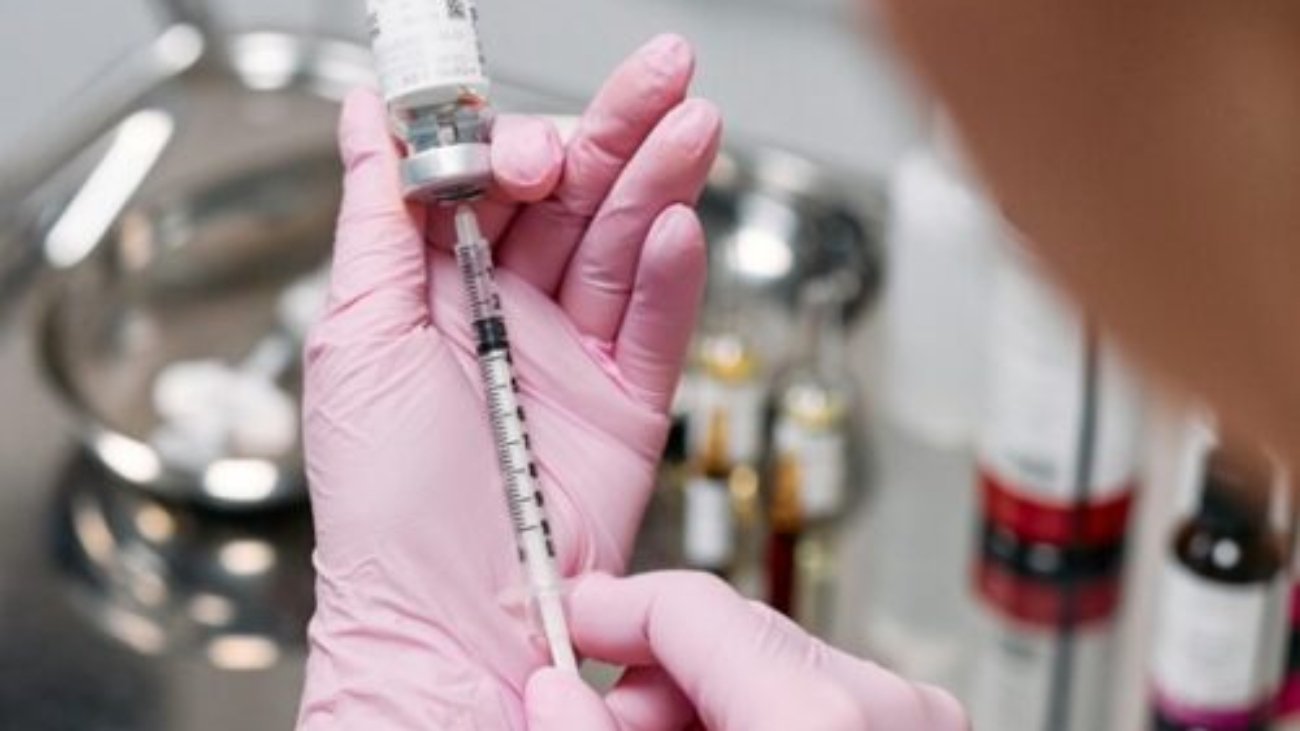
K-TOX Vaginal Relaxation Injections

Recovery & Downtime After Cosmetic Gynecology Procedures: What to Expect in 2026

Introduction: Why Recovery Matters in Cosmetic Gynecology

Recovery and downtime are important considerations for anyone exploring cosmetic gynecology.

Before choosing a procedure, patients should understand:

  • How much time may be needed for recovery.

  • When normal daily activities may be resumed.

  • When exercise may be restarted.

  • When sexual activity may be resumed.

  • What temporary symptoms may occur.

  • Which warning signs require medical attention.

  • Whether the treatment is appropriate for the individual concern.

Recovery is not the same for every patient. A surgical procedure may require several weeks of healing, while some non-surgical treatments may involve little or no scheduled downtime. However, non-surgical does not automatically mean risk-free, proven, or suitable for everyone.

At LaBella CosGyn, recovery planning should be based on the specific procedure, the patient’s medical history, realistic expectations, and clear aftercare instructions.


What Affects Recovery After Cosmetic Gynecology Procedures?

Several factors can influence recovery time and comfort.

1. Type of Procedure

Surgical procedures generally involve more tissue healing than non-surgical treatments.

2. Extent of Treatment

Recovery may vary depending on how much tissue is treated, removed, repaired, or reshaped.

3. Individual Healing Response

Patients heal at different rates. Swelling, bruising, sensitivity, and discomfort may last longer in some individuals.

4. General Health

Medical conditions, medications, smoking, nutritional status, and previous procedures may affect healing.

5. Post-Procedure Care

Following the doctor’s instructions can help reduce avoidable problems and support recovery.

6. Follow-Up Care

Follow-up appointments allow the doctor to assess healing and identify complications early if they occur.

A general timeline is only an estimate. The treating doctor’s instructions should always take priority.


Recovery After Surgical Cosmetic Gynecology Procedures

Surgical procedures may involve incisions, sutures, swelling, bruising, and a period of restricted activity.

Depending on the patient’s concern and treatment plan, procedures may include:

  • Labiaplasty.

  • Revision labiaplasty.

  • Clitoral hood reduction.

  • Vaginoplasty.

  • Perineoplasty.

  • Mons pubis reduction.

  • Labia majora surgery.

  • Hymenoplasty.

  • Reconstructive procedures following injury or childbirth.

Not every procedure is appropriate for every patient. A consultation is necessary to understand the purpose, benefits, risks, and expected recovery.


General Surgical Recovery Timeline

The following timeline is only a general guide. Recovery may be shorter or longer depending on the procedure and individual healing.

First 48–72 Hours

Patients may experience:

  • Swelling.

  • Bruising.

  • Mild to moderate discomfort.

  • Tightness or sensitivity.

  • Difficulty sitting comfortably.

  • Temporary changes in routine.

Rest and the prescribed aftercare plan are usually important during this stage.

First Week

During the first week, patients may still experience swelling and tenderness. Some patients may be able to return to light desk work, while others may need additional rest.

The timing of a return to work depends on:

  • The type of procedure.

  • The physical demands of the job.

  • The amount of swelling or discomfort.

  • The doctor’s assessment.

One to Two Weeks

Many patients experience gradual improvement in comfort during this period. However, swelling and sensitivity may still be present.

Patients should not assume that they are fully healed simply because they feel better.

Four to Six Weeks

Depending on the procedure, the doctor may gradually allow:

  • More physical activity.

  • Exercise.

  • Longer periods of sitting.

  • Sexual activity.

These activities should only be resumed after the treating doctor confirms that healing is adequate.

Several Months

Some swelling, scar maturation, and changes in tissue sensitivity may continue for several months. The final appearance or outcome may not be immediately visible after surgery.


Recovery After Labiaplasty

Labiaplasty involves reshaping or reducing the labia. Recovery may include soreness, bruising, swelling, and temporary discomfort while sitting or walking.

Patients may be advised to:

  • Rest during the initial recovery period.

  • Wear loose, comfortable clothing.

  • Keep the area clean according to medical instructions.

  • Avoid friction and pressure.

  • Avoid strenuous exercise until cleared.

  • Avoid sexual activity until healing is sufficient.

  • Attend all follow-up appointments.

Some patients may need time away from work, particularly if their job involves prolonged sitting, physical activity, or travel.

The exact recovery period varies according to the surgical technique, the extent of treatment, and the patient’s healing response.


Recovery After Vaginoplasty or Perineoplasty

Vaginoplasty and perineoplasty may involve deeper tissue repair and can require a longer recovery period than some external procedures.

Patients may experience:

  • Swelling.

  • Tenderness.

  • A feeling of tightness.

  • Temporary discomfort while sitting or walking.

  • Restrictions on exercise.

  • Restrictions on vaginal penetration.

Depending on the procedure, patients may be advised to avoid tampons and sexual intercourse for several weeks. The exact period must be determined by the treating surgeon.

Do not resume sexual activity simply because the external area appears healed. Internal tissues may require additional time to recover.


Recovery After Clitoral Hood Reduction

Clitoral hood reduction is a delicate procedure because the area contains sensitive structures.

Recovery may include:

  • Swelling.

  • Bruising.

  • Temporary sensitivity.

  • Tenderness.

  • Discomfort with clothing or movement.

Patients should follow the surgeon’s instructions carefully and avoid pressure, friction, and sexual activity until they are medically cleared.

Because the area is highly sensitive, patients should discuss potential changes in sensation and other risks before deciding on treatment.


Recovery After Mons Pubis or Labia Majora Procedures

Procedures involving the mons pubis or labia majora may cause swelling and bruising in the treated area.

Recovery instructions may include:

  • Wearing supportive but non-restrictive clothing.

  • Avoiding pressure on the treated area.

  • Limiting strenuous exercise.

  • Avoiding heavy lifting until cleared.

  • Using cold packs only as directed.

  • Attending follow-up visits.

Swelling may take longer to settle in areas containing more fatty tissue. The final result may become clearer gradually rather than immediately.


Recovery After Hymenoplasty

Hymenoplasty is a procedure involving the hymenal tissue. Recovery depends on the technique used and the individual patient.

Patients should receive clear instructions regarding:

  • Hygiene.

  • Physical activity.

  • Sexual activity.

  • Medication.

  • Warning signs.

  • Follow-up appointments.

Patients should also understand that hymen appearance cannot reliably establish whether someone has had sexual intercourse. A medical consultation should be respectful, confidential, and free from judgment or pressure.


Recovery After Non-Surgical Cosmetic Gynecology Treatments

Non-surgical treatments may involve devices, injections, or other techniques. The recovery experience depends on the exact treatment and the reason it is being considered.

Some treatments may cause temporary:

  • Warmth.

  • Redness.

  • Mild swelling.

  • Sensitivity.

  • Tenderness.

  • Irritation.

However, it is not appropriate to promise that every patient will return to normal activities immediately.

Before treatment, patients should ask:

  • What exact device or product will be used?

  • What is the treatment intended to address?

  • What evidence supports its use?

  • What side effects are possible?

  • What activities should be avoided?

  • When should the patient contact the clinic?

  • How many sessions may be recommended?

  • What happens if the treatment does not provide the expected result?


Are Non-Surgical Treatments Always Safer?

No.

The terms “non-surgical,” “minimally invasive,” and “little downtime” do not automatically mean that a treatment is risk-free.

Some energy-based treatments marketed for vaginal rejuvenation have been associated with serious complications, including burns, scarring, pain during sex, and persistent pain. Patients should be given accurate information about the evidence, risks, limitations, and regulatory status of the specific treatment being considered.

A responsible consultation should never rely only on marketing terms such as:

  • Vaginal rejuvenation.

  • Tightening.

  • Regeneration.

  • Rejuvenation.

  • Painless treatment.

  • Zero downtime.

  • Permanent results.

The safety and suitability of a treatment must be evaluated individually.


Recovery After Injectable Treatments

Some intimate wellness procedures involve injections. Recovery depends on the substance used, the injection site, the purpose of treatment, and the patient’s medical history.

Temporary symptoms may include:

  • Mild swelling.

  • Tenderness.

  • Bruising.

  • Sensitivity.

  • Local discomfort.

Patients should ask about:

  • The exact substance being injected.

  • Whether the treatment is approved or established for the intended use.

  • Possible side effects.

  • The qualifications of the person administering it.

  • How complications would be managed.

  • Whether treatment is appropriate during pregnancy or while trying to conceive.

Do not assume that an injectable treatment is suitable simply because it is marketed as quick or convenient.


What About K-TOX Vaginal Relaxation Injections?

K-TOX or other injectable treatments should only be considered after a proper medical evaluation and discussion of the intended purpose, possible benefits, limitations, and risks.

The phrase “vaginal relaxation” can refer to different concerns. It is important to identify whether the patient is experiencing:

  • Pelvic-floor symptoms.

  • Pain.

  • Muscle spasm.

  • Sexual discomfort.

  • A concern related to appearance.

  • Another underlying medical condition.

A treatment should not be selected solely because of its name or marketing description.

Patients should receive individual advice regarding:

  • Whether the treatment is appropriate.

  • The expected onset of effect.

  • How long any effect may last.

  • Possible side effects.

  • Activity restrictions.

  • Follow-up requirements.

  • Alternatives that may be more suitable.

Treatment availability does not mean treatment is medically necessary.


Post-Procedure Care Guidelines

Aftercare instructions vary by procedure, but general guidance may include the following.

Keep the Area Clean

Follow the clinic’s hygiene instructions. Avoid using products that have not been recommended by your doctor.

Wear Loose Clothing

Loose, breathable clothing may help reduce rubbing and pressure during recovery.

Avoid Strenuous Activity

Avoid heavy lifting, high-impact exercise, cycling, horseback riding, and other activities until the doctor provides clearance.

Take Medicines as Prescribed

Use prescribed medication according to the instructions. Do not take additional medicines or apply creams without medical advice.

Avoid Sexual Activity Until Cleared

Sexual activity may place pressure on healing tissues and should only be resumed when the doctor confirms that it is safe.

Do Not Disturb Sutures or Healing Tissue

Avoid scratching, pulling, or examining the area repeatedly. Follow instructions regarding dressings and wound care.

Attend Follow-Up Appointments

Follow-up visits are important even if recovery appears normal.


When Should You Contact Your Doctor?

Contact your treating doctor if you experience:

  • Increasing rather than improving pain.

  • Significant or rapidly increasing swelling.

  • Heavy bleeding.

  • Fever.

  • Foul-smelling or unusual discharge.

  • Increasing redness or warmth.

  • Wound separation.

  • Difficulty passing urine.

  • Severe or persistent burning.

  • New loss of sensation.

  • Symptoms that concern you or do not improve as expected.

Seek urgent medical care for severe bleeding, difficulty breathing, fainting, severe allergic symptoms, or other emergency symptoms.


When Can You Return to Work?

The timing depends on the procedure and the nature of your work.

Desk-Based Work

Some patients may return to desk work after several days or around one to two weeks, depending on comfort and the doctor’s advice.

Physically Demanding Work

Jobs involving lifting, prolonged standing, walking, bending, or physical exertion may require a longer recovery period.

Travel

Travel planning should consider:

  • Sitting for long periods.

  • Access to medical care.

  • Medication requirements.

  • Risk of friction or pressure.

  • The possibility of swelling or discomfort.

Patients should discuss travel plans with their doctor before scheduling treatment.


When Can Exercise Be Resumed?

Exercise should be restarted gradually and only after medical clearance.

Patients may need to avoid:

  • Running.

  • Cycling.

  • Gym workouts.

  • Heavy lifting.

  • Squats.

  • High-impact exercise.

  • Swimming.

  • Activities that cause friction or pressure.

The return-to-exercise timeline depends on the procedure and the healing process.


When Can Sexual Activity Be Resumed?

Sexual activity should only be resumed after the treating doctor confirms that healing is adequate.

The timing may vary depending on:

  • The type of procedure.

  • Whether internal tissues were treated.

  • The presence of swelling or tenderness.

  • Wound healing.

  • Any complications.

  • The doctor’s examination.

Returning too early may increase discomfort or interfere with healing.


When Can Results Be Seen?

Results are not always visible immediately.

Surgical Procedures

Initial changes may be hidden by swelling and bruising. The appearance may continue to change as tissues heal and scars mature.

Non-Surgical Treatments

Some treatments may require more than one session, and any reported changes may develop gradually. Results are not guaranteed.

Injectable Treatments

The timing and duration of effects depend on the specific product, dose, injection technique, and individual response.

Patients should be cautious of claims promising immediate, permanent, or guaranteed results.


Can Recovery Be Planned Around a Wedding?

Patients considering elective treatment before a wedding should discuss timing carefully with their doctor.

It is generally unwise to schedule an elective procedure immediately before an important event because:

  • Healing may take longer than expected.

  • Swelling may persist.

  • Bruising may occur.

  • Complications are possible.

  • Follow-up appointments may be required.

  • The final result may not be visible quickly.

A wedding date should not create pressure to undergo treatment. If a procedure is being considered, allow sufficient time for recovery and follow the doctor’s advice.


Cosmetic Gynecology Recovery in Zirakpur and Chandigarh

Patients from Zirakpur, Dhakoli, Panchkula, Chandigarh, Mohali, and Dera Bassi can contact LaBella CosGyn to discuss their concerns and understand the recovery requirements of a specific procedure.

A consultation may help you understand:

  • Whether treatment is appropriate.

  • What recovery may involve.

  • How much time may be needed away from work.

  • What activities may need to be avoided.

  • What follow-up care is required.

  • What alternatives may be available.

Explore the available information:


Frequently Asked Questions

How long does recovery after cosmetic gynecology take?

Recovery varies by procedure. Some surgical procedures may require several weeks of restricted activity, while certain non-surgical treatments may involve shorter recovery. Your doctor should provide a procedure-specific timeline.

How many days of rest are needed after labiaplasty?

Some patients may need several days away from work, while others may require up to two weeks or longer depending on the procedure, discomfort, and job requirements.

When can I exercise after cosmetic gynecology surgery?

Exercise should be resumed gradually after medical clearance. High-impact exercise, cycling, heavy lifting, and activities that cause pressure or friction may need to be avoided for several weeks.

When can I have sex after cosmetic gynecology surgery?

Sexual activity should only be resumed after the treating doctor confirms that the tissues have healed sufficiently. The timeline depends on the procedure and the patient’s recovery.

Is non-surgical cosmetic gynecology completely painless?

No. Some treatments may cause warmth, sensitivity, swelling, bruising, or discomfort. Patients should ask about the expected side effects of the exact treatment.

Is non-surgical treatment always safer than surgery?

No. Every treatment has potential risks. Some energy-based treatments marketed for vaginal rejuvenation have been associated with serious complications.

Can I return to work the next day?

It depends on the procedure and the type of work. Some patients may return quickly after selected treatments, while surgical procedures may require more time.

Can I travel after cosmetic gynecology treatment?

Travel should be discussed with the treating doctor. Long periods of sitting, limited access to care, medication needs, and possible swelling should be considered.

What should I wear during recovery?

Loose, breathable clothing may reduce pressure and friction. Your doctor may provide more specific instructions based on the procedure.

What are warning signs after cosmetic gynecology?

Contact your doctor for increasing pain, heavy bleeding, fever, unusual discharge, wound separation, difficulty passing urine, or rapidly increasing swelling.

Should I schedule treatment before my wedding?

Discuss timing carefully with your doctor. Elective treatment should not be scheduled so close to the wedding that there is insufficient time for healing or management of possible complications.

Does every patient need a follow-up appointment?

Follow-up care is important after most procedures. It allows the doctor to assess healing and address concerns early.

Can recovery take longer than expected?

Yes. Healing varies between patients. Swelling, tenderness, scar changes, and sensitivity may persist longer than expected.


Final Thoughts

Recovery is an important part of any cosmetic gynecology decision.

Before choosing treatment, patients should understand the expected downtime, possible side effects, activity restrictions, follow-up requirements, and warning signs.

There is no single recovery timeline that applies to every procedure or every patient. The most reliable guidance comes from the doctor who has evaluated you and understands the exact treatment being considered.

At LaBella CosGyn, patients can discuss their concerns, understand available options, and receive individualized information before making a decision.

Call or WhatsApp: 099883 09211

Clinic: SCO 35, With Yes Bank, Shri Balaji Complex, Opp. Domino’s, Dhakoli, Zirakpur, Punjab

Contact LaBella CosGyn: https://labellacosgyn.com/contact-us/