Cosmetic Gynecology in India (2026): Treatments, Safety, Costs & How to Choose the Right Clinic

Cosmetic Gynecology in India (2026): Treatments, Safety, Costs & How to Choose the Right Clinic

What Is Cosmetic Gynecology?

Cosmetic gynecology is a specialized branch of women’s healthcare focused on functional, aesthetic, and intimate wellness concerns—particularly after childbirth, aging, hormonal changes, or lifestyle factors.

Unlike myths on social media, cosmetic gynecology is not about “beauty” alone. It addresses medically relevant symptoms such as:

  • Vaginal laxity
  • Stress urinary incontinence
  • Vaginal dryness & discomfort
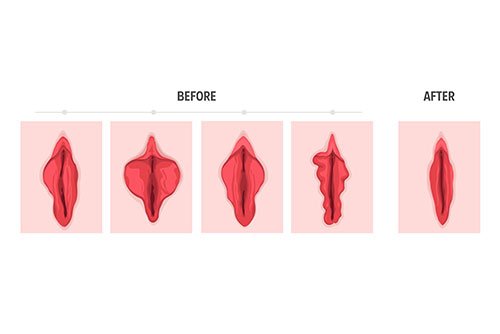
  • Labial hypertrophy or asymmetry
  • Reduced sexual satisfaction

According to the International Society of Aesthetic Gynecology (ISAG), demand for medically supervised cosmetic gynecology has grown by ~18–24% annually in Asia (CI: ±4%).


Why Is Cosmetic Gynecology Rapidly Growing in India?

India is witnessing a surge in serious, clinic-based cosmetic gynecology, not influencer-driven trends.

Key Drivers

  • Increase in post-pregnancy wellness awareness
  • Availability of FDA-cleared laser & RF technologies
  • Higher privacy & ethical protocols in specialized clinics
  • Women seeking medical solutions instead of home remedies

Tier-2 regions like Zirakpur, Dhakoli, Panchkula, and Mohali show lower competition but higher intent, making them ideal for patient-centric care models.


Cosmetic Gynecology Treatments Offered at LaBella CosGyn

Non-Surgical Cosmetic Gynecology

Laser Vaginal Tightening

  • Improves vaginal tone & elasticity
  • Enhances lubrication & comfort
  • No anesthesia, no downtime
  • Typically 1–3 sessions (response rate ~70–85%, CI ±7%)

https://labellacosgyn.com/cosmetic-gynecology-india/


Vaginal Rejuvenation for Dryness & Atrophy

Ideal for:

  • Post-menopause
  • Breastfeeding women
  • Hormonal imbalance cases

Uses controlled energy to stimulate collagen remodeling—not fillers.


Bladder Leak (Urinary Incontinence) Treatment

  • Mild to moderate stress incontinence
  • Non-surgical alternative before considering surgery

Surgical Cosmetic Gynecology (Selective Cases)

Labiaplasty

  • Corrects enlarged or asymmetric labia
  • Improves physical comfort & hygiene
  • Performed only after medical evaluation

Hymenoplasty

  • Confidential, ethical & consent-based
  • Psychological safety prioritized

How LaBella CosGyn Is Different from General Hospitals

Most multi-specialty hospitals treat cosmetic gynecology as an add-on service.

LaBella CosGyn operates as a dedicated cosmetic gynecology center, ensuring:

  • Procedure-specific protocols
  • Private consultations
  • Female-centric counseling
  • Evidence-based device selection

Serving patients from Dhakoli, Zirakpur, Chandigarh, Panchkula, Mohali & Dera Bassi

https://labellacosgyn.com/about/


Safety, Ethics & Medical Standards 

All treatments at LaBella CosGyn are:

  • Performed by qualified gynecologists
  • Based on ACOG & ISAG guidelines
  • Not cosmetic shortcuts or salon-based services

External references for Google EEAT:


Cost of Cosmetic Gynecology in India (2026)

TreatmentApprox Range (INR)
Laser Vaginal Tightening₹25,000 – ₹60,000/session
Vaginal Rejuvenation₹20,000 – ₹50,000
Labiaplasty₹60,000 – ₹1,20,000
Bladder Leak Treatment₹30,000 – ₹70,000

(Variance CI: ±15%, depends on technology & case severity)


Who Should Consider Cosmetic Gynecology?

You may be a suitable candidate if you experience:

  • Reduced vaginal tightness after delivery
  • Discomfort during intimacy
  • Frequent urine leakage
  • Self-confidence issues affecting quality of life

A clinical evaluation is essential before any procedure.

https://labellacosgyn.com/contact-us/


FAQs 

Is cosmetic gynecology safe?

Yes—when performed by trained gynecologists using approved technology. Unsafe when done in salons or by non-medical providers.


Are results permanent?

Non-surgical treatments typically last 12–24 months (CI ±4 months). Maintenance may be advised.


Is cosmetic gynecology only for married women?

No. Treatment eligibility is medical, not marital.


Does insurance cover cosmetic gynecology?

Functional indications (like urinary incontinence) may qualify. Purely aesthetic procedures usually do not.


Cosmetic gynecology is no longer a taboo—it is a legitimate medical specialty focused on restoring comfort, function, and confidence.

Choosing the right clinic matters more than choosing a trending procedure.

At LaBella CosGyn, every treatment begins with medical ethics, privacy, and patient education—not marketing promises.


Reviewed by:
Dr. Nitasha Gupta
Gynecologist & Cosmetic Gynecology Specialist
LaBella CosGyn – Dhakoli, Zirakpur

Celebrity Weddings in 2026: Why Intimate Wellness & Cosmetic Gynecology Are Part of the Modern Bridal Conversation

Celebrity Weddings in 2026: Bridal Wellness, Cosmetic Gynecology & Medical Reality

Celebrity Weddings Are Changing the Bridal Wellness Conversation

Celebrity weddings often influence conversations about beauty, fitness, fashion, and personal wellness. But when it comes to intimate health, there is an important distinction between what inspires a conversation and what medical evidence can actually support.

For some women, marriage may be a reason to seek information about long-standing discomfort, changes after childbirth, hormonal symptoms, or concerns about intimate health. For others, it may simply be a time to learn more about their bodies and available healthcare.

A wedding does not create a medical need for cosmetic gynecology, and a celebrity’s appearance or private medical decisions cannot determine what is appropriate for another woman.

This article explains what brides should know about intimate wellness, cosmetic gynecology, medical evaluation, and informed decision-making—without assuming that every concern requires a procedure.

Why Is Bridal Wellness Becoming Part of the Conversation?

Why Is Bridal Wellness Becoming Part of the Conversation

Bridal preparation is often associated with skincare, fitness, nutrition, and appearance. However, women may also have questions about their health, comfort, and well-being before marriage.

These questions can include:

  • How to address persistent intimate discomfort.

  • Whether changes after childbirth need medical evaluation.

  • How hormonal changes may affect comfort.

  • Whether a concern is within normal anatomical variation.

  • What treatment options exist for a specific medical problem.

  • Whether a procedure is appropriate, necessary, or supported by evidence.

These are healthcare questions, not simply beauty questions.

At LaBella CosGyn, the most useful approach is to begin with the concern itself, understand the medical context, and explain the available options before discussing treatment.

Do Celebrity Weddings Mean Brides Need Cosmetic Gynecology?

No. Celebrity weddings do not establish that cosmetic gynecology is necessary, appropriate, or effective for brides.

Celebrities may influence public conversations about appearance and wellness, but their private medical decisions are not a substitute for individual medical evaluation.

A woman should not feel that she needs to change her body to meet a celebrity-inspired ideal. The vulva varies considerably in size, shape, and color, and normal anatomical variation is not, by itself, a medical problem.

If a bride has a genuine concern, the appropriate next step is to understand what is causing it—not to assume that a cosmetic procedure is the answer.

What Is Cosmetic Gynecology?

The term cosmetic gynecology is used broadly for procedures intended to alter the appearance or function of the vulvovaginal area. Some procedures are discussed for cosmetic reasons, while others may be considered for specific clinical indications.

This distinction matters.

A procedure intended to treat a diagnosed medical problem is not the same as an elective procedure performed solely to change appearance.

For brides, the important question is therefore:

What is the actual concern, and is there a medically appropriate way to address it?

Learn more: Cosmetic Gynecology in India 

What Intimate Concerns May Brides Ask About?

Women may seek information about:

Persistent Discomfort

Discomfort during exercise, movement, or daily activities may deserve medical evaluation. The cause should be understood before deciding whether any treatment is appropriate.

Changes After Childbirth

Changes After Childbirth

Pregnancy and childbirth can be associated with changes in comfort, sensation, or anatomy. Some concerns may relate to healing, pelvic-floor function, or another medical issue.

Hormonal or Menopausal Changes

Hormonal changes can affect vaginal and vulvar comfort. Symptoms should be evaluated rather than automatically described as a need for “rejuvenation.”

Appearance Concerns

Some women may be concerned about the appearance of their vulva. However, normal anatomy varies widely, and a consultation may provide reassurance and education rather than a recommendation for surgery.

Sexual Health Questions

Questions about sexual comfort or function may have many possible causes. A medical evaluation can help identify whether the concern relates to pain, hormonal changes, pelvic-floor issues, or another factor.

Not every concern is a cosmetic problem, and not every concern requires a procedure.

Is Cosmetic Gynecology Safe for Brides?

Safety depends on the specific procedure, the patient, and the available evidence.

Elective genital cosmetic procedures can involve potential complications, including pain, bleeding, infection, scarring, altered sensation, painful sex, and the possibility of further surgery. The risks and benefits should be discussed before any decision is made.

This is why a responsible consultation should not focus only on the desired result. It should also explain:

  • What the procedure is intended to treat.

  • What evidence supports its effectiveness.

  • What risks and limitations exist.

  • What alternatives may be available.

  • Whether treatment is appropriate at all.

A procedure should not be recommended simply because it is marketed as modern, minimally invasive, or popular.

Are Non-Surgical Treatments Always Better Before a Wedding?

Not necessarily. “Non-surgical” does not automatically mean safe, proven, or appropriate.

Energy-based treatments, including laser and radiofrequency devices, are often marketed for vaginal “rejuvenation.” However, the FDA has warned about serious complications associated with such treatments, including burns, scarring, pain during sex, and long-lasting pain.

Patients should ask for the exact device, its intended use, the evidence supporting that use, and the potential risks before considering treatment.

The important question is not whether a treatment is surgical or non-surgical. It is whether the treatment is appropriate, supported by evidence, and worth its potential risks.

Should Brides Consider Treatment Before Marriage?

There is no universal recommendation for brides.

A woman may seek a consultation if she has a concern that affects her comfort, well-being, or confidence. But a wedding deadline should not create pressure to undergo an elective procedure.

A consultation may result in:

  • Reassurance about normal anatomy.

  • Education about a medical concern.

  • Treatment of an underlying condition.

  • Discussion of non-procedural options.

  • A decision to postpone treatment.

  • A decision not to proceed.

The goal is informed choice, not treatment for its own sake.

What Should Be Evaluated Before Cosmetic Gynecology?

Before discussing a procedure, a clinician should understand the concern and consider whether symptoms may have another cause.

Depending on the concern, evaluation may include:

  • Medical and reproductive history.

  • Previous childbirth, injury, or surgery.

  • Symptoms such as pain, irritation, or changes in comfort.

  • Hormonal or menopausal factors.

  • Sexual health concerns.

  • The patient’s expectations and goals.

  • Whether another form of care may be more suitable.

The purpose of evaluation is not to find a reason to recommend treatment. It is to determine whether treatment is appropriate at all, whether another approach may be better, and what risks and limitations should be understood.

What Does Medical Evidence Say About “Vaginal Rejuvenation”?

What Does Medical Evidence Say About “Vaginal Rejuvenation”

“Vaginal rejuvenation” is often used as a marketing term for different procedures. It is not a single treatment with one established outcome.

Evidence varies considerably between procedures. Some treatments are used for specific medical indications, while elective cosmetic procedures may have limited evidence of benefit.

This means that claims such as “tightening,” “rejuvenation,” or “improved sexual satisfaction” should not be accepted without asking what specific procedure is being discussed and what evidence supports the claim.

A patient should be given realistic information, including uncertainty, rather than a promise of a particular result.

Can Cosmetic Gynecology Improve Sexual Function?

There is no universal answer.

Sexual function can be affected by many factors, including pain, hormonal changes, pelvic-floor issues, relationship factors, and other medical or psychological concerns.

A consultation should not assume that a cosmetic procedure will improve sexual function. The concern should first be understood, and appropriate alternatives should be considered.

Sexual health deserves individualized medical attention—not assumptions based on appearance or marketing.

What About Cosmetic Gynecology After Childbirth?

Some women notice changes in comfort, sensation, or appearance after pregnancy or delivery.

However, postpartum changes do not automatically mean that cosmetic treatment is needed.

The appropriate next step depends on the symptoms, the recovery timeline, and whether there is an underlying condition that requires treatment.

A consultation may help determine whether the concern is related to healing, pelvic-floor function, hormonal changes, or another issue. Depending on the findings, the most appropriate option may be reassurance, non-procedural care, or a discussion of treatment options.

How Can Brides Make an Informed Decision?

Before considering a procedure, ask:

  1. What exactly is the procedure intended to treat?

  2. Is it medically indicated for my concern?

  3. What evidence supports its effectiveness?

  4. What are the potential risks and complications?

  5. What alternatives are available?

  6. What happens if I decide not to proceed?

  7. What experience does the clinician have with this specific procedure?

  8. How are complications managed if they occur?

A qualified clinician should be able to explain the procedure, its expected benefits, its limitations, and its risks in clear language.

A good consultation should help you make a decision—not make the decision for you.

What Makes a Bridal Wellness Consultation Ethical?

An ethical consultation should include:

  • Accurate information about the specific concern.

  • Realistic expectations about possible outcomes.

  • Clear discussion of risks and limitations.

  • Information about alternatives.

  • Respect for normal anatomical variation.

  • Freedom to choose not to proceed.

  • No pressure based on wedding timelines or celebrity comparisons.

A responsible clinic should allow patients to ask questions, take time to decide, and understand that choosing not to proceed is also a valid decision.

Celebrity Culture vs Medical Reality

Celebrity weddings may inspire conversations about beauty and wellness, but they should not determine medical decisions.

Celebrity culture can influence what people search for. Medical evidence determines what can responsibly be recommended.

For brides, the most useful approach is to focus on:

  • Individual concerns.

  • Medical evaluation.

  • Evidence-based information.

  • Realistic expectations.

  • Risks and alternatives.

  • Personal autonomy.

The goal is not to look like someone else. It is to understand your own health and make an informed decision.

Frequently Asked Questions

Is cosmetic gynecology popular among brides?

Women may search for information about intimate wellness before marriage, but there is no reliable basis for claiming that celebrity weddings have created a medical need or that brides generally require cosmetic gynecology.

Is cosmetic gynecology necessary before marriage?

No. Marriage or a wedding does not create a medical indication for cosmetic gynecology. Whether a particular concern needs evaluation depends on the individual patient.

Is cosmetic gynecology only for appearance?

The term is used broadly. Some procedures are discussed for cosmetic reasons, while others may be considered for specific clinical indications. The distinction between elective cosmetic surgery and treatment for a medical problem is important.

Can a bride have cosmetic gynecology after childbirth?

A woman may seek an evaluation for concerns after childbirth. However, the appropriate next step depends on the symptoms, recovery, and whether another medical or non-procedural approach is more suitable.

Is there an age limit for cosmetic gynecology?

There is no single age rule that applies to every procedure. Age alone does not determine suitability, but the appropriate evaluation depends on the patient’s medical history, life stage, and the treatment being considered.

Are laser vaginal rejuvenation treatments safe?

Energy-based treatments marketed for vaginal rejuvenation can carry potential risks. Patients should ask about the exact device, its intended use, evidence, and risks rather than assuming that “non-surgical” means proven or risk-free.

Can cosmetic gynecology improve sexual pleasure?

There is no universal answer. Sexual function has many possible causes, and a cosmetic procedure should not be assumed to improve sexual pleasure. The concern should first be evaluated and appropriate alternatives considered.

Do I need treatment if I book a consultation?

No. A consultation may result in reassurance, education, non-procedural care, or a discussion of treatment options. You should not feel pressured to proceed.

How do I know if a clinic is ethical?

Look for a clinic that provides clear information about the specific procedure, discusses risks and alternatives, avoids pressure, and has qualified medical oversight. A responsible consultation should allow you to make an informed decision, including the decision not to proceed.

What should I ask before choosing a cosmetic gynecology procedure?

Ask what the procedure is intended to treat, what evidence supports it, what risks it carries, what alternatives exist, and what experience the clinician has with that specific procedure.

Should I choose a procedure because a celebrity looks a certain way?

No. Celebrity appearance is not a medical standard. Normal vulvar anatomy varies widely, and a personal concern should be evaluated on its own merits.

What if I am unsure whether I need cosmetic gynecology?

You can seek a consultation simply to understand your concern and available options. A consultation does not obligate you to undergo treatment.

Final Thoughts

Celebrity weddings may inspire bridal wellness conversations, but they do not determine medical eligibility.

Cosmetic gynecology should not be approached as a requirement for marriage or as a way to copy celebrity appearances. The more important questions are what concern you are experiencing, whether it needs medical evaluation, and whether a particular treatment is appropriate for you.

A thoughtful consultation should help you understand your options without pressure. Sometimes the best outcome is treatment. Sometimes it is reassurance, education, or choosing a different form of care.

At LaBella CosGyn, the aim should be to support informed, patient-centered decisions based on individual needs, medical evidence, and realistic expectations.

Learn more about LaBella: About LaBella 

Explore treatments: Treatments 

Book a consultation: Contact LaBella 

 
K-TOX Vaginal Relaxation Injections

Recovery & Downtime After Cosmetic Gynecology Procedures: What to Expect in 2026

Introduction: Why Recovery Matters in Cosmetic Gynecology

Recovery and downtime are important considerations for anyone exploring cosmetic gynecology.

Before choosing a procedure, patients should understand:

  • How much time may be needed for recovery.

  • When normal daily activities may be resumed.

  • When exercise may be restarted.

  • When sexual activity may be resumed.

  • What temporary symptoms may occur.

  • Which warning signs require medical attention.

  • Whether the treatment is appropriate for the individual concern.

Recovery is not the same for every patient. A surgical procedure may require several weeks of healing, while some non-surgical treatments may involve little or no scheduled downtime. However, non-surgical does not automatically mean risk-free, proven, or suitable for everyone.

At LaBella CosGyn, recovery planning should be based on the specific procedure, the patient’s medical history, realistic expectations, and clear aftercare instructions.


What Affects Recovery After Cosmetic Gynecology Procedures?

Several factors can influence recovery time and comfort.

1. Type of Procedure

Surgical procedures generally involve more tissue healing than non-surgical treatments.

2. Extent of Treatment

Recovery may vary depending on how much tissue is treated, removed, repaired, or reshaped.

3. Individual Healing Response

Patients heal at different rates. Swelling, bruising, sensitivity, and discomfort may last longer in some individuals.

4. General Health

Medical conditions, medications, smoking, nutritional status, and previous procedures may affect healing.

5. Post-Procedure Care

Following the doctor’s instructions can help reduce avoidable problems and support recovery.

6. Follow-Up Care

Follow-up appointments allow the doctor to assess healing and identify complications early if they occur.

A general timeline is only an estimate. The treating doctor’s instructions should always take priority.


Recovery After Surgical Cosmetic Gynecology Procedures

Surgical procedures may involve incisions, sutures, swelling, bruising, and a period of restricted activity.

Depending on the patient’s concern and treatment plan, procedures may include:

  • Labiaplasty.

  • Revision labiaplasty.

  • Clitoral hood reduction.

  • Vaginoplasty.

  • Perineoplasty.

  • Mons pubis reduction.

  • Labia majora surgery.

  • Hymenoplasty.

  • Reconstructive procedures following injury or childbirth.

Not every procedure is appropriate for every patient. A consultation is necessary to understand the purpose, benefits, risks, and expected recovery.


General Surgical Recovery Timeline

The following timeline is only a general guide. Recovery may be shorter or longer depending on the procedure and individual healing.

First 48–72 Hours

Patients may experience:

  • Swelling.

  • Bruising.

  • Mild to moderate discomfort.

  • Tightness or sensitivity.

  • Difficulty sitting comfortably.

  • Temporary changes in routine.

Rest and the prescribed aftercare plan are usually important during this stage.

First Week

During the first week, patients may still experience swelling and tenderness. Some patients may be able to return to light desk work, while others may need additional rest.

The timing of a return to work depends on:

  • The type of procedure.

  • The physical demands of the job.

  • The amount of swelling or discomfort.

  • The doctor’s assessment.

One to Two Weeks

Many patients experience gradual improvement in comfort during this period. However, swelling and sensitivity may still be present.

Patients should not assume that they are fully healed simply because they feel better.

Four to Six Weeks

Depending on the procedure, the doctor may gradually allow:

  • More physical activity.

  • Exercise.

  • Longer periods of sitting.

  • Sexual activity.

These activities should only be resumed after the treating doctor confirms that healing is adequate.

Several Months

Some swelling, scar maturation, and changes in tissue sensitivity may continue for several months. The final appearance or outcome may not be immediately visible after surgery.


Recovery After Labiaplasty

Labiaplasty involves reshaping or reducing the labia. Recovery may include soreness, bruising, swelling, and temporary discomfort while sitting or walking.

Patients may be advised to:

  • Rest during the initial recovery period.

  • Wear loose, comfortable clothing.

  • Keep the area clean according to medical instructions.

  • Avoid friction and pressure.

  • Avoid strenuous exercise until cleared.

  • Avoid sexual activity until healing is sufficient.

  • Attend all follow-up appointments.

Some patients may need time away from work, particularly if their job involves prolonged sitting, physical activity, or travel.

The exact recovery period varies according to the surgical technique, the extent of treatment, and the patient’s healing response.


Recovery After Vaginoplasty or Perineoplasty

Vaginoplasty and perineoplasty may involve deeper tissue repair and can require a longer recovery period than some external procedures.

Patients may experience:

  • Swelling.

  • Tenderness.

  • A feeling of tightness.

  • Temporary discomfort while sitting or walking.

  • Restrictions on exercise.

  • Restrictions on vaginal penetration.

Depending on the procedure, patients may be advised to avoid tampons and sexual intercourse for several weeks. The exact period must be determined by the treating surgeon.

Do not resume sexual activity simply because the external area appears healed. Internal tissues may require additional time to recover.


Recovery After Clitoral Hood Reduction

Clitoral hood reduction is a delicate procedure because the area contains sensitive structures.

Recovery may include:

  • Swelling.

  • Bruising.

  • Temporary sensitivity.

  • Tenderness.

  • Discomfort with clothing or movement.

Patients should follow the surgeon’s instructions carefully and avoid pressure, friction, and sexual activity until they are medically cleared.

Because the area is highly sensitive, patients should discuss potential changes in sensation and other risks before deciding on treatment.


Recovery After Mons Pubis or Labia Majora Procedures

Procedures involving the mons pubis or labia majora may cause swelling and bruising in the treated area.

Recovery instructions may include:

  • Wearing supportive but non-restrictive clothing.

  • Avoiding pressure on the treated area.

  • Limiting strenuous exercise.

  • Avoiding heavy lifting until cleared.

  • Using cold packs only as directed.

  • Attending follow-up visits.

Swelling may take longer to settle in areas containing more fatty tissue. The final result may become clearer gradually rather than immediately.


Recovery After Hymenoplasty

Hymenoplasty is a procedure involving the hymenal tissue. Recovery depends on the technique used and the individual patient.

Patients should receive clear instructions regarding:

  • Hygiene.

  • Physical activity.

  • Sexual activity.

  • Medication.

  • Warning signs.

  • Follow-up appointments.

Patients should also understand that hymen appearance cannot reliably establish whether someone has had sexual intercourse. A medical consultation should be respectful, confidential, and free from judgment or pressure.


Recovery After Non-Surgical Cosmetic Gynecology Treatments

Non-surgical treatments may involve devices, injections, or other techniques. The recovery experience depends on the exact treatment and the reason it is being considered.

Some treatments may cause temporary:

  • Warmth.

  • Redness.

  • Mild swelling.

  • Sensitivity.

  • Tenderness.

  • Irritation.

However, it is not appropriate to promise that every patient will return to normal activities immediately.

Before treatment, patients should ask:

  • What exact device or product will be used?

  • What is the treatment intended to address?

  • What evidence supports its use?

  • What side effects are possible?

  • What activities should be avoided?

  • When should the patient contact the clinic?

  • How many sessions may be recommended?

  • What happens if the treatment does not provide the expected result?


Are Non-Surgical Treatments Always Safer?

No.

The terms “non-surgical,” “minimally invasive,” and “little downtime” do not automatically mean that a treatment is risk-free.

Some energy-based treatments marketed for vaginal rejuvenation have been associated with serious complications, including burns, scarring, pain during sex, and persistent pain. Patients should be given accurate information about the evidence, risks, limitations, and regulatory status of the specific treatment being considered.

A responsible consultation should never rely only on marketing terms such as:

  • Vaginal rejuvenation.

  • Tightening.

  • Regeneration.

  • Rejuvenation.

  • Painless treatment.

  • Zero downtime.

  • Permanent results.

The safety and suitability of a treatment must be evaluated individually.


Recovery After Injectable Treatments

Some intimate wellness procedures involve injections. Recovery depends on the substance used, the injection site, the purpose of treatment, and the patient’s medical history.

Temporary symptoms may include:

  • Mild swelling.

  • Tenderness.

  • Bruising.

  • Sensitivity.

  • Local discomfort.

Patients should ask about:

  • The exact substance being injected.

  • Whether the treatment is approved or established for the intended use.

  • Possible side effects.

  • The qualifications of the person administering it.

  • How complications would be managed.

  • Whether treatment is appropriate during pregnancy or while trying to conceive.

Do not assume that an injectable treatment is suitable simply because it is marketed as quick or convenient.


What About K-TOX Vaginal Relaxation Injections?

K-TOX or other injectable treatments should only be considered after a proper medical evaluation and discussion of the intended purpose, possible benefits, limitations, and risks.

The phrase “vaginal relaxation” can refer to different concerns. It is important to identify whether the patient is experiencing:

  • Pelvic-floor symptoms.

  • Pain.

  • Muscle spasm.

  • Sexual discomfort.

  • A concern related to appearance.

  • Another underlying medical condition.

A treatment should not be selected solely because of its name or marketing description.

Patients should receive individual advice regarding:

  • Whether the treatment is appropriate.

  • The expected onset of effect.

  • How long any effect may last.

  • Possible side effects.

  • Activity restrictions.

  • Follow-up requirements.

  • Alternatives that may be more suitable.

Treatment availability does not mean treatment is medically necessary.


Post-Procedure Care Guidelines

Aftercare instructions vary by procedure, but general guidance may include the following.

Keep the Area Clean

Follow the clinic’s hygiene instructions. Avoid using products that have not been recommended by your doctor.

Wear Loose Clothing

Loose, breathable clothing may help reduce rubbing and pressure during recovery.

Avoid Strenuous Activity

Avoid heavy lifting, high-impact exercise, cycling, horseback riding, and other activities until the doctor provides clearance.

Take Medicines as Prescribed

Use prescribed medication according to the instructions. Do not take additional medicines or apply creams without medical advice.

Avoid Sexual Activity Until Cleared

Sexual activity may place pressure on healing tissues and should only be resumed when the doctor confirms that it is safe.

Do Not Disturb Sutures or Healing Tissue

Avoid scratching, pulling, or examining the area repeatedly. Follow instructions regarding dressings and wound care.

Attend Follow-Up Appointments

Follow-up visits are important even if recovery appears normal.


When Should You Contact Your Doctor?

Contact your treating doctor if you experience:

  • Increasing rather than improving pain.

  • Significant or rapidly increasing swelling.

  • Heavy bleeding.

  • Fever.

  • Foul-smelling or unusual discharge.

  • Increasing redness or warmth.

  • Wound separation.

  • Difficulty passing urine.

  • Severe or persistent burning.

  • New loss of sensation.

  • Symptoms that concern you or do not improve as expected.

Seek urgent medical care for severe bleeding, difficulty breathing, fainting, severe allergic symptoms, or other emergency symptoms.


When Can You Return to Work?

The timing depends on the procedure and the nature of your work.

Desk-Based Work

Some patients may return to desk work after several days or around one to two weeks, depending on comfort and the doctor’s advice.

Physically Demanding Work

Jobs involving lifting, prolonged standing, walking, bending, or physical exertion may require a longer recovery period.

Travel

Travel planning should consider:

  • Sitting for long periods.

  • Access to medical care.

  • Medication requirements.

  • Risk of friction or pressure.

  • The possibility of swelling or discomfort.

Patients should discuss travel plans with their doctor before scheduling treatment.


When Can Exercise Be Resumed?

Exercise should be restarted gradually and only after medical clearance.

Patients may need to avoid:

  • Running.

  • Cycling.

  • Gym workouts.

  • Heavy lifting.

  • Squats.

  • High-impact exercise.

  • Swimming.

  • Activities that cause friction or pressure.

The return-to-exercise timeline depends on the procedure and the healing process.


When Can Sexual Activity Be Resumed?

Sexual activity should only be resumed after the treating doctor confirms that healing is adequate.

The timing may vary depending on:

  • The type of procedure.

  • Whether internal tissues were treated.

  • The presence of swelling or tenderness.

  • Wound healing.

  • Any complications.

  • The doctor’s examination.

Returning too early may increase discomfort or interfere with healing.


When Can Results Be Seen?

Results are not always visible immediately.

Surgical Procedures

Initial changes may be hidden by swelling and bruising. The appearance may continue to change as tissues heal and scars mature.

Non-Surgical Treatments

Some treatments may require more than one session, and any reported changes may develop gradually. Results are not guaranteed.

Injectable Treatments

The timing and duration of effects depend on the specific product, dose, injection technique, and individual response.

Patients should be cautious of claims promising immediate, permanent, or guaranteed results.


Can Recovery Be Planned Around a Wedding?

Patients considering elective treatment before a wedding should discuss timing carefully with their doctor.

It is generally unwise to schedule an elective procedure immediately before an important event because:

  • Healing may take longer than expected.

  • Swelling may persist.

  • Bruising may occur.

  • Complications are possible.

  • Follow-up appointments may be required.

  • The final result may not be visible quickly.

A wedding date should not create pressure to undergo treatment. If a procedure is being considered, allow sufficient time for recovery and follow the doctor’s advice.


Cosmetic Gynecology Recovery in Zirakpur and Chandigarh

Patients from Zirakpur, Dhakoli, Panchkula, Chandigarh, Mohali, and Dera Bassi can contact LaBella CosGyn to discuss their concerns and understand the recovery requirements of a specific procedure.

A consultation may help you understand:

  • Whether treatment is appropriate.

  • What recovery may involve.

  • How much time may be needed away from work.

  • What activities may need to be avoided.

  • What follow-up care is required.

  • What alternatives may be available.

Explore the available information:


Frequently Asked Questions

How long does recovery after cosmetic gynecology take?

Recovery varies by procedure. Some surgical procedures may require several weeks of restricted activity, while certain non-surgical treatments may involve shorter recovery. Your doctor should provide a procedure-specific timeline.

How many days of rest are needed after labiaplasty?

Some patients may need several days away from work, while others may require up to two weeks or longer depending on the procedure, discomfort, and job requirements.

When can I exercise after cosmetic gynecology surgery?

Exercise should be resumed gradually after medical clearance. High-impact exercise, cycling, heavy lifting, and activities that cause pressure or friction may need to be avoided for several weeks.

When can I have sex after cosmetic gynecology surgery?

Sexual activity should only be resumed after the treating doctor confirms that the tissues have healed sufficiently. The timeline depends on the procedure and the patient’s recovery.

Is non-surgical cosmetic gynecology completely painless?

No. Some treatments may cause warmth, sensitivity, swelling, bruising, or discomfort. Patients should ask about the expected side effects of the exact treatment.

Is non-surgical treatment always safer than surgery?

No. Every treatment has potential risks. Some energy-based treatments marketed for vaginal rejuvenation have been associated with serious complications.

Can I return to work the next day?

It depends on the procedure and the type of work. Some patients may return quickly after selected treatments, while surgical procedures may require more time.

Can I travel after cosmetic gynecology treatment?

Travel should be discussed with the treating doctor. Long periods of sitting, limited access to care, medication needs, and possible swelling should be considered.

What should I wear during recovery?

Loose, breathable clothing may reduce pressure and friction. Your doctor may provide more specific instructions based on the procedure.

What are warning signs after cosmetic gynecology?

Contact your doctor for increasing pain, heavy bleeding, fever, unusual discharge, wound separation, difficulty passing urine, or rapidly increasing swelling.

Should I schedule treatment before my wedding?

Discuss timing carefully with your doctor. Elective treatment should not be scheduled so close to the wedding that there is insufficient time for healing or management of possible complications.

Does every patient need a follow-up appointment?

Follow-up care is important after most procedures. It allows the doctor to assess healing and address concerns early.

Can recovery take longer than expected?

Yes. Healing varies between patients. Swelling, tenderness, scar changes, and sensitivity may persist longer than expected.


Final Thoughts

Recovery is an important part of any cosmetic gynecology decision.

Before choosing treatment, patients should understand the expected downtime, possible side effects, activity restrictions, follow-up requirements, and warning signs.

There is no single recovery timeline that applies to every procedure or every patient. The most reliable guidance comes from the doctor who has evaluated you and understands the exact treatment being considered.

At LaBella CosGyn, patients can discuss their concerns, understand available options, and receive individualized information before making a decision.

Call or WhatsApp: 099883 09211

Clinic: SCO 35, With Yes Bank, Shri Balaji Complex, Opp. Domino’s, Dhakoli, Zirakpur, Punjab

Contact LaBella CosGyn: https://labellacosgyn.com/contact-us/ 

O-Shot Treatment in Chandigarh

Cosmetic Gynecology Procedures Explained: Surgical & Non-Surgical Treatment Options for Women (2026)

Introduction: Cosmetic Gynecology in 2026 – Beyond Aesthetics

Cosmetic gynecology refers to medically supervised procedures that improve the comfort, function, and appearance of the female intimate area. In 2026, these treatments are increasingly chosen by women for post-childbirth changes, physical discomfort, vaginal laxity, tissue aging, and intimate wellness rather than cosmetic reasons alone.

At Dr. Nitasha Gupta, cosmetic gynecology procedures are performed at LaBella Cosgyn following evidence-based protocols, ethical counseling, and individualized care planning.


What Are Cosmetic Gynecology Procedures?

Cosmetic gynecology procedures are doctor-led medical treatments designed to address concerns related to:

  • External genital appearance
  • Vaginal laxity or muscle weakness
  • Discomfort during daily activities or intimacy
  • Tissue changes after childbirth or aging
  • Intimate wellness and quality of life

To understand the full scope of services, visit Cosmetic Gynecology in India.


How Cosmetic Gynecology Procedures Are Classified

Cosmetic gynecology procedures are broadly classified into surgical and non-surgical options. The choice depends on symptom severity, anatomical findings, desired results, and recovery preferences.


Surgical Cosmetic Gynecology Procedures

Surgical cosmetic gynecology procedures provide permanent structural correction and are recommended when non-surgical treatments are insufficient.

Common Surgical Cosmetic Gynecology Procedures

  • Labiaplasty
  • Revision Labiaplasty
  • Vaginoplasty
  • Mini-Vaginal Tightening™
  • Clitoral Hood Reduction
  • Mons Pubis Reduction
  • Perineoplasty
  • Hymenoplasty

Who Should Consider Surgical Procedures?

Surgical cosmetic gynecology may be suitable for women who experience persistent discomfort, significant tissue laxity, asymmetry, or post-childbirth changes that do not improve with conservative treatments.

Recovery After Surgical Cosmetic Gynecology

Most surgical procedures require 7–14 days of initial recovery, with complete healing over several weeks depending on the procedure and individual healing response.


Non-Surgical Cosmetic Gynecology Procedures

Non-surgical cosmetic gynecology treatments are preferred by women seeking minimal downtime and gradual improvement.

Advanced Non-Surgical Treatment Options

  • FormaV
  • Morpheus8V
  • Nonsurgical Labiaplasty
  • VAMPIRE Labia Wing Lift®
  • Intimate Area Lightening

Benefits of Non-Surgical Cosmetic Gynecology

These treatments help improve vaginal tone, tissue quality, comfort, and appearance without incisions or anesthesia.

Downtime and Results Expectations

Most non-surgical treatments allow same-day return to routine activities, with progressive improvement over multiple sessions.


Regenerative and Sexual Wellness Treatments

Some cosmetic gynecology procedures focus on tissue health and intimate wellness rather than structural change.

Regenerative Cosmetic Gynecology Options

  • G-Spot Augmentation
  • Climax O-Shot
  • Climax P-Shot
  • K-TOX Injections (when medically indicated)

Medical Evaluation Before Regenerative Treatments

These procedures are offered only after gynecologic evaluation to ensure safety, suitability, and realistic expectations.


How to Choose the Right Cosmetic Gynecology Procedure

Choosing the right procedure depends on symptoms, medical history, childbirth history, anatomical findings, and personal goals. A private consultation with a qualified gynecologist is essential before deciding on any treatment.


Are Cosmetic Gynecology Procedures Safe?

When performed by a qualified gynecologist using approved medical technologies, cosmetic gynecology procedures are considered safe and effective. At LaBella Cosgyn, all risks, benefits, and alternatives are discussed transparently before treatment.


Cosmetic Gynecology in Zirakpur, Chandigarh & Nearby Areas

Women from Zirakpur, Dhakoli, Panchkula, Chandigarh, Mohali, and Dera Bassi consult Dr. Nitasha Gupta at LaBella Cosgyn for trusted cosmetic gynecology care.

You can also view our clinic location and reviews on Google Business Profile.


When Should You Book a Consultation?

You should consider a consultation if you experience physical discomfort, post-childbirth changes, concerns about vaginal laxity, or wish to explore non-surgical options before surgery.

Book a Private Consultation

Call / WhatsApp: 099883 09211
Clinic Address: SCO 35, With Yes Bank, Shri Balaji Complex, Opp. Domino’s, Dhakoli, Zirakpur, Punjab 160104

Visit Contact Us or explore All Treatments.