
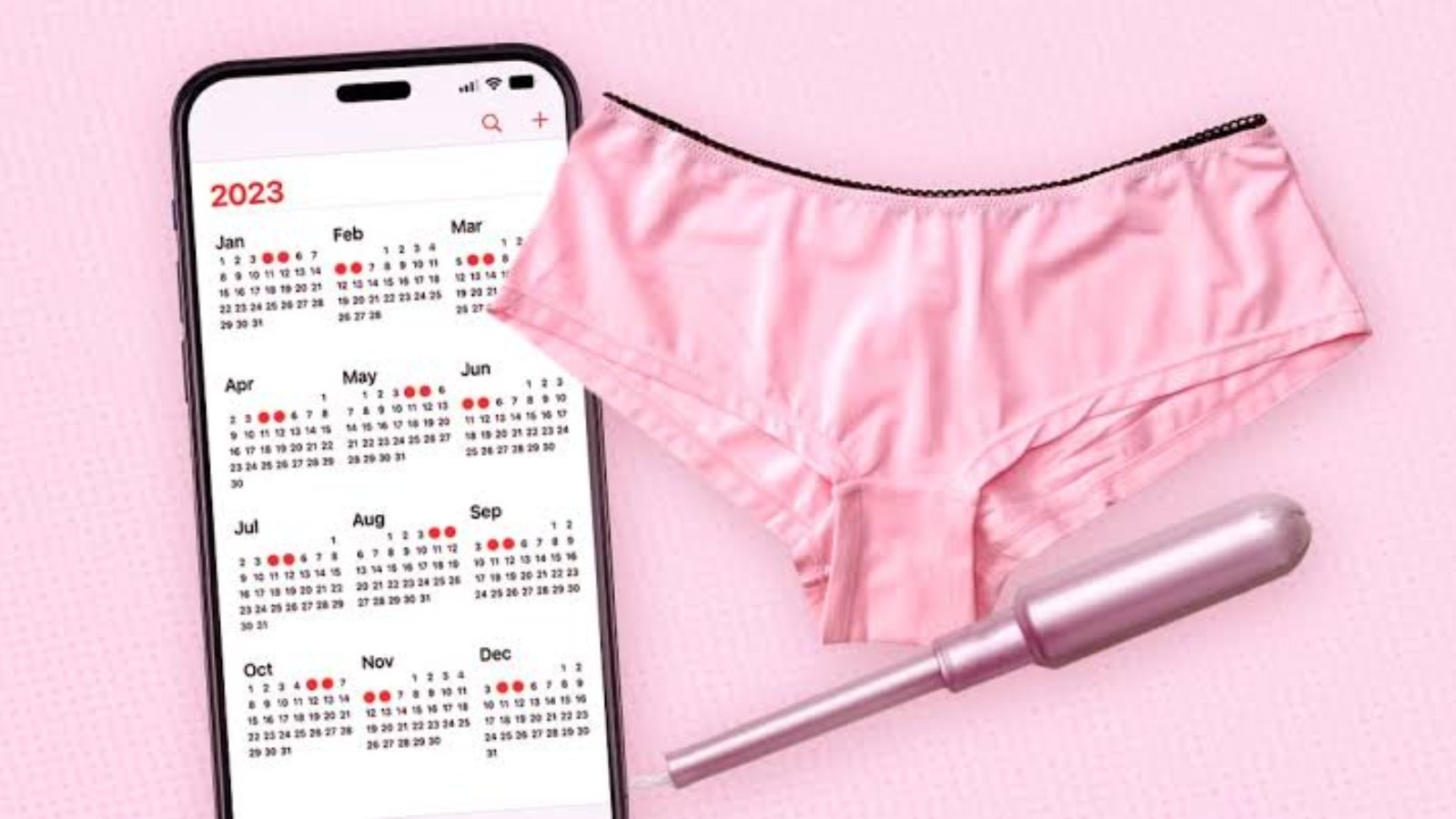
A menstrual period that lasts only two days can be normal for some women, especially when it follows their usual menstrual pattern. However, if your periods suddenly become shorter, lighter or irregular, it may be worth understanding the possible causes.
Women searching for periods lasting only 2 days often want to know whether a short period is normal, whether hormonal changes could be responsible and when they should consult a gynecologist.
At LaBella Cosgyn, women’s health education focuses on helping women understand changes in their menstrual cycle and recognise when professional medical advice may be needed.
What Does It Mean If Your Periods Last Only 2 Days?
A menstrual period lasting two days does not automatically indicate a health problem. Menstrual bleeding varies from person to person, and some women naturally experience shorter periods.
However, if your periods previously lasted four to six days and now last only one or two days, the change deserves attention, particularly if it occurs repeatedly or alongside other symptoms.
A short period may be associated with hormonal fluctuations, changes in contraception, stress, changes in body weight or pregnancy-related bleeding that is mistaken for a period.
Quick answer: Periods lasting only two days can be normal if this is your usual pattern. If your menstrual flow suddenly becomes shorter or lighter, your cycle becomes irregular or you experience other symptoms, consult a qualified gynecologist.
Is a 2-Day Period Normal?
Yes, a two-day period can be normal for some women. The duration and flow of menstrual bleeding vary between individuals and can change over time.
It is useful to consider three things:
Your usual menstrual pattern: A consistently short period may be normal for you.
Changes in menstrual flow: A sudden reduction in bleeding may need evaluation.
Other symptoms: Missed periods, pelvic pain, unusual discharge or symptoms suggesting pregnancy may require medical attention.
If you are concerned about periods lasting only two days, tracking your menstrual dates, flow and associated symptoms can help your gynecologist understand the pattern.

7 Possible Causes of Periods Lasting Only 2 Days
1. Natural Hormonal Variations
Hormonal fluctuations influence the menstrual cycle and the development of the uterine lining. Changes in these hormones can affect menstrual flow and duration.
Some women naturally have shorter periods without an underlying medical problem. The important factor is whether the pattern is consistent or represents a new change.
2. Stress and Lifestyle Changes
Significant stress, disrupted sleep, intensive exercise and substantial changes in eating habits can affect the hormones involved in menstruation.
These factors may contribute to changes in cycle timing, menstrual flow or missed periods.
If your periods have become shorter during a stressful period, consider discussing persistent changes with a healthcare professional rather than assuming stress is the only cause.
3. Changes in Body Weight
Significant weight loss or weight gain can affect hormonal regulation and menstrual patterns.
Inadequate nutritional intake can also interfere with normal reproductive hormone function. If short periods occur alongside fatigue, unexplained weight changes or missed cycles, a medical assessment may help identify the cause.
4. Hormonal Contraception
Hormonal contraceptives, including certain pills, hormonal intrauterine devices and injections, can change the amount and duration of menstrual bleeding.
Some women experience lighter or shorter periods, while others may have irregular bleeding or no bleeding.
If you have recently started, stopped or changed contraception, discuss any concerns with your healthcare provider.
5. Thyroid or Other Hormonal Conditions
Thyroid disorders and other hormonal conditions can affect menstrual regularity and bleeding patterns.
Symptoms such as persistent fatigue, unexplained weight changes, heat or cold intolerance, or repeated irregular periods may help guide further evaluation.
A short period alone cannot diagnose a thyroid disorder or another hormonal condition.
6. Polycystic Ovary Syndrome (PCOS)
Polycystic ovary syndrome, commonly called PCOS, can affect ovulation and menstrual regularity. Some women with PCOS experience infrequent periods or prolonged gaps between periods.
PCOS does not automatically mean that every period will be short or light. Diagnosis requires appropriate clinical assessment rather than relying on menstrual duration alone.
If your periods are frequently irregular, consider consulting a gynecologist to discuss whether PCOS or another cause needs investigation.
7. Pregnancy-Related Bleeding
Light bleeding or spotting in early pregnancy may sometimes be mistaken for a short menstrual period.
A two-day bleed cannot confirm or rule out pregnancy. If pregnancy is possible, take a pregnancy test according to its instructions and seek medical advice when appropriate.
If you experience severe abdominal pain, fainting, shoulder-tip pain or heavy bleeding and pregnancy is possible, seek urgent medical assessment.
Can a 2-Day Period Mean Pregnancy?
A period lasting only two days does not necessarily mean pregnancy. Some women experience lighter bleeding for reasons unrelated to pregnancy, while pregnancy-related bleeding may occasionally be confused with a period.
If you have had sex that could result in pregnancy and your bleeding is unusually light or your period is late, consider taking a home pregnancy test.
If the result is negative but your period remains absent, repeat testing according to the test instructions or consult a healthcare professional.
Do not use the duration or colour of bleeding alone to determine whether you are pregnant.
Periods Lasting Only 2 Days: When Should You See a Gynecologist?
Consider arranging a gynecological consultation if:
Your periods suddenly become much shorter or lighter than usual.
Your menstrual cycle becomes repeatedly irregular.
You miss periods or experience long gaps between cycles.
You have persistent pelvic pain or unusual bleeding between periods.
You experience symptoms that may suggest a hormonal or thyroid problem.
You have concerns about possible pregnancy.
Seek urgent medical care for severe abdominal or pelvic pain, fainting or heavy bleeding, especially if pregnancy is possible.
A gynecologist can review your menstrual history, medications, symptoms and relevant medical background to determine whether further examination or tests are appropriate.
How Is the Cause of a Short Period Diagnosed?
The evaluation depends on your symptoms, age, menstrual history and the possibility of pregnancy.
A gynecologist may ask about:
The usual length and regularity of your menstrual cycle.
Changes in menstrual flow and the date of your last period.
Contraceptive use and other medications.
Stress, nutritional intake and significant weight changes.
Symptoms such as pelvic pain, acne, unusual hair growth or fatigue.
Depending on the findings, your clinician may recommend a pregnancy test, selected blood tests or an ultrasound examination. Not every woman with a two-day period requires all these investigations.
The aim is to identify the cause of a persistent or concerning change rather than treating menstrual duration alone.
Can Periods Lasting Only 2 Days Be Treated?

Treatment depends on the underlying cause, not simply on the number of days you bleed.
If a short period is your normal pattern and there are no concerning symptoms, treatment may not be necessary.
If an underlying condition is identified, your healthcare provider can explain suitable options. These may involve addressing a hormonal condition, reviewing contraception, managing a thyroid disorder or investigating other causes of menstrual changes.
Avoid taking hormonal medicines or supplements to increase menstrual bleeding without appropriate medical advice.
Frequently Asked Questions About Periods Lasting Only 2 Days
Is a 2-day period normal for unmarried women?
Yes. Marital status does not determine menstrual duration. A two-day period may be normal for any woman, although a new or persistent change in menstrual flow should be assessed when appropriate.
Can periods last only 2 days because of stress?
Stress can affect the hormones involved in menstruation and may contribute to changes in cycle timing or flow. However, stress is not the only possible explanation for a short period.
Does a 2-day period mean I have PCOS?
No. A short period alone does not diagnose PCOS. Repeatedly irregular or infrequent periods, together with other clinical findings, may warrant an assessment for PCOS or other hormonal conditions.
Can a short period affect fertility?
A short period does not automatically indicate reduced fertility. Menstrual bleeding duration alone cannot establish whether ovulation is occurring normally or whether someone can conceive.
If you have irregular cycles or concerns about fertility, discuss them with a gynecologist.
Should I worry if my period suddenly becomes lighter?
A single lighter period may occur for several reasons. If the change persists, your periods become irregular or pregnancy is possible, consider testing and seeking medical advice.
When should I take a pregnancy test after a short period?
If your period is late or pregnancy is possible, follow the home pregnancy test instructions. Testing from the first day of a missed period is generally appropriate; if you do not know when your period is due, NHS guidance recommends testing at least 21 days after unprotected sex.
Which doctor should I consult for short or irregular periods?
A qualified gynecologist can assess persistent changes in menstrual duration, flow and cycle regularity and advise whether further investigation is needed.
Consult LaBella Cosgyn for Women’s Health Guidance
Changes in menstrual duration can have several explanations, and the right next step depends on your usual cycle and any accompanying symptoms.
If you are concerned about periods lasting only two days, repeated irregular periods or other menstrual changes, consider arranging a consultation at LaBella Cosgyn in Chandigarh.
Discuss your symptoms with a qualified gynecologist to understand whether your menstrual pattern is within your usual range or requires further evaluation.
Book a consultation with LaBella Cosgyn to discuss your women’s health concerns and receive guidance appropriate to your needs.
Medical disclaimer: This article is for general educational purposes only and does not replace an individual medical consultation, diagnosis or treatment.
LEAVE A COMMENT