
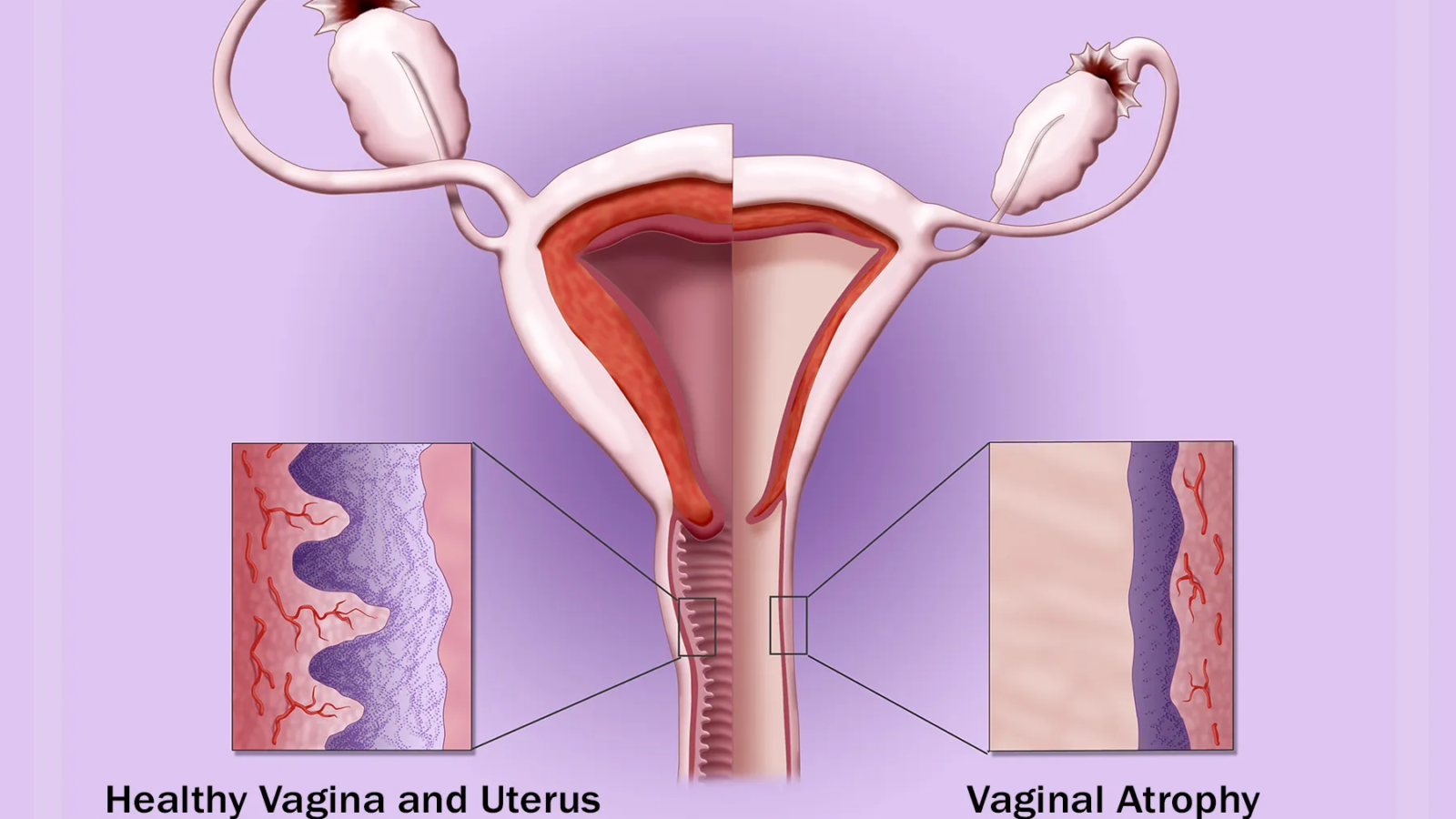
Vaginal dryness is a common concern that can affect women at different stages of life. It may cause irritation, itching, a burning sensation or discomfort during sexual activity. Although it is often associated with menopause, vaginal dryness can also occur after childbirth, during breastfeeding, because of certain medications or due to other health factors.
Understanding the possible cause is the first step towards finding an appropriate solution. Vaginal dryness is treatable in many cases, but the right approach depends on your symptoms, medical history and individual needs.
What Is Vaginal Dryness?
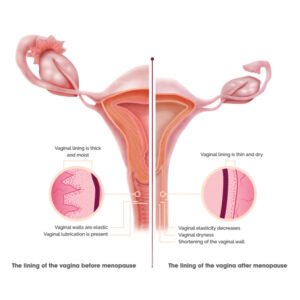
Vaginal dryness occurs when the vaginal tissues do not have enough natural moisture. Hormonal changes, particularly lower oestrogen levels, can reduce vaginal lubrication and affect the health of the vaginal lining.
Temporary dryness can also occur when the body has not produced enough natural lubrication during sexual arousal. Persistent symptoms, however, may have other causes and deserve medical attention.
Vaginal dryness is not a reflection of personal hygiene, femininity or sexual experience. It is a health concern that can affect women regardless of age or relationship status.
What Are the Common Symptoms of Vaginal Dryness?
Symptoms vary from person to person. Some women notice mild irritation, while others experience persistent discomfort.
Common symptoms may include:
Dryness or a feeling of tightness in the vaginal area
Itching, soreness or burning around the vagina or vulva
Discomfort or pain during sexual activity
Irritation when wearing underwear or during everyday activities
Light spotting or bleeding associated with irritation or sexual activity
Urinary symptoms in some cases, particularly when hormonal changes affect the surrounding tissues
These symptoms can have several possible causes. A medical assessment may be needed to distinguish vaginal dryness from infections, skin conditions or other concerns.
What Causes Vaginal Dryness?
1. Hormonal Changes During Menopause
Oestrogen helps maintain the thickness, elasticity and natural moisture of vaginal tissues. During perimenopause and menopause, oestrogen levels decline, which can contribute to persistent dryness and irritation.
Some women also experience urinary symptoms or discomfort during sexual activity. These changes may be part of genitourinary syndrome of menopause, which a healthcare professional can assess.
2. Vaginal Dryness After Childbirth
Hormonal changes following childbirth can temporarily affect vaginal moisture. Women who are breastfeeding may experience dryness because of changes in hormone levels during lactation.
If symptoms persist or cause significant discomfort, discuss them with a gynecologist rather than assuming they will resolve without support.
3. Breastfeeding
Breastfeeding can be associated with lower oestrogen levels, which may contribute to vaginal dryness. If dryness causes discomfort, a clinician can help identify suitable options while considering breastfeeding and your medical history.
4. Certain Medications
Some medicines, including certain hormonal contraceptives, antidepressants and allergy or cold medications, may contribute to dryness in some individuals.
Do not stop or change prescribed medication on your own. If symptoms begin after starting a medicine, discuss this with the prescribing clinician.
5. Irritating Hygiene Products
Perfumed washes, intimate deodorants, vaginal sprays and douching can irritate sensitive tissues and may worsen discomfort. The vagina does not need internal cleansing products to stay clean.
Gentle external washing and avoiding products that cause irritation can help protect the vulvar area.
6. Other Health Factors
Some health conditions and cancer treatments can affect vaginal moisture. Persistent dryness may also occur alongside other vulvar or vaginal conditions that require specific treatment.
A gynecologist can assess the symptoms and recommend appropriate investigations when necessary.
What Can Help Relieve Vaginal Dryness?
Treatment depends on the cause and severity of symptoms. Options may include the following.
Vaginal Moisturisers
Vaginal moisturisers are designed to help relieve ongoing dryness. They are different from lubricants and may be used regularly according to product instructions.
Choose products specifically designed for vaginal use, and stop using any product that causes irritation.
Lubricants
Lubricants can reduce friction and discomfort during sexual activity. Water-based and silicone-based products are commonly available. Choose a product suitable for your needs and check compatibility with condoms or other products being used.
Lubricants may help with discomfort but do not necessarily treat the underlying cause of persistent dryness.
Avoiding Irritants
Avoid douching, perfumed vaginal washes and deodorising products. Clean the external genital area gently and do not use ordinary body lotions or creams inside the vagina.
Medical Treatment
When dryness is related to hormonal changes, a clinician may discuss prescription treatments, including local vaginal oestrogen or other appropriate options. These treatments are not suitable for everyone, so individual medical advice is important.
If symptoms are caused by an infection, a skin condition or another health issue, the treatment will be different. Avoid self-medicating without understanding the cause.
Can Vaginal Dryness Be Treated Without Surgery?
Many cases of vaginal dryness can be managed with non-surgical measures, such as vaginal moisturisers, lubricants, avoiding irritants or clinician-recommended medication.
Surgery or cosmetic procedures are not the routine first-line solution for vaginal dryness. Some clinics offer energy-based or other procedures marketed for intimate wellness, but evidence of benefit and potential risks vary by treatment. Ask for reliable evidence, alternatives, limitations and possible complications before considering any procedure.
The most appropriate treatment is the one that addresses the underlying cause and suits your medical circumstances.
When Should You See a Gynecologist?
Consider making an appointment if:
Dryness persists for several weeks despite trying appropriate self-care.
It affects daily comfort or sexual activity.
You experience unusual discharge, persistent itching or burning.
You notice bleeding after sexual activity, between periods or after menopause.
Symptoms begin after a medication change or during breastfeeding and are difficult to manage.
Seek prompt medical assessment for severe pain, significant bleeding, fever or other symptoms that are concerning.
Vaginal Dryness: Frequently Asked Questions
Is vaginal dryness normal?
It is common, but persistent dryness or discomfort should not automatically be dismissed as normal. The cause and suitable treatment depend on your symptoms and medical history.
Can vaginal dryness occur in younger women?
Yes. It can occur at different ages, including during breastfeeding, because of certain medications, hormonal changes or inadequate lubrication during sexual activity.
Can vaginal dryness happen after childbirth?
Yes. Hormonal changes after childbirth and during breastfeeding may contribute to dryness. A healthcare professional can discuss appropriate options, especially if symptoms persist.
Does vaginal dryness mean there is an infection?
Not necessarily. Dryness can occur without an infection, but itching, burning, unusual discharge or an unpleasant odour may indicate another condition. An assessment can help determine the cause.
Which treatment is best for vaginal dryness?
There is no single treatment that is best for everyone. Moisturisers, lubricants, prescription treatments and other measures may be appropriate depending on the cause. Consult a qualified healthcare professional for personalised guidance.
Speak to a Gynecologist About Persistent Vaginal Dryness
If vaginal dryness is affecting your comfort or quality of life, a consultation can help identify possible causes and explain suitable treatment options.
LaBella CosGyn in Dhakoli, Zirakpur, welcomes enquiries from women in Chandigarh, Mohali and Panchkula who wish to discuss intimate wellness concerns with Dr. Nitasha Gupta.
Contact the clinic to enquire about an appointment and discuss your symptoms, medical history and appropriate next steps.
Medical disclaimer: This article is for general educational purposes and does not replace a medical consultation. Have a qualified clinician review the content before publication.
LEAVE A COMMENT