
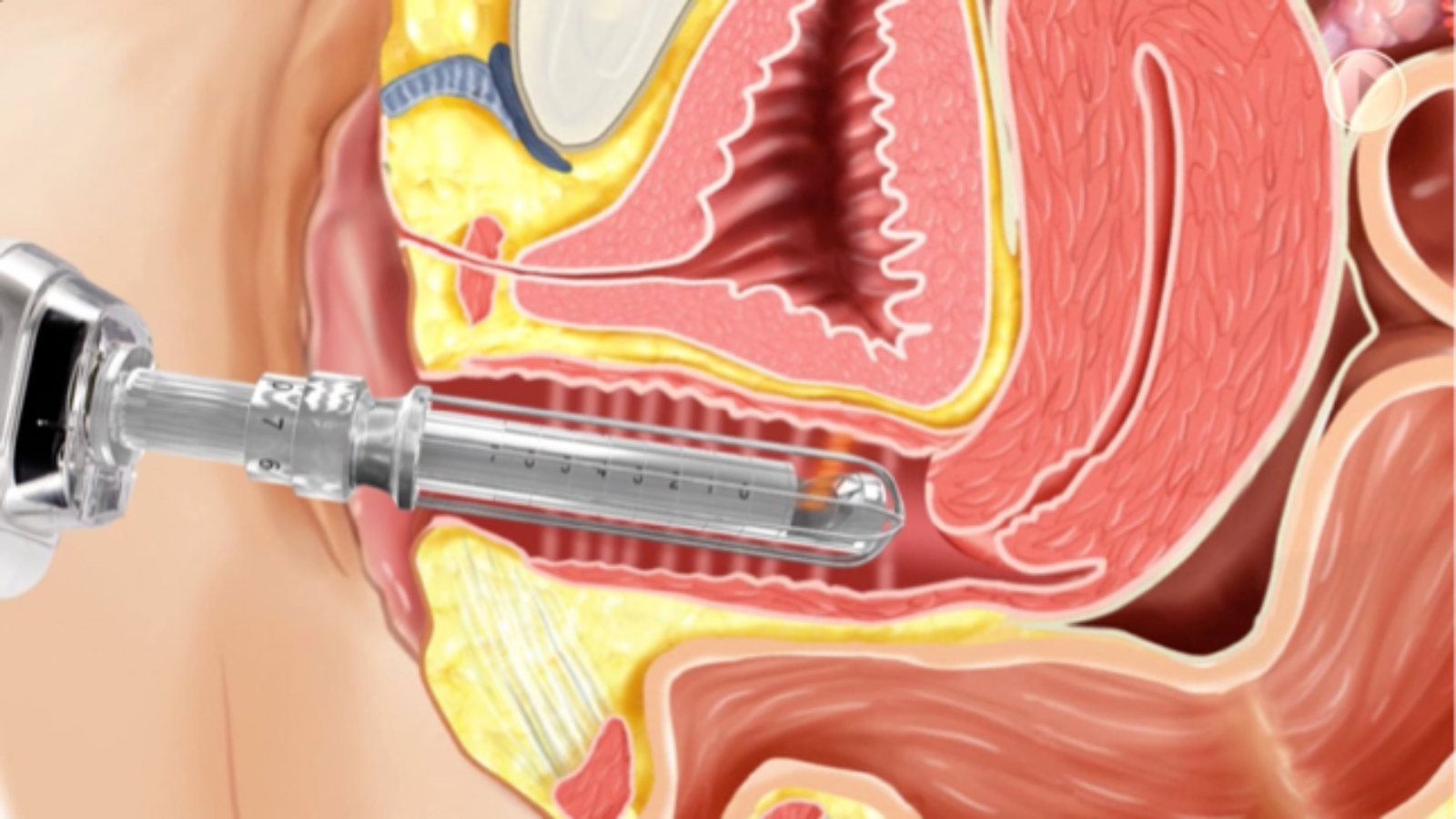
Why Non-Surgical Vaginal Tightening Is Trending in 2026
Non-surgical vaginal tightening is frequently discussed on Instagram, YouTube, and search engines. Online videos may promise instant tightening, zero downtime, permanent results, or major improvements after one session.
However, social media often leaves out important medical questions:
What problem is the treatment actually intended to address?
Is the concern caused by vaginal laxity, pelvic-floor dysfunction, hormonal changes, or another condition?
Is the treatment supported by reliable evidence?
How many sessions may be needed?
What side effects are possible?
Is the treatment appropriate for the individual patient?
What alternatives are available?
Non-surgical does not automatically mean risk-free, proven, or suitable for everyone.
At LaBella CosGyn, treatment decisions should begin with a confidential medical evaluation rather than an online trend or promotional claim.
What Does “Vaginal Tightening” Actually Mean?
The phrase vaginal tightening is used broadly in marketing and may refer to different treatments, including:
Energy-based procedures.
Radiofrequency treatments.
Laser-based treatments.
Injectable procedures.
Pelvic-floor therapy.
Surgical procedures.
Treatments for specific medical conditions.
The term may also be used to describe different concerns, such as:
A sensation of vaginal laxity.
Changes after childbirth.
Pelvic-floor weakness.
Reduced sexual comfort.
Vaginal dryness.
Changes related to menopause.
Concerns about intimate appearance.
These concerns do not always have the same cause and should not automatically be treated in the same way.
A proper assessment is necessary before deciding whether any tightening treatment is appropriate.
What Social Media Often Gets Wrong
“One Session Is Always Enough”
One session may be sufficient for some treatments or patients, while others may be advised to have multiple sessions. The number depends on:
The exact procedure.
The device or product used.
The medical concern.
The patient’s symptoms.
The treatment protocol.
The response to earlier sessions.
There is no universal session schedule that applies to every woman.
“No Downtime Means No Aftercare”
Even when a treatment involves little scheduled downtime, patients may still need to:
Avoid sexual activity temporarily.
Avoid strenuous exercise.
Follow hygiene instructions.
Avoid certain products.
Attend follow-up appointments.
Report unusual symptoms.
Aftercare depends on the exact treatment.
“Tightening Treats Every Intimate Concern”
Vaginal laxity, dryness, pain, urinary leakage, reduced desire, and reduced sensitivity can have different causes.
A tightening procedure may not address the underlying cause of a patient’s symptoms. For example, pain during intimacy may be related to dryness, infection, pelvic-floor muscle problems, hormonal changes, or another condition.
“Non-Surgical Means Completely Safe”
Non-surgical procedures can still cause side effects and complications. Energy-based treatments, particularly when used for unestablished vaginal rejuvenation purposes, have been associated with reports of burns, scarring, pain, and other injuries. The FDA has also reported serious complications with certain uses of radiofrequency microneedling devices, including burns, scarring, nerve damage, and the need for medical intervention.
How Non-Surgical Vaginal Treatments Work
Some non-surgical treatments use energy, such as radiofrequency or laser energy, to heat or affect tissue.
Depending on the device and treatment method, the intended effect may involve changes in tissue structure, collagen remodeling, or temporary symptom improvement.
However:
Different devices work differently.
Evidence varies between treatments.
Marketing claims may be broader than the available research.
Results are not guaranteed.
Some uses may not be established for the symptoms being treated.
Patients should ask for the exact device name, its intended purpose, supporting evidence, possible risks, and available alternatives.
Types of Non-Surgical Vaginal Treatments
1. FormaV and Radiofrequency Treatments
FormaV is a radiofrequency-based treatment marketed for intimate wellness concerns.
Depending on the treatment plan, it may be discussed for concerns such as:
Vaginal dryness.
Mild laxity.
Changes in tissue comfort.
Certain symptoms associated with hormonal changes.
Patients should understand that the expected result depends on the device, treatment protocol, individual symptoms, and clinical assessment.
Possible Treatment Experience
Patients may experience:
Warmth.
Mild discomfort.
Temporary sensitivity.
Mild swelling or irritation.
A need for short-term activity restrictions.
The number of sessions should be decided by the treating clinician. A fixed promise such as “three sessions for everyone” is not medically appropriate.
2. Morpheus8V and Radiofrequency Microneedling
Morpheus8V is marketed as a radiofrequency microneedling treatment for intimate tissue concerns.
Because radiofrequency microneedling involves needles and energy delivery, patients should receive clear information about:
The exact treatment area.
The depth and intensity of treatment.
Possible pain or sensitivity.
Risk of burns or tissue injury.
Risk of scarring.
Infection-control procedures.
Expected recovery.
Follow-up care.
The FDA has warned that certain uses of radiofrequency microneedling devices have been associated with serious complications, including burns, scarring, fat loss, disfigurement, nerve damage, and the need for medical intervention.
Patients should not assume that a branded device is automatically appropriate for every intimate concern.
3. Laser-Based Vaginal Treatments
Laser-based treatments are sometimes marketed for vaginal tightening, dryness, or rejuvenation.
Before considering a laser procedure, patients should ask:
What exact laser is being used?
What condition is it intended to treat?
Is the treatment supported by reliable evidence?
What are the possible complications?
What alternatives are available?
What happens if symptoms do not improve?
The term “laser vaginal rejuvenation” can cover different procedures and should not be treated as one standardized treatment.
Energy-based vaginal procedures have been associated with reports of complications such as burns, scarring, pain during sexual activity, and persistent pain.
4. Non-Surgical Labial Treatments
Some clinics market non-surgical treatments for labial appearance or tissue quality.
Patients should be cautious about claims involving:
Permanent tightening.
Instant reshaping.
Guaranteed symmetry.
Zero risk.
Permanent improvement in sexual function.
Normal vulvar anatomy varies considerably. If a patient has discomfort, irritation, or another symptom, the cause should be evaluated before any cosmetic treatment is considered.
5. Pelvic-Floor Therapy
Pelvic-floor therapy may be more appropriate than a tightening procedure for some women.
It may be considered for selected concerns involving:
Pelvic-floor weakness.
Urinary leakage.
Postpartum changes.
Pelvic discomfort.
Muscle coordination problems.
Pelvic-floor muscle tightness.
Treatment may include:
Pelvic-floor exercises.
Relaxation and breathing techniques.
Muscle coordination training.
Posture and movement guidance.
Bladder and bowel habit education.
Pelvic-floor therapy is not identical to cosmetic vaginal tightening. The correct approach depends on whether the pelvic-floor muscles are weak, overactive, painful, or functioning normally.
How Many Sessions Are Really Needed?
There is no single session schedule for all non-surgical vaginal treatments.
The number of sessions may depend on:
The exact device or treatment.
The patient’s symptoms.
The severity of the concern.
Previous procedures.
Hormonal status.
Tissue condition.
Response to earlier treatment.
The clinician’s assessment.
Some treatment protocols may involve more than one session, while others may not be recommended at all.
Patients should be cautious of claims such as:
“One session is enough for everyone.”
“Three sessions guarantee results.”
“Annual maintenance is always required.”
“The results are permanent.”
“You will definitely feel tighter.”
A responsible treatment plan should explain uncertainty and avoid guaranteed outcomes.
What Results Can You Realistically Expect?
Results vary significantly and may include:
No noticeable improvement.
Temporary improvement.
Partial improvement.
Improvement in a specific symptom but not another.
A need for additional treatment.
Side effects that outweigh the expected benefit.
A treatment marketed for dryness may not improve sexual desire. A treatment marketed for laxity may not treat urinary leakage. A procedure intended to alter tissue may not improve relationship concerns or sexual satisfaction.
The expected result must be linked to a clearly defined medical concern.
Who May Be Considered for Non-Surgical Vaginal Treatment?
A patient may be considered for treatment only after an appropriate assessment.
A consultation may be useful if you are experiencing:
Persistent intimate discomfort.
Changes after childbirth.
Vaginal dryness.
Symptoms related to menopause.
Mild laxity concerns.
Questions about pelvic-floor function.
Concerns about a previous procedure.
However, treatment may not be appropriate if the patient has:
Unexplained bleeding.
An untreated infection.
Persistent pelvic pain.
An undiagnosed gynecological condition.
Unrealistic expectations.
Pressure from a partner, family, or social media.
A condition better treated with medication, therapy, or another medical approach.
When May Other Treatment Options Be Better?
Non-surgical tightening may not be the most suitable option when:
There is significant structural damage.
A pelvic-floor disorder is suspected.
Symptoms are caused by hormonal changes.
There is an infection or skin condition.
Pain is the main concern.
Urinary symptoms require a separate evaluation.
The patient needs counseling or sexual health support.
Surgery may be medically indicated.
Depending on the concern, alternatives may include:
Pelvic-floor therapy.
Lubricants or moisturizers.
Prescription treatment.
Menopause care.
Treatment of infection or skin disease.
Sexual health counseling.
Reconstructive surgery when appropriate.
Observation and reassurance.
Is Non-Surgical Vaginal Tightening Safe?
Safety cannot be guaranteed for every device or patient.
Before treatment, patients should be told about possible risks, including:
Pain.
Burning.
Irritation.
Swelling.
Bleeding.
Infection.
Scarring.
Changes in sensation.
Pain during intimacy.
Persistent or worsening symptoms.
The possibility of needing additional treatment.
The treating clinician should also explain whether the device is authorized or cleared for the intended use in the relevant country.
A device being available in a clinic does not automatically establish that every advertised use is safe or effective.
Doctor-Led Advice vs Influencer Advice
Social media can help women discover information, but it cannot provide an individualized diagnosis.
Influencer content may not explain:
The patient’s medical history.
The exact device used.
The treatment settings.
The provider’s qualifications.
Complications.
Failed treatments.
Long-term outcomes.
Whether the treatment was medically necessary.
A doctor-led consultation should focus on:
The actual concern.
Differential diagnosis.
Evidence and limitations.
Risks and benefits.
Alternatives.
Recovery.
Follow-up care.
The patient’s right to decline treatment.
Questions to Ask Before Choosing Treatment
Before proceeding, ask:
What exact problem is this treatment intended to address?
Is my concern caused by vaginal laxity or another condition?
What device or product will be used?
What evidence supports this treatment?
Is the device authorized for this intended use?
What are the possible complications?
How many sessions may be needed?
What results are realistic?
How long might any improvement last?
What aftercare is required?
What alternatives are available?
What happens if the treatment does not work?
Who will manage complications?
Can I take time to decide?
Non-Surgical Vaginal Tightening in Zirakpur and Chandigarh
Women from Zirakpur, Dhakoli, Panchkula, Chandigarh, Mohali, and Dera Bassi can contact LaBella CosGyn for a confidential consultation about intimate health concerns.
A consultation may help you understand:
Whether your concern requires treatment.
Whether non-surgical care is appropriate.
Whether pelvic-floor therapy or medical treatment may be better.
What risks and limitations should be considered.
What recovery and follow-up may involve.
Learn More
Frequently Asked Questions
Is non-surgical vaginal tightening safe?
Safety depends on the exact treatment, device, provider, and patient. Some energy-based treatments have been associated with serious complications, so patients should discuss risks and evidence before proceeding.
Is one session enough?
Not always. The number of sessions depends on the exact treatment and the patient’s concern. Some patients may not be suitable candidates for treatment at all.
How long do results last?
The duration of any improvement varies and may be uncertain. Results should not be described as permanent unless reliable evidence supports that claim.
Is non-surgical vaginal tightening painful?
Some treatments may cause warmth, discomfort, sensitivity, swelling, or irritation. The experience depends on the exact device and treatment method.
Is there any downtime?
Some procedures may involve little scheduled downtime, but patients may still need to avoid sexual activity, exercise, or certain products temporarily.
Can vaginal tightening improve sexual pleasure?
There is no guarantee. Sexual function can be affected by pain, dryness, hormones, pelvic-floor problems, stress, medication, and relationship factors.
Can it treat vaginal dryness?
Vaginal dryness may require lubricants, moisturizers, hormonal care, or treatment of an underlying condition. A tightening procedure should not automatically be considered the first option.
Can it treat urinary leakage?
Urinary leakage should be evaluated separately. Pelvic-floor therapy and other medical treatments may be more appropriate depending on the cause.
Is laser vaginal rejuvenation proven?
Evidence varies by device and indication. Patients should ask what specific condition the laser is intended to treat and what reliable evidence supports its use.
Is radiofrequency microneedling risk-free?
No. Certain uses of radiofrequency microneedling devices have been associated with burns, scarring, nerve damage, and other serious complications.
Who is a good candidate?
A suitable candidate can only be identified after a medical assessment. The patient should have a clearly understood concern, realistic expectations, and no untreated condition that requires another form of care.
Should I choose treatment because of social media?
No. Social media content is not a substitute for a medical evaluation. Treatment should be based on your own symptoms, goals, risks, and available evidence.
Final Thoughts
Non-surgical vaginal tightening is widely promoted online, but social media often simplifies complex medical decisions.
The number of sessions, expected results, recovery, and safety profile depend on the exact treatment and the individual patient. No responsible clinic should promise guaranteed tightening, permanent results, zero risk, or improved sexual satisfaction for everyone.
Before choosing treatment, seek a proper evaluation and ask about:
The actual cause of your concern.
The purpose of the procedure.
Evidence and limitations.
Possible complications.
Alternative treatments.
Recovery and follow-up.
What happens if the treatment does not work.
At LaBella CosGyn, patients can discuss their concerns confidentially and make an informed decision based on individualized medical guidance.
Call or WhatsApp: 099883 09211
Clinic Address: SCO 35, With Yes Bank, Shri Balaji Complex, Opp. Domino’s, Dhakoli, Zirakpur, Punjab
Contact LaBella CosGyn: https://labellacosgyn.com/contact-us/
Google Reviews: https://share.google/v38JImdutTt2sFez8
LEAVE A COMMENT