
Is Cosmetic Gynecology Safe in 2026 Risks, Benefits, Side Effects & Expert Medical Guidance

Is Cosmetic Gynecology Safe in 2026? Risks, Benefits, Side Effects & Expert Medical Guidance

Is Cosmetic Gynecology Safe in 2026? Risks, Benefits, Side Effects & Expert Medical Guidance

Cosmetic gynecology is increasingly discussed across health platforms, social media, and search engines. As awareness grows, one question dominates: Is cosmetic gynecology safe?

In 2026, cosmetic gynecology is considered safe when it is medically guided, ethically practiced, and based on evidence-based care. Safety does not depend on trends or marketing—it depends on proper consultation, realistic expectations, qualified medical oversight, and patient-first decision-making.

At LaBella, cosmetic gynecology begins with education and clarity, not procedures or pressure.


What Is Cosmetic Gynecology?

Cosmetic gynecology is a specialized area of women’s healthcare focused on intimate wellness, comfort, function, and confidence. It addresses physical and functional changes that may occur due to:

  • Childbirth

  • Hormonal shifts

  • Aging

  • Lifestyle or body changes

Unlike general gynecology, cosmetic gynecology focuses on quality-of-life concerns, not disease treatment alone.

Importantly, ethical cosmetic gynecology prioritizes comfort and function first, with aesthetics considered only when medically appropriate.


Why Safety Is the Biggest Concern in Cosmetic Gynecology

Because cosmetic gynecology involves intimate health, women naturally have concerns about:

  • Medical risks

  • Side effects

  • Long-term safety

  • Emotional well-being

  • Ethical medical practice

These concerns are valid. Cosmetic gynecology should never be approached casually. In responsible clinical settings, not every concern leads to a treatment, and in many cases, reassurance or education is the safest outcome.


Is Cosmetic Gynecology Safe According to Doctors?

Medical professionals emphasize that cosmetic gynecology is safe when it follows strict medical standards and is guided by trained clinicians.

Reputable guidance aligns with global women’s health organizations such as the
World Health Organization, the
American College of Obstetricians and Gynecologists, and the
National Institutes of Health.

These bodies stress:

  • Individual medical evaluation

  • Informed consent

  • Clear discussion of risks and limitations

  • Avoidance of unnecessary procedures

Safety concerns usually arise when cosmetic gynecology is marketed aggressively without medical consultation.


What Makes Cosmetic Gynecology Safe?

H3: Medically Guided Consultation

Safety begins with a thorough consultation, which includes:

  • Medical history review

  • Hormonal and reproductive considerations

  • Lifestyle and comfort concerns

  • Discussion of expectations

A consultation may conclude that no treatment is needed, which is a sign of ethical care.


Evidence-Based Techniques

Safe cosmetic gynecology relies on:

  • Clinically studied methods

  • Conservative treatment planning

  • Clear explanation of benefits and limitations

Procedures should never be presented as guarantees or quick fixes.


Qualified Medical Oversight

Cosmetic gynecology treatments should always involve:

  • Gynecological expertise

  • Medical accountability

  • Transparent communication

At LaBella, treatment planning is supported by experienced medical professionals, including guidance associated with Dr. Nitasha Gupta’s clinical background in women’s health.
https://www.drnitashagupta.com/


What Are the Risks and Side Effects of Cosmetic Gynecology?

All medical procedures carry some level of risk. When cosmetic gynecology is responsibly planned, side effects are usually temporary and manageable, but may include:

  • Mild discomfort or sensitivity

  • Temporary swelling

  • Short recovery or adjustment periods

Why Transparency About Side Effects Matters

A trustworthy clinic will always explain:

  • Expected recovery time

  • Normal vs abnormal symptoms

  • Situations where treatment should be avoided

Clinics that avoid discussing risks or side effects openly should be approached with caution.


Is Cosmetic Gynecology Safe in India?

Cosmetic gynecology in India operates within the broader framework of medical ethics and gynecological practice. While regulation may vary, responsible clinics follow international safety principles, including:

  • Informed patient consent

  • Evidence-based care

  • Ethical communication

  • Privacy and dignity

Women should be cautious of:

  • Overpromising results

  • Discount-driven marketing

  • Lack of proper consultation

Safety is defined by medical integrity, not popularity.


How to Choose a Safe Cosmetic Gynecology Clinic

Before choosing a clinic, women should ask:

  • Is a qualified gynecology professional involved?

  • Are consultations educational and pressure-free?

  • Are risks and alternatives explained clearly?

  • Is privacy and emotional comfort prioritized?

At LaBella, cosmetic gynecology is designed around patient-first, medically guided care, not sales-driven decisions.

Learn more about LaBella: https://labellacosgyn.com/about
Explore treatments: https://labellacosgyn.com/treatments


Who Should Avoid Cosmetic Gynecology?

Cosmetic gynecology may not be appropriate for everyone.

H3: Situations Where Treatment May Be Avoided

  • When medical conditions require alternative care

  • When expectations are unrealistic

  • When reassurance or counseling is more appropriate than treatment

A responsible consultation will never push a procedure.


Thinking About Cosmetic Gynecology? Start With a Consultation

Cosmetic gynecology should never begin with a procedure. It should begin with a conversation.

At LaBella, consultations are:

  • Private and confidential

  • Judgment-free

  • Medically guided

  • Focused on long-term well-being

Book a confidential consultation:
https://labellacosgyn.com/contact-us/


Frequently Asked Questions About Cosmetic Gynecology Safety

Is cosmetic gynecology safe for all women?

Cosmetic gynecology may be safe for some women after proper medical evaluation. It is not automatically recommended for everyone.

Are cosmetic gynecology treatments approved?

Some technologies are approved for specific medical uses. A qualified clinician explains approved indications during consultation.

Is cosmetic gynecology painful?

Discomfort varies depending on the treatment. Many approaches prioritize comfort and conservative planning.

Can cosmetic gynecology affect future health or pregnancy?

When responsibly planned, treatments should not interfere with long-term health. This should always be discussed individually.

How do I know if a cosmetic gynecology clinic is trustworthy?

Look for medical transparency, ethical communication, and pressure-free consultations.


Final Thoughts – Cosmetic Gynecology Safety in 2026

In 2026, cosmetic gynecology is safest when it is not rushed, not marketed aggressively, and not treated as a trend. Instead, it should be approached as an optional, ethical extension of women’s healthcare, guided by medical expertise and personal choice.

At LaBella, safety means listening first, educating clearly, and recommending responsibly.

Who Is Cosmetic Gynecology For in 2026? Age, Eligibility, Myths & Medical Reality

Who Is Cosmetic Gynecology For in 2026? Age, Eligibility, Myths & Medical Reality

One of the most searched questions after “What is cosmetic gynecology?” and “Is cosmetic gynecology safe?” is:

Who is cosmetic gynecology actually for?

In 2026, cosmetic gynecology is best understood not as a beauty trend, but as a medically guided, patient-specific option for women experiencing intimate comfort, functional, or confidence-related concerns. Eligibility is never assumed. Instead, it is determined through careful medical evaluation, education, and informed decision-making.

At LaBella, cosmetic gynecology always begins with understanding — not assumptions or pressure.


What Does “Eligibility” Mean in Cosmetic Gynecology?

Eligibility in cosmetic gynecology does not mean that every woman needs or should undergo treatment. Instead, eligibility refers to whether a woman may benefit from a medical consultation to discuss her concerns and available options.

Medical Eligibility Is Based On

  • Individual symptoms or discomfort

  • Impact on daily life or well-being

  • Medical history and hormonal factors

  • Realistic expectations and personal goals

In many cases, the most appropriate outcome is reassurance, education, or lifestyle guidance, not a procedure.


Is Cosmetic Gynecology Only for Younger Women?

No. This is one of the most common myths driving search queries like “Is cosmetic gynecology only for young women?” or “Cosmetic gynecology age limit.”

Cosmetic Gynecology Is Not Defined by Age

Women across different life stages may seek consultation, including:

  • Women after childbirth

  • Women experiencing hormonal changes

  • Women noticing age-related tissue changes

  • Women with long-standing intimate discomfort

Age alone does not determine whether cosmetic gynecology is appropriate. Medical context always matters more.


Common Reasons Women Explore Cosmetic Gynecology

Women may seek information or consultation for many reasons, such as:

  • Discomfort during daily movement or exercise

  • Sensitivity or irritation with clothing

  • Changes after pregnancy or delivery

  • Hormonal or menopausal changes

  • Questions about intimate wellness options

Importantly, seeking information does not mean committing to treatment. Education is a valid and often complete outcome.


Who Is Cosmetic Gynecology NOT For?

Cosmetic gynecology may not be appropriate in every situation.

Situations Where Treatment May Be Avoided

  • When medical conditions require alternative care

  • When expectations are unrealistic

  • When emotional reassurance is more appropriate than intervention

  • When concerns can be addressed non-medically

A responsible clinic will never recommend treatment unnecessarily.


Myths About Cosmetic Gynecology (And the Medical Reality)

Myth 1 – Cosmetic gynecology is only about appearance

Medical reality:
Modern cosmetic gynecology prioritizes comfort and function first, with aesthetics discussed only when medically appropriate.


Myth 2 – Cosmetic gynecology is unsafe or experimental

Medical reality:
When guided by qualified professionals and evidence-based protocols, cosmetic gynecology can be a safe extension of women’s healthcare.

Guidance aligns with principles supported by organizations such as the
World Health Organization,
American College of Obstetricians and Gynecologists, and
National Institutes of Health.


Myth 3 – Every consultation leads to a procedure

Medical reality:
Many consultations end with reassurance, education, or monitoring — not treatment.


How Doctors Determine Eligibility for Cosmetic Gynecology

Step 1 – Detailed Medical Consultation

A consultation includes:

  • Medical and reproductive history

  • Discussion of symptoms and concerns

  • Evaluation of lifestyle and comfort issues

  • Open discussion of expectations


Step 2 – Education Before Recommendation

Women are educated about:

  • What cosmetic gynecology can help with

  • What it cannot change

  • Potential risks and limitations

  • Non-procedural alternatives


Step 3 – Ethical Medical Guidance

Only when appropriate are treatment options discussed. This approach reflects ethical, patient-first care.

At LaBella, consultations are supported by experienced medical professionals, including guidance associated with Dr. Nitasha Gupta’s clinical background in women’s health.
https://www.drnitashagupta.com/


Is Cosmetic Gynecology Appropriate After Childbirth?

After childbirth, some women experience physical or functional changes that affect comfort or confidence.

Important Considerations After Childbirth

  • Healing timelines

  • Hormonal balance

  • Individual recovery differences

  • Emotional well-being

A consultation helps determine whether cosmetic gynecology is appropriate now, later, or not at all.


Is Cosmetic Gynecology Right for You?

The most accurate answer comes from a private, medically guided consultation — not online assumptions or comparisons.

At LaBella, consultations are:

  • Confidential and judgment-free

  • Focused on safety and education

  • Guided by medical ethics

  • Tailored to individual needs

Learn about LaBella: https://labellacosgyn.com/about
Explore treatments: https://labellacosgyn.com/treatments
Book a consultation: https://labellacosgyn.com/contact-us/


Frequently Asked Questions About Cosmetic Gynecology Eligibility

Who is cosmetic gynecology for?

Cosmetic gynecology may be considered by women experiencing intimate comfort, functional, or confidence-related concerns after medical evaluation.

Is there an age limit for cosmetic gynecology?

There is no fixed age limit. Eligibility depends on medical context, not age alone.

Do I need to undergo treatment if I book a consultation?

No. Many consultations focus on education or reassurance without any treatment.

Is cosmetic gynecology only for cosmetic reasons?

No. Modern cosmetic gynecology prioritizes comfort, function, and quality of life.

How do I know if a clinic is ethical?

Look for pressure-free consultations, medical transparency, and qualified gynecology oversight.


Final Thoughts – Eligibility Matters More Than Trends

In 2026, cosmetic gynecology is most appropriate when it is not driven by trends, marketing, or comparison, but by thoughtful medical guidance and personal comfort goals.

At LaBella, eligibility means listening first, educating clearly, and recommending responsibly — always with safety, dignity, and long-term well-being in mind.

Non-Surgical Vaginal Tightening in 2026: Real Results, Sessions Needed & What Social Media Doesn’t Tell You

Non-Surgical Vaginal Tightening in 2026: Real Results, Sessions Needed & What Social Media Doesn’t Tell You

Why Non-Surgical Vaginal Tightening Is Trending Everywhere in 2026

Non-surgical vaginal tightening has become one of the most talked-about intimate wellness topics on Instagram, YouTube Shorts, and Google searches in 2026. Short videos promise instant tightening, zero downtime, and life-changing results — often in under 60 seconds.

What social media rarely explains is how these treatments actually work, who benefits, and what realistic results look like when performed under medical supervision.

At Dr. Nitasha Gupta, non-surgical vaginal tightening is approached as medical care, not a beauty trend, at LaBella Cosgyn.


What Social Media Gets Wrong About Vaginal Tightening Treatments

H3: “One Session Is Enough” — Not Always True

Most non-surgical vaginal tightening treatments work by stimulating collagen and improving tissue tone. Collagen remodeling is gradual, which means multiple sessions are often required for optimal results.

“No Downtime Means No Aftercare” — Incorrect

While downtime is minimal, patients are still advised to follow medical aftercare guidelines, including short activity restrictions depending on the treatment.

“It’s Only for Aesthetic Reasons” — A Myth

Many women seek non-surgical vaginal tightening for dryness, mild laxity, post-childbirth changes, or comfort issues, not appearance alone.


How Non-Surgical Vaginal Tightening Actually Works

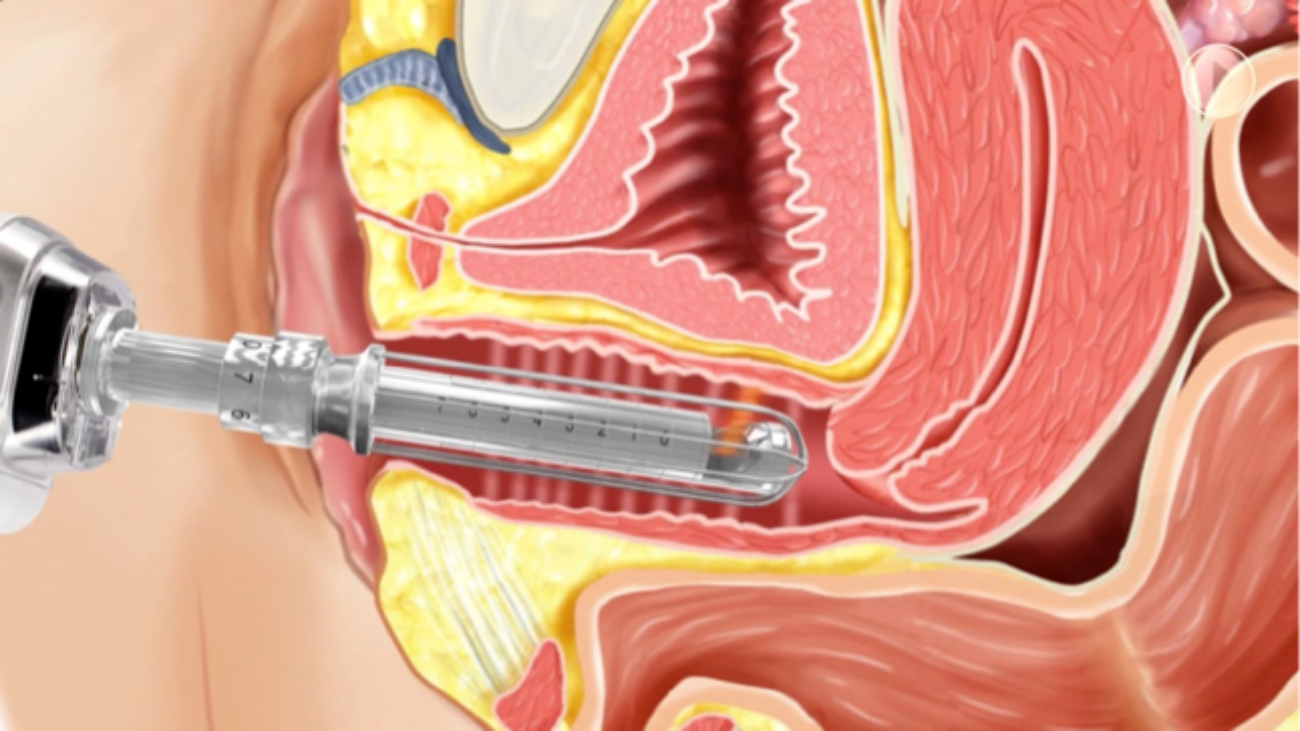
Non-surgical vaginal tightening uses energy-based medical technologies to gently heat vaginal tissues, stimulating collagen production and improving elasticity.

These treatments do not involve surgery, stitches, or anesthesia, making them suitable for women seeking conservative options.


Types of Non-Surgical Vaginal Tightening Treatments

FormaV — Radiofrequency Vaginal Tightening

FormaV uses controlled radiofrequency energy to improve vaginal tone, elasticity, and moisture levels. It is commonly chosen by women experiencing mild laxity or dryness.

Sessions needed: Usually 3–4
Downtime: Minimal to none


Morpheus8V — Microneedling with Radiofrequency

Morpheus8V combines microneedling and radiofrequency to stimulate deeper collagen remodeling. It is often recommended for moderate tissue laxity and rejuvenation.

Sessions needed: 1–3 depending on concern
Downtime: Mild, short-term sensitivity


Nonsurgical Labiaplasty & Regenerative Options

Some non-surgical treatments focus on labial tightening and tissue quality improvement using advanced medical technology or regenerative therapies under gynecologic care.


How Many Sessions Are Really Needed?

The number of sessions depends on:

  • Degree of laxity
  • Age and tissue quality
  • Childbirth history
  • Treatment type

General Medical Guidance

  • Mild concerns: 1–2 sessions
  • Moderate concerns: 3 sessions
  • Maintenance: Once yearly (if advised)

A consultation is essential to avoid over- or under-treatment.


Who Is a Good Candidate for Non-Surgical Vaginal Tightening?

You May Be a Good Candidate If:

  • You experience mild vaginal laxity
  • You have dryness or reduced comfort
  • You want improvement without surgery
  • You prefer minimal downtime

You May Need Other Options If:

  • Laxity is severe
  • Structural repair is required
  • Symptoms affect daily function significantly

In such cases, surgical options may be discussed only after evaluation.


Is Non-Surgical Vaginal Tightening Safe?

When performed by a qualified gynecologist using approved technology, non-surgical vaginal tightening is considered safe and well-tolerated.

At LaBella Cosgyn:

  • Treatments are doctor-guided
  • Energy levels are medically controlled
  • Risks, benefits, and limitations are explained clearly

Doctor-Led Advice vs Influencer Advice — Why It Matters

Social media spreads awareness, but medical decisions should never be influencer-led.
A doctor-led approach ensures:

  • Correct diagnosis
  • Appropriate technology selection
  • Ethical treatment planning
  • Long-term safety

This distinction is critical in intimate wellness care.


Non-Surgical Vaginal Tightening in Zirakpur & Chandigarh Region

Women from Zirakpur, Dhakoli, Panchkula, Chandigarh, Mohali, and Dera Bassi consult LaBella Cosgyn for safe, confidential, and medically guided non-surgical vaginal tightening treatments.

Learn more:


When Should You Book a Consultation?

You should consider a consultation if you:

  • Are confused by social media claims
  • Want realistic expectations
  • Prefer non-surgical options before surgery
  • Value doctor-guided care

Book a Private Consultation

Call / WhatsApp: 099883 09211
Clinic Address: SCO 35, With Yes Bank, Shri Balaji Complex, Opp. Domino’s, Dhakoli, Zirakpur, Punjab

https://labellacosgyn.com/contact-us/
Google Reviews: https://share.google/v38JImdutTt2sFez8

Celebrity Weddings in 2026: Why Intimate Wellness & Cosmetic Gynecology Are Part of the Modern Bridal Conversation

Celebrity Weddings in 2026: Why Intimate Wellness & Cosmetic Gynecology Are Part of the Modern Bridal Conversation

Celebrity Weddings Are Changing the Bridal Narrative in 2026

From intimate destination weddings in Bollywood to elegant courthouse ceremonies in Hollywood, celebrity marriages in 2026 are redefining what bridal preparation really means.

Today’s conversation is no longer limited to makeup, fitness, or designer outfits. Instead, there is a growing global focus on women’s health, comfort, confidence, and intimate wellness—a shift driven by open discussions from celebrities, doctors, and women themselves.

Importantly, this shift is medical, not cosmetic hype.


Bollywood & Hollywood Brides Are Talking About Wellness — Not Perfection

In recent years, actresses, models, and public figures from both Bollywood and Hollywood have openly spoken about:

  • Body comfort
  • Post-weight loss changes
  • Childbirth-related concerns
  • Sexual health and wellness
  • Personal confidence before marriage

This transparency has helped normalize conversations around cosmetic gynecology, not as a beauty trend, but as personal healthcare.

What’s notable: most celebrities do not disclose procedures, and ethical clinics never speculate. The focus is on choice and awareness, not assumptions.


What Is Cosmetic Gynecology — And Why Brides Are Searching for It?

Cosmetic gynecology is a medically supervised field focused on improving:

  • Physical comfort
  • Intimate function
  • Tissue changes due to age, weight loss, or childbirth
  • Personal confidence

For brides, especially those entering marriage later in life or after major body changes, these concerns are medical and functional, not vanity-driven.

Learn more about medically guided care here:
https://labellacosgyn.com/cosmetic-gynecology-india/


Common Bridal Concerns Doctors Hear (Not Media Myths)

Physical Discomfort, Not Appearance

Many women consult gynecologists for:

  • Discomfort in fitted clothing
  • Irritation during workouts
  • Sensitivity or dryness
  • Post-childbirth tissue changes

These are clinical issues, often addressed through conservative or non-surgical options.


Confidence Before a New Life Chapter

Marriage represents change. For some women, addressing long-standing intimate concerns brings:

  • Relief from discomfort
  • Improved body confidence
  • Better quality of life

This mirrors the broader wellness movement seen across celebrity culture.


Surgical vs Non-Surgical Options — What Modern Medicine Offers

H3: Non-Surgical Cosmetic Gynecology (First Choice for Many Brides)

  • Vaginal rejuvenation treatments
  • Energy-based tightening procedures
  • Regenerative therapies

These options involve minimal downtime, making them popular among working professionals and brides.

Explore treatments:
https://labellacosgyn.com/treatments/


Surgical Cosmetic Gynecology (When Medically Indicated)

Surgical options may be considered for:

  • Persistent discomfort
  • Structural concerns
  • Post-delivery tissue changes

These are always planned after medical evaluation and counseling, never rushed for weddings.


Celebrity Culture vs Medical Reality — An Important Difference

It’s crucial to separate:

  • Public inspiration from celebrity wellness conversations
  • Private medical decisions made by individuals

Ethical cosmetic gynecology:

  • Does not promise perfection
  • Does not copy celebrity bodies
  • Prioritizes safety, anatomy, and informed consent

This distinction protects both patients and practitioners.


Cosmetic Gynecology in India: A Growing, Responsible Field

In India, more women from cities like Zirakpur, Chandigarh, Panchkula, and Mohali are seeking information—not procedures—first.

At LaBella Cosgyn, consultations focus on:

  • Education before treatment
  • Conservative options first
  • Clear discussion of risks and benefits

Learn about the medical team here:
https://labellacosgyn.com/about/


Who Should Consider a Consultation — And Who Shouldn’t

You May Consider a Consultation If:

  • You experience ongoing physical discomfort
  • You have post-childbirth or weight-loss changes
  • You want medical clarity, not cosmetic pressure

You Should Not Feel Pressured If:

  • Your concern is based on comparison
  • You feel rushed due to marriage timelines
  • You are unsure or anxious

A good clinic encourages choice, not urgency.


Final Thought: The Real Trend Is Women Choosing Themselves

Celebrity weddings may spark conversations, but the real trend of 2026 is women choosing informed, ethical, doctor-led care—whether they proceed with treatment or not.

Cosmetic gynecology, when done right, is about health, comfort, and autonomy.


Book a Private, Confidential Consultation

Call / WhatsApp: 099883 09211
Clinic: SCO 35, With Yes Bank, Shri Balaji Complex, Opp. Domino’s, Dhakoli, Zirakpur, Punjab

https://labellacosgyn.com/contact-us/
Google Reviews: https://share.google/v38JImdutTt2sFez8